
Home Blog Page 387

Everything you need to know about the latest mushroom wellness trend taking over Toronto

0
Ash Edmonds/Unsplash

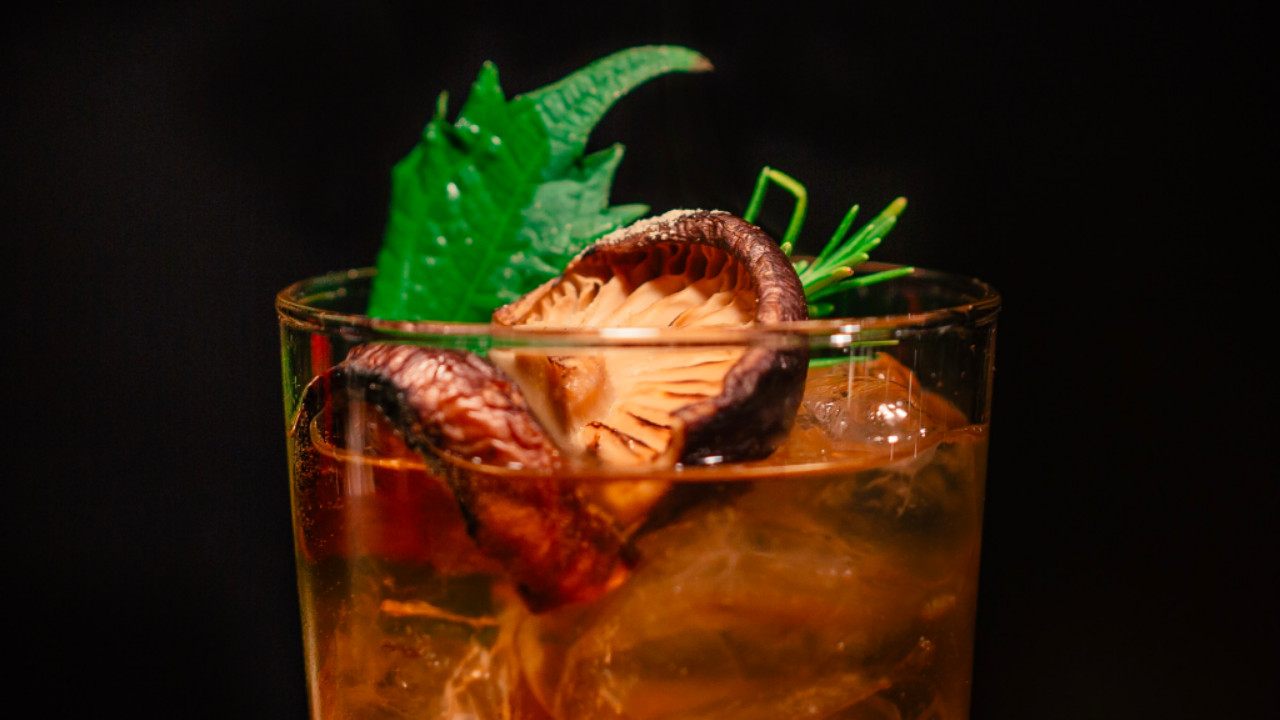
Over the last year or so, if you happen to be a little bit of a wellness nerd, you’ll have noticed a new love for mushrooms. And not the psychedelic or edible kind, but medicinal – and specifically adaptogenic.

What are those exactly? Well, they contain polysaccharides and you can consume them in the form of capsules, gummies and protein powders. Their main appeal is that they can help to reduce stress without any impact on your perception (that’s what magic mushrooms are for). And they’ve become quite popular in wellness circles for it, including in Toronto, where Strange Love Café recently made headlines for introducing a mushroom-infused product line.


View this post on Instagram


A post shared by Strange Love Cafe (@strangelovecafe)

Mushroom-infused products have gotten a lot of attention recently, and the previously niche interest has been mainstreamed by companies like Rainbo, whose mushroom-based supplements can be found through major online retailers like Free People and Well.ca, and Four Sigmatic, a brand creating mushroom-infused coffee, cocao and protein blends. You’ll even find mushroom milk blends and hot chocolate mixes featuring mushroom-based star ingredient reishi at pretty much every Indigo in the country thanks to Canadian company Blume.

But don’t call it a trend, says Dr. Anthony Gucciardi, Mahaya Forest Hill Integrative Health clinic director and naturopathic doctor. He explains, “They’ve been in play in medicine formally for decades, and informally for hundreds of years. Today, people are realizing a little bit more about the historical significance and the medicinal significance. In terms of marketing, they could be considered trendy, but they’ve been a staple and they should be a staple in medicine.”

That’s because they can help the body adapt during seasonal shifts, particularly from summer to fall when there’s a drop in temperature and you need that extra boost. Which is why it can also be beneficial to give them a go for two to three months at a time and then give your body a break.

“In terms of immune defences and vitality, medicinal mushrooms can play a huge role helping you adapt to the new season,” says Dr. Gucciardi. “There’s still a lot unknown, but when we talk about vitality, we’re talking about energy. Consider exogenous energy,” he says, referring to getting a boost from caffeine or sugar. “That’s an exogenous vitality; you’re getting it from an external source. Mushrooms help you get energy and vitality from your inner body and biochemical makeup, so they support more of an endogenous energy.”

Which breaks down why mushroom-infused products can make such a difference for you, and why Strange Love Café’s mushroom booster shots, which can be infused into your coffee or tea, are so buzzy right now.

Some of the most buzz-worthy mushroom varieties used for these infusions include reishi and chaga. Tarikul Raana/Unsplash

James Yoon, Strange Love’s naturopathic doctor who teamed up with an executive chef and mixologist to formulate the products, says they saw the medicinal mushroom hype as an opportunity to use other kinds that have been used in traditional Chinese medicine for hundreds of years and bring them “back into the limelight.” He adds that Strange Love’s products have a strong safety profile, which is key, because as Dr. Gucciardi notes, a big part of the continued mushroom skepticism on the other side of the hype is due to fears over safety, as more education and differentiation between types of mushrooms is needed.

Yoon believes the reason the gummies have taken off is because they’re just “more fun and not unlike the Flintstones vitamins we used to take as kids.” Call it a nostalgia hit. And when it comes to mushroom-infused wellness overall, he says psychedelic mushrooms have certainly helped get the conversation started.

“It’s a combination of people wanting to find ways to benefit their health and support their stressful lifestyles; they’re gravitating towards the next big thing,” says Yoon. “The boosters were how we felt we could rebrand the coffee break routine and support the busy downtown Toronto lifestyle where so many people have that ‘go, go, go’ mentality. It’s an alternative, functional approach, and useful for those who over-drink coffee and sometimes feel caffeine jitters, which can also impact their sleep.”

Next in Strange Love’s wellness plan is cordycell, which is an extract of the very popular cordyceps mushroom grown in the Himalayan and Tibetan mountains. Popular in China, it was believed, in 1993, that this is what led Chinese long-distance runners to break a world record, though it later turned out they were just using steroids – but that’s how strong cordyceps is, it had people believing it was the fuel. Strange Love is working to raise the nutritional profile and active ingredients in cordycell, which is highly potent, and will be available in supplement form by late 2021 or early 2022.

All of which is to say, there’s not a lot to fear when it comes to medicinal mushrooms, though it can be helpful to speak to a natural health professional, particularly if you have allergies or digestive issues. As Dr. Gucciardi says, “Safety is what’s most important, so don’t go into the forest and start foraging for yourself.”
King West just got a glitzy new members club that will cost you $3K to enter

0
Credit: Clio Toronto

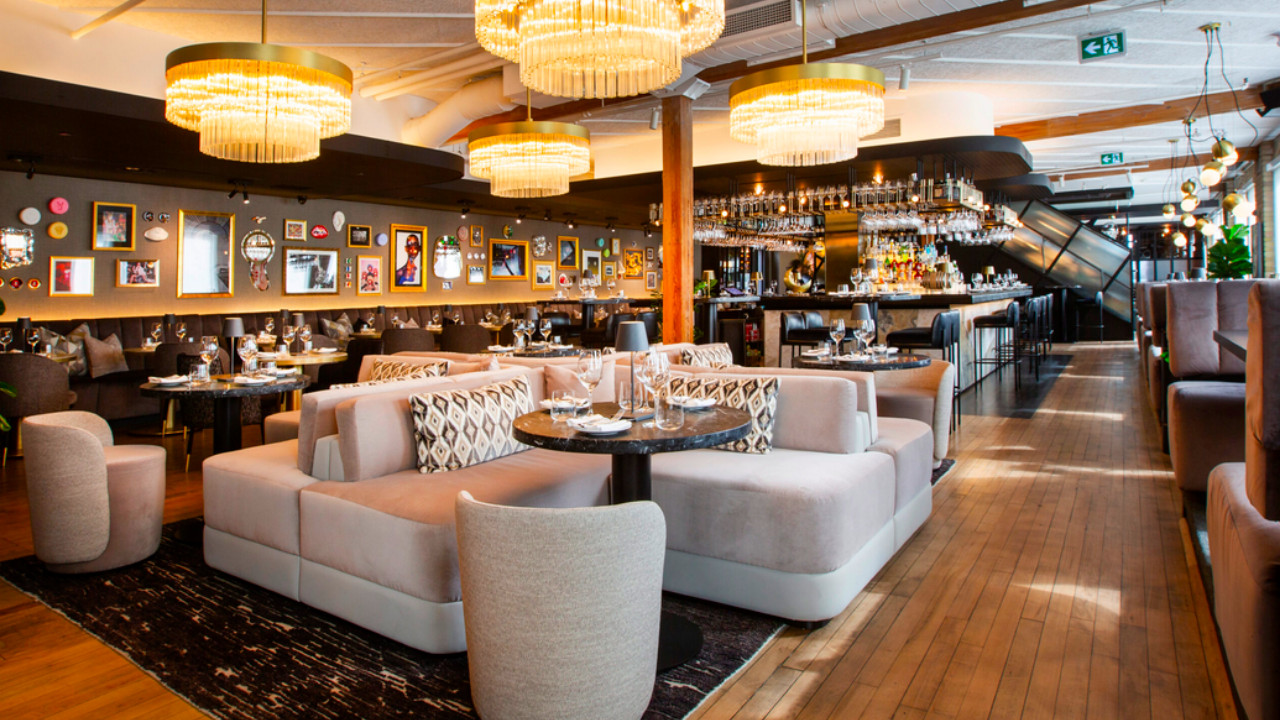
Restaurateur and nightclub king Charles Khabouth is putting his signature spin on the private members club experience with CLIO, newly opened in September in a building that will look familiar to anyone who ever walked by or set foot in The Spoke Club at 600 King St. W. But that’s where the similarities end. Khabouth took over The Spoke Club, which operated for 14 years until the start of 2020, with the intent to shut it down and reopen an entirely new club, with an entirely new focus.

A representative for CLIO explains that this is a private members club nothing like The Spoke Club, adding that the space has been re-imagined into “a creative, leisure-oriented sanctuary.” Various lounges,  a restaurant, vibrant bar, contemporary art gallery, cinema, roof terrace, and private spaces for events can all be found here with the intent of offering not only an exclusive experience, but also a well-rounded one for members.

CLIO bills itself as “a unique gathering place for a diverse community of bright minds and inspiring leaders who share a passion for collaboration and conversation.” In summary: this is not meant to be the stuffy “old boys club” private associations of the past.

Though you may still need old boys club money to get in, and maybe a few old boys club connections; annual membership comes in at $2,750, plus a $500 initiation fee, or $4,000 if you’re aiming for their international membership. Anyone hoping to become a member will have to provide the contact information of two active club members to support their application, along with a headshot, so it’s clear members are meticulously vetted.

Credit: Clio Toronto

The representative for CLIO adds that since the pandemic, people have been seeking more meaningful connections with like-minded peers in a secure social setting – and CLIO has created that space. “Through cultural programming, a superior culinary offering, guest speakers and a welcoming and inclusive environment, CLIO aims to set itself apart from other members clubs. It’s also the perfect place for today’s hybrid work model.”

In terms of what your membership will get you (aside from inside the doors), CLIO promises an elaborate calendar of events and programs throughout the year, including art tours, movie screenings, book launches, fashion shows, monthly theme parties, wine and beverage events, speaker series and more. The private dining room will be open daily for breakfast, lunch, dinner and light bites, presented by executive chef Michael Parubocki.


View this post on Instagram


A post shared by The Britely Social Club (@thebritely)

International members will also have access to more than 30 private clubs around the world through Sonato Alliance, some of which include CORE: NYC, The Britely in Hollywood,  The Battery in San Francisco, Allbright in London, 1880 in Singapore, and Kjarval in Iceland.

Current and soon-to-be members can look forward to several upcoming events appealing to a variety of interests, from art and music to food, fashion and design. A few examples in the next few weeks include a wine and food pairing, a prohibition-themed Halloween party, a new-release film screening, a wellness day, a cooking class with Parubocki, as well the continuation of the club’s speaker series on relevant topics of interest to CLIO’s members.

CLIO is open at 600 King St. W. and currently accepting new members.

Toronto’s newest bakery will make you fresh cookies at midnight and deliver them straight to your house

0
Midnight Cookie

We’ve all been there.

It’s midnight, and you’re craving something sweet. Unable to sleep due to {insert disastrous world event here}, you start scrolling through your favourite food delivery app. To your surprise, every purveyor of fresh baked goods in the city has closed for the evening.

There’s your run of the mill fast food options, but nothing made fresh. When Emily Banks and Alon Steinbach were faced with a situation much like this in early 2021, they decided to take matters into their own hands. 


View this post on Instagram


A post shared by Midnight Cookie (@midnightcookie.to)

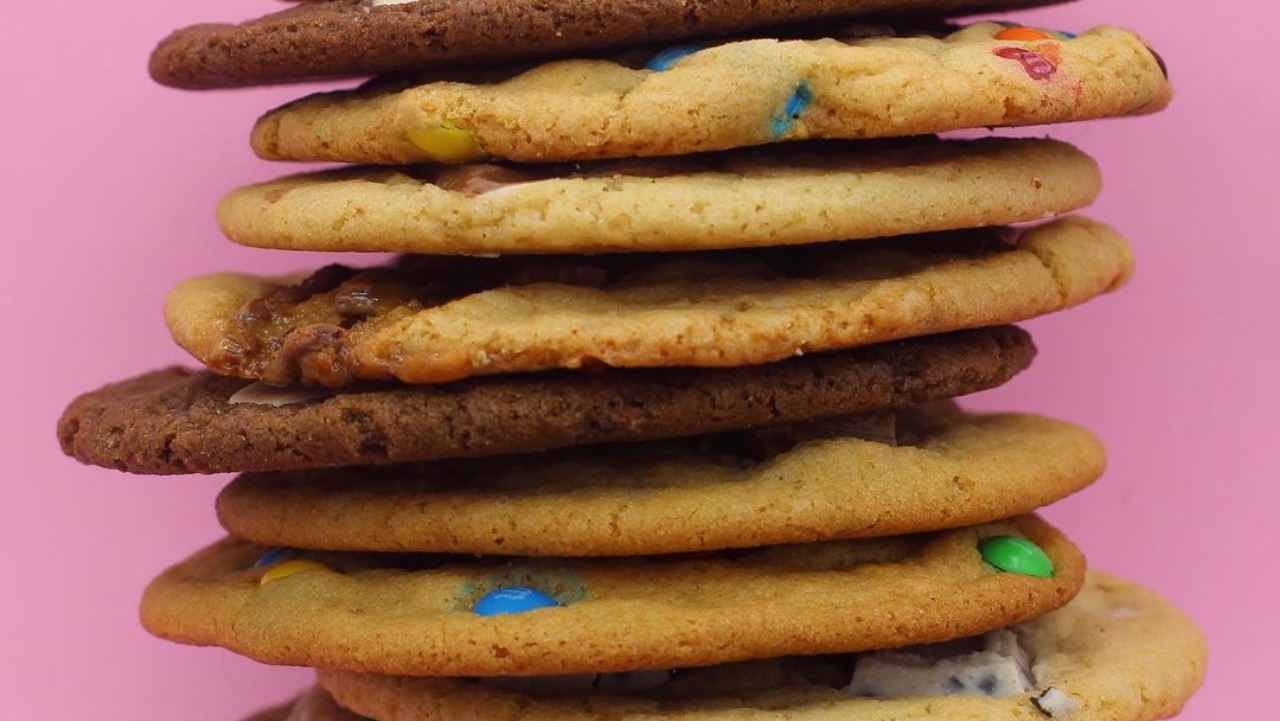
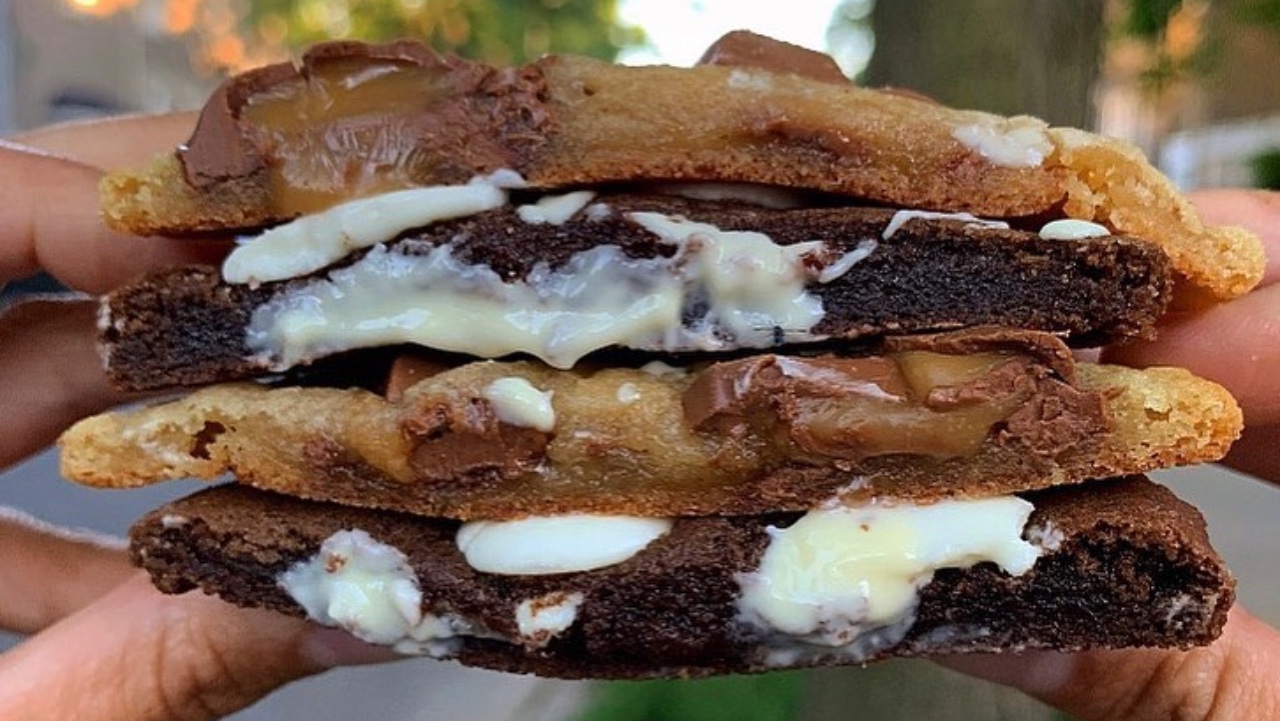
Fed up with the lack of late-night options, the partners started Midnight Cookie. With delivery times from 8 p.m. to 2 a.m. Tuesday through Thursday and 8 p.m. to 3 a.m. from Friday to Sunday, Midnight Cookie is baking delectable cookies when you want them the most. “We spent months crafting the perfect cookie,” Banks said. “They have crunchy edges with a soft centre, and are always delivered warm.”

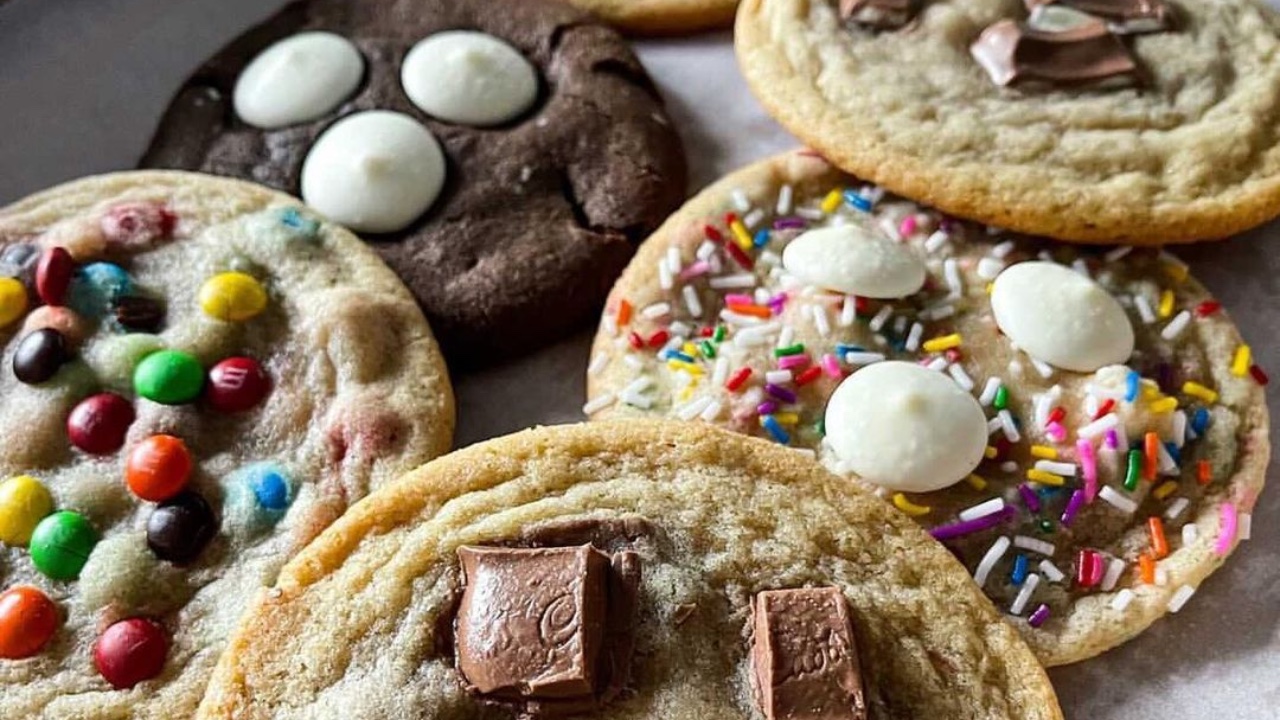
The M&Ms cookie, Cadbury cookie, white chocolate sprinkle cookie, and dark chocolate cookie with white chocolate.

Along with top sellers like their Kinder, Caramilk and White Chocolate Sprinkle flavours, Midnight Cookie has also added cookie dough to their menu. And, in case you need something to wash down your sweet treat, they also sell milk.

Customers are invited to customize their box of cookies so that they can get the specific flavours they desire. The cookies are then made to order at Midnight Cookie’s new 858 Eglinton Ave E location. “This way everyone can have the freshest cookie possible,” Banks said. 

Midnight Cookie makes after-hours treats that can be delivered straight to your house.

As you might expect with these cookies made with care, orders forms come flying in all night long. “We get orders until 3 a.m. and sometimes even after,” Banks said. She went on to say that the day prior to speaking with me for this piece, an order came through at the ripe hour of 2:30 a.m.

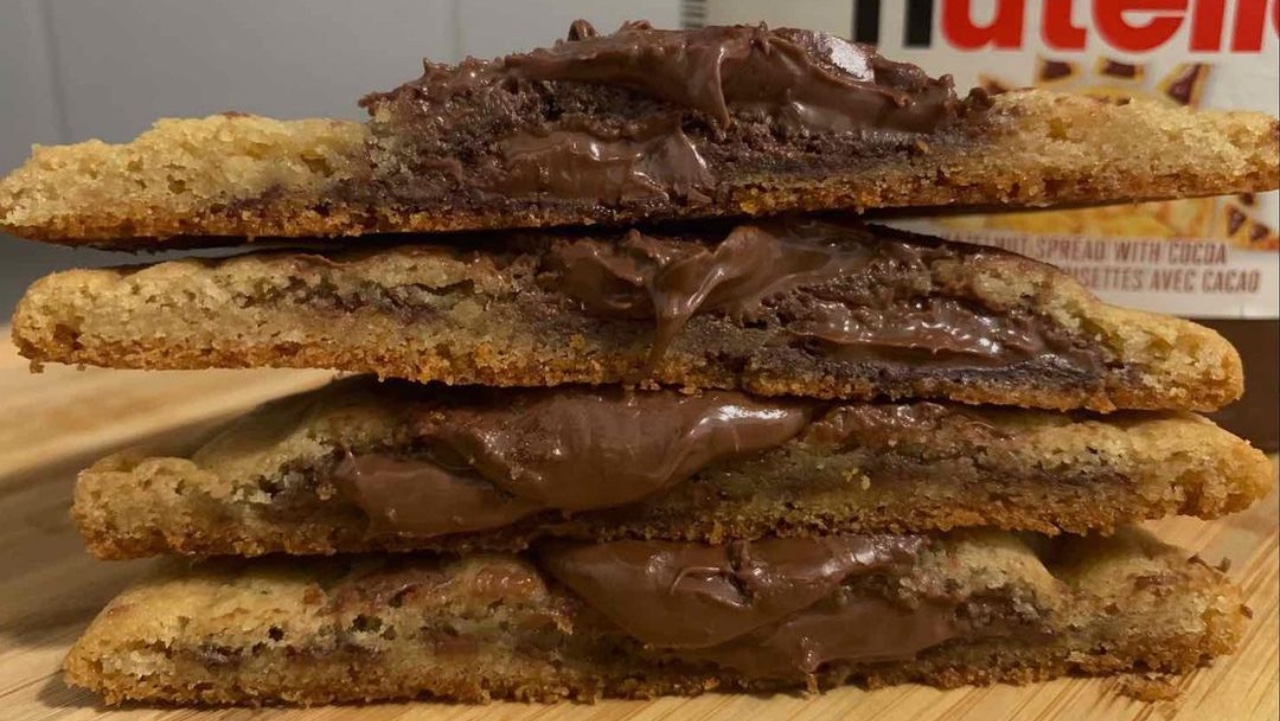
The gooey Nutella cookie.

And why not? Midnight Cookie’s baked goods are simply to die for. “We’ve had many people say that they haven’t had a cookie like ours before in Toronto,” Banks said. “It really is a unique product!” 

Orders can be placed through the link in Midnight Cookie’s Instagram bio, or on Uber Eats or SkipTheDishes. 


This Peruvian-inspired restaurant is Toronto’s latest spot for Instagrammable salad bowls

0
Brasa Peruvian Kitchen

Brasa Peruvian Kitchen is all set to open in First Canadian Place after waiting months for provincial restrictions to lift.

Though this was supposed to be the Peruvian-inspired restaurant’s first location, it will now be the third to open in a four-month timespan. Brasa Peruvian Kitchen is owned by Michel Falcon who, although not new to Toronto’s food scene (he’s also behind Baro Restaurant and Petty Cash), wanted to do something that would pay homage to his nationality.

Falcon says Peruvian food is “phenomenal” and yet, while everyone is familiar with Italian, Greek and Japanese food, not as many are familiar with Peruvian delicacies. That’s why Falcon came up with this “gateway” into the culture. He is very clear to state that they do not serve Peruvian food, but rather just add Peruvian flavours to traditional salads and bowls.


View this post on Instagram


A post shared by Brasa Peruvian (@brasaperuvian)

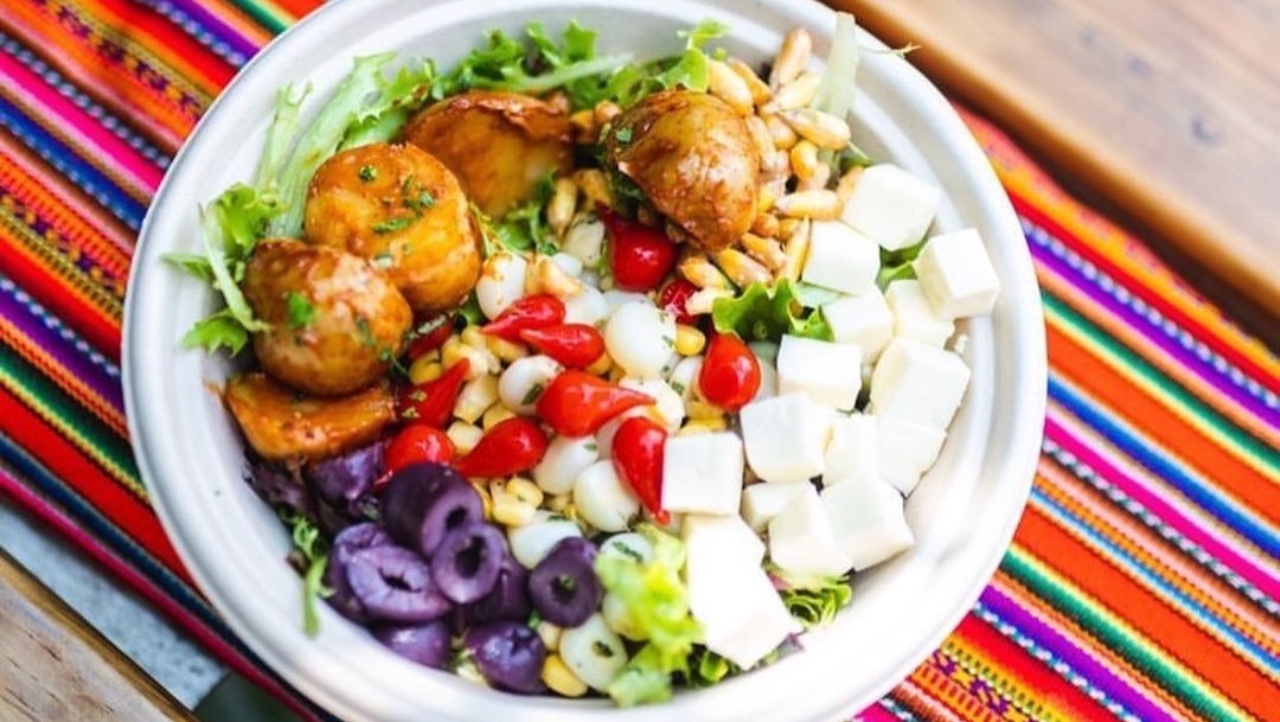
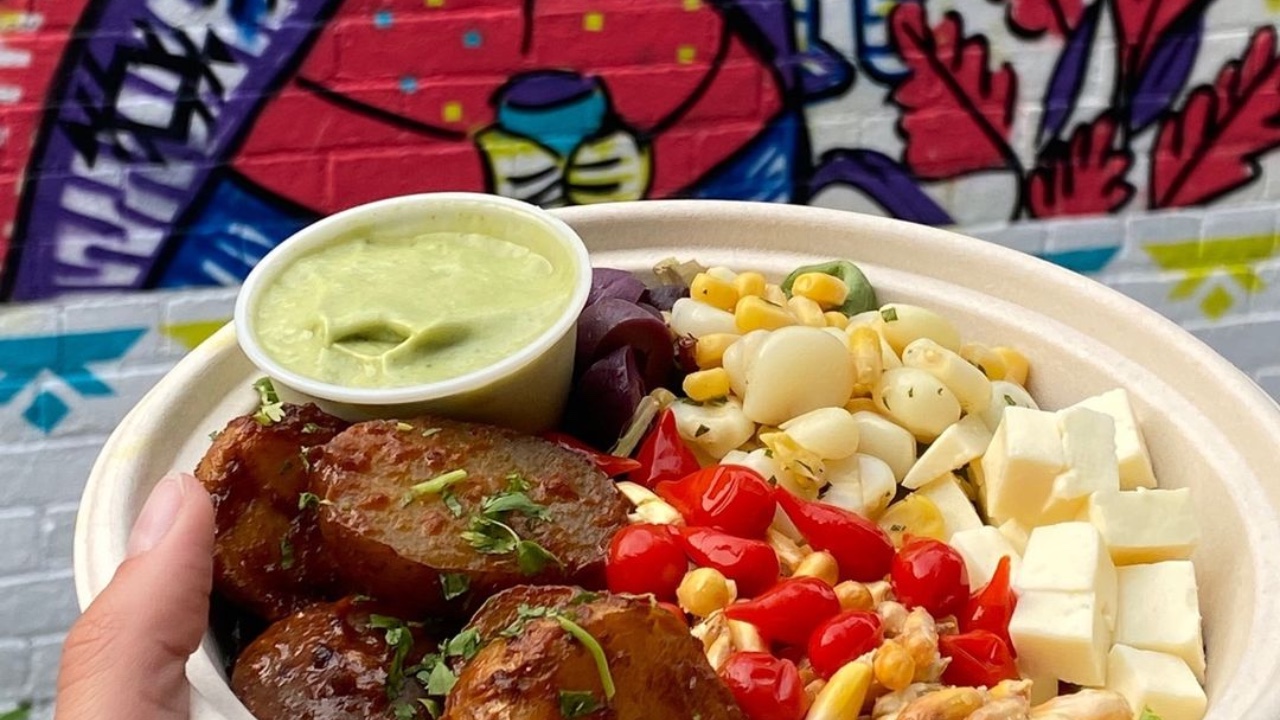
These flavours stem largely from the use of peppers. Brasa leverages three of the five staple peppers of Peru, including the aji Amarillo (yellow chili pepper), aji panca (pink pepper), and rocoto.

“The thing that’s very unique about Peru,” says Falcon, “is that they have ninety different microclimates in the country. That means they can grow things that other countries simply cannot. So, you’ve got flavors from the mountains, the ocean, the jungle, with all this different soil. That’s where these peppers come from.”

Brasa Peruvian Kitchen spotlights five signature Peruvian chilies in its signature bowls.

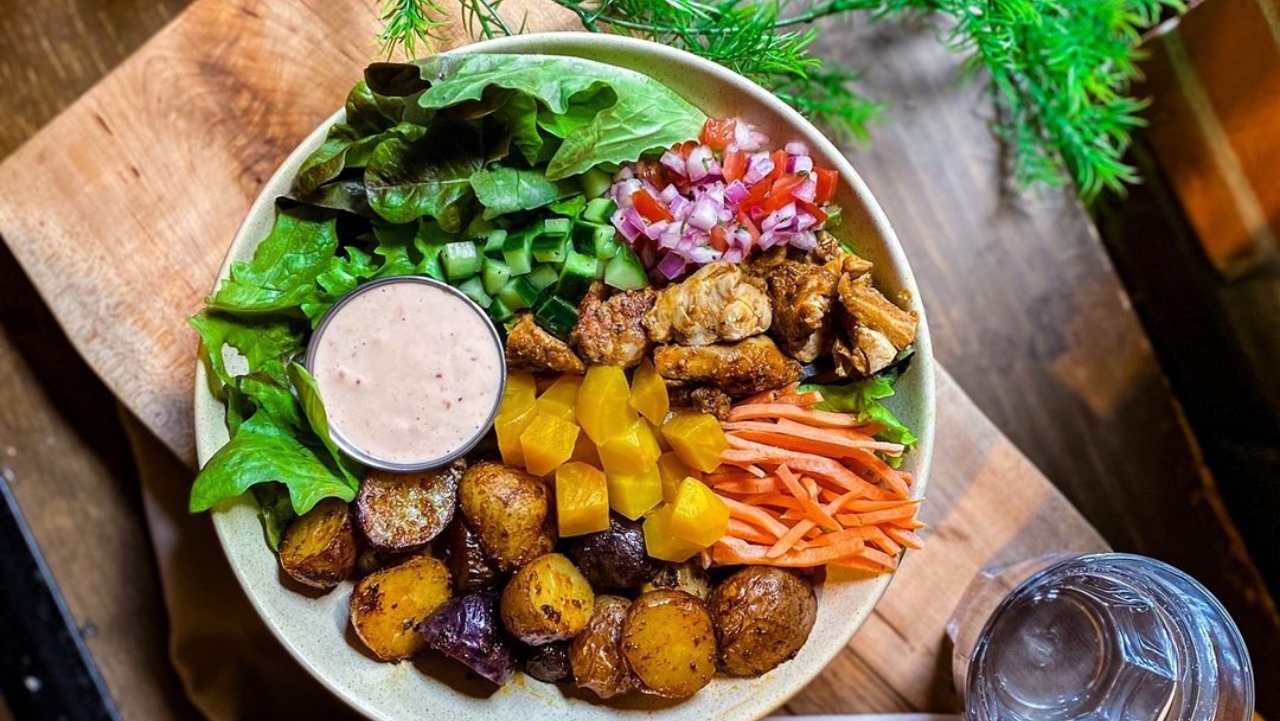
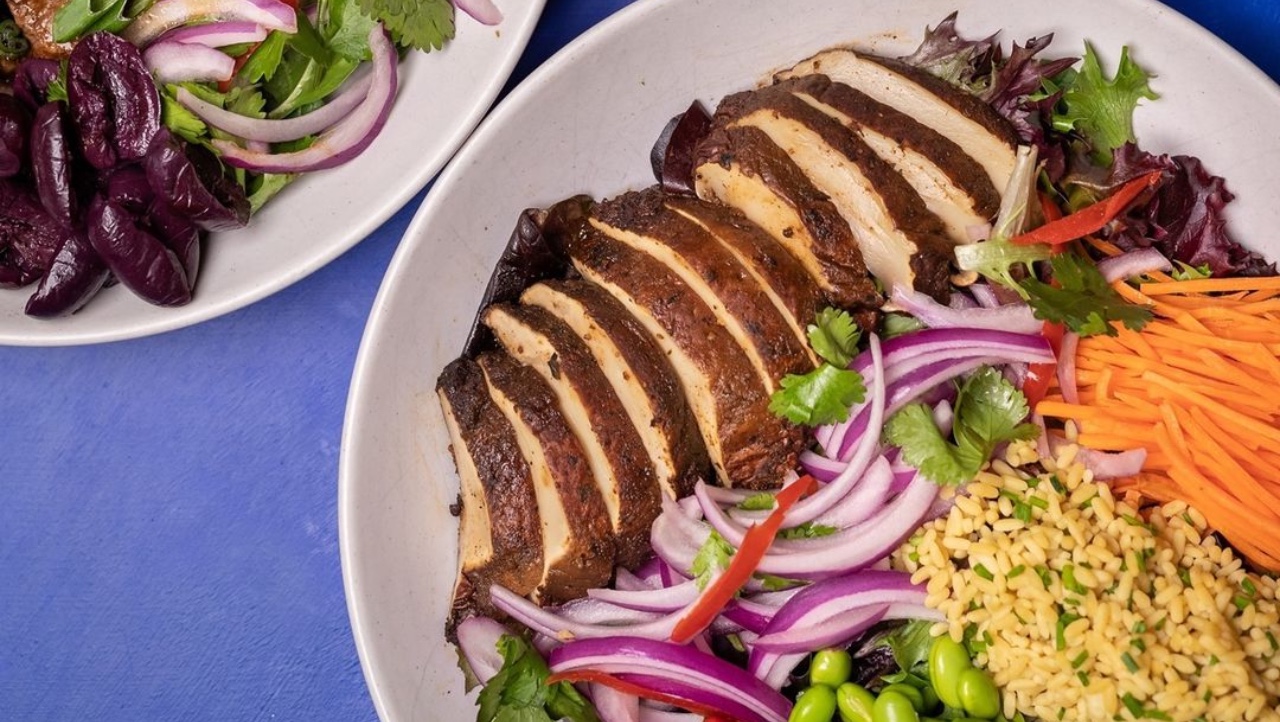
Other Peruvian ingredients include golden beets and toasted corn. These are included within the bowls and salads alongside recognizable menu items like animal and plant proteins, root vegetables, and grains.

The menu was designed by Peruvian-born Chef Guillermo Russo and Michelin-star chef Jose Luis from New York. Falcon additionally enlisted the help of two Toronto dieticians and nutritionists to audit the menu for bloating and micronutrients. It was important for Falcon to create foods that made a comfortable experience for the customer without taking away the great taste.

Golden beets are one of the most-used ingredients at Brasa Peruvian Kitchen.

But Brasa is about more than the food. The goal is to educate customers on the culture of Peru. That’s why on many of the social media posts, you’ll see the hashtag #EatNewExploreMore. This is to persuade customers to get more immersed in the the culture of Peru.

There are plenty of meat and veggie options available at bars Peruvian Kitchen.

Next week, Brasa will be adding stickers to their environmentally friendly containers which will attribute a fun fact to whatever food you decide to include in your bowl. “That’s how we’re going to do storytelling through food,” Falcon says.

Brasa Peruvian Kitchen is located at 297 Campbell Avenue, and as part of Kitchen Hub at 234 Parliament Street. The First Canadian Place location will be opening in early November and will be the restaurant’s flagship location.

Brasa’s Campbell location has a small weather-permitted patio with wooden picnic tables. While the other two locations do not currently have dining space, Falcon says the plan is to open five more stores in the GTA which will have seating of up to 20 people.

Toronto’s hottest new outdoor vintage market is where all the cool kids are going

0
Hippie Market
@hippiemarketlife

If you visit 1200 Dundas St. W. at just the right time on just the right night, you’re in for a treat. What was once a Beer Store parking lot is now filled with stalls housing various vintage pop-ups; instead of strewn shopping carts and bags of long-emptied beer cans, the space is now filled with people dressed in outfits that belong on the front of a trendy streetwear magazine. Tonight, it’s hosting Hippie Market, a nomadic vintage pop-up market beloved by the cosmopolitan, chic, and environmentally-conscious.

At the entrance closest to Ossington, there’s a woman reading tarot cards at a small table. If you venture further, passing the group of models dressed like they’re straight from the 70s—complete with thick moustaches, tinted aviators, and flared pants – you’d feel welcomed by the music drifting in from the speakers, floating about the energetic conversations happening all around.


View this post on Instagram


A post shared by Hippiemarket (@hippiemarketlife)

The first stop: Clutter Porch, a pop-up filled with “fuzzy, funky, colourful, soft, sparkly things” curated by Jo Kolakowska. Donning a denim coat trimmed with repurposed white vintage fur and a cowboy hat, Kolakowska chatted eagerly as she simultaneously attended to customers. After her bartending gigs ended due to the pandemic, Kolakowska returned to her old professional stomping grounds. (Back in high school, she ran a vintage reselling business with a friend of hers called Schmoe’s Clothes, a name at once riotous and adorable).

Kolakowska was in Guatemala when the pandemic first hit, staying at a hostel where she coincidentally met another woman who happened to be from Toronto. Once she learned about Clutter Porch, this friend, “who knew Kealan, the organizer of Hippie Market,” encouraged Kolakowska to reach out and set up shop at the next event. From then on, Kealan loomed as a mythic figure; everyone gushed about her, speaking with true, reverential admiration.

The Kealan in question is Kealan Sullivan. As soon as you speak with her, you’d know exactly why she draws such veneration. Her calm, confident voice radiates outward and makes you feel like you’re talking to an old friend. Hippie Market is her latest vintage incarnation, which she runs with her partner Alistair Kyte.

“People always came to me to find out where they could get almost anything,” she says. From 2004 to 2016, Sullivan owned a smattering of vintage stores around Toronto: 69 Vintage, Buy the Pound and V, to name a few. She’d always run the occasional outdoor market at her stores, so this was a natural next step, pairing her entrepreneurial savvy with her love of fashion.

“My personal style has always been very much a part of who I am. And I never looked outward,” Sullivan says when asked about her fashion influences. This same individuality is what drives Hippie Market, making it a truly unique experience. She calls the public’s newfound interest in vintage “a massive resurgence,” though she doesn’t balk at the idea of calling it a trend. “It’s definitely a trend.”

Sullivan credits sustainability and inclusivity as the two major themes of the market, both which are apparent as soon as one steps foot onto the asphalt Hippie Market inhabits. Clothing manufacturing is one of the largest production industries in the world, right behind automotive and technology manufacturing, single handedly creating 8-10 per cent of global carbon emissions. Due to a lack of recycling and mindful use, tonnes of garments become unnecessary waste on a yearly basis. “There’s been a lot of awareness about sustainability—that has been the best trend of the last few years. People [are] really starting to appreciate the labour involved with making clothing. I mean, the waste that comes from the garment industry, that’s a very real thing,” she says.

Sullivan says that making Hippie Market such a welcoming and inclusive environment mostly arose naturally. She has a hand in determining the placing of vendors throughout the market, almost like a seating chart, and she often pairs less experienced vintage sellers with those who have been in the industry for longer, creating a feedback loop of advice and casual mentorship. “We’re very available to our vendors,” she says of her and Kyte’s presence at the market, “in order to make them feel comfortable and safe and proud of what they’re doing.”


View this post on Instagram


A post shared by The Preston Style (@theprestonstyle)

“Everyone is so nice, so supportive. People will send down [customers] to other stores, like ‘Oh, you’re looking for this? Go to this person!’” Cassandra Gemmell says. Gemmell runs The Preston Style and Critical Femme Archive with her partner Chelsea Preston. Their outfits don’t necessarily match per se, but they are complementary of one another, and this compatibility extends to their collaborative vintage venture. While Gemmell’s style gravitates towards “classic, very diverse fashion,” with a hint of drama, Preston’s is a mix between “cottage core fantasy” and garments that are “very, very queer [and] gender free.” The supportive bonds between vendors isn’t the only means of inclusivity here at Hippie Market. “I try to have sizes extra small to four XL. I’ve tried to be size inclusive, because that’s really important to me,” Preston says.

Sullivan has big plans for Hippie Market, so big that she can’t even share them with me. “I just want to continue having a really strong, authentic brand. We have a lot of really dedicated people, so I want to create that message and continue to help each other out.” Though it’s unclear how long Toronto have to wait for the next phase of Hippie Market to come to life, it’s clear the hundreds of vintage lovers who keep coming back for more would happily wait a lifetime.

A familiar Thai chef is behind Toronto’s first-ever multi-sensory restaurant

0
Chef Nuit Regular at Selva Toronto

An immersive, multi-sensory, and colourful new restaurant is opening in Toronto, and a familiar face is leading the charge in the kitchen.

Chef Nuit Regular, who most recently opened Pai Uptownwill be leading the culinary program at Selva. The team behind the new space is the same as RendezViews, which transformed an old parking lot at 229 Richmond St. West into one of the city’s most colourful, epic outdoor patios. Selva opens Nov. 3 at 221 Richmond St. West, and reservations will be available to book starting Oct. 24.

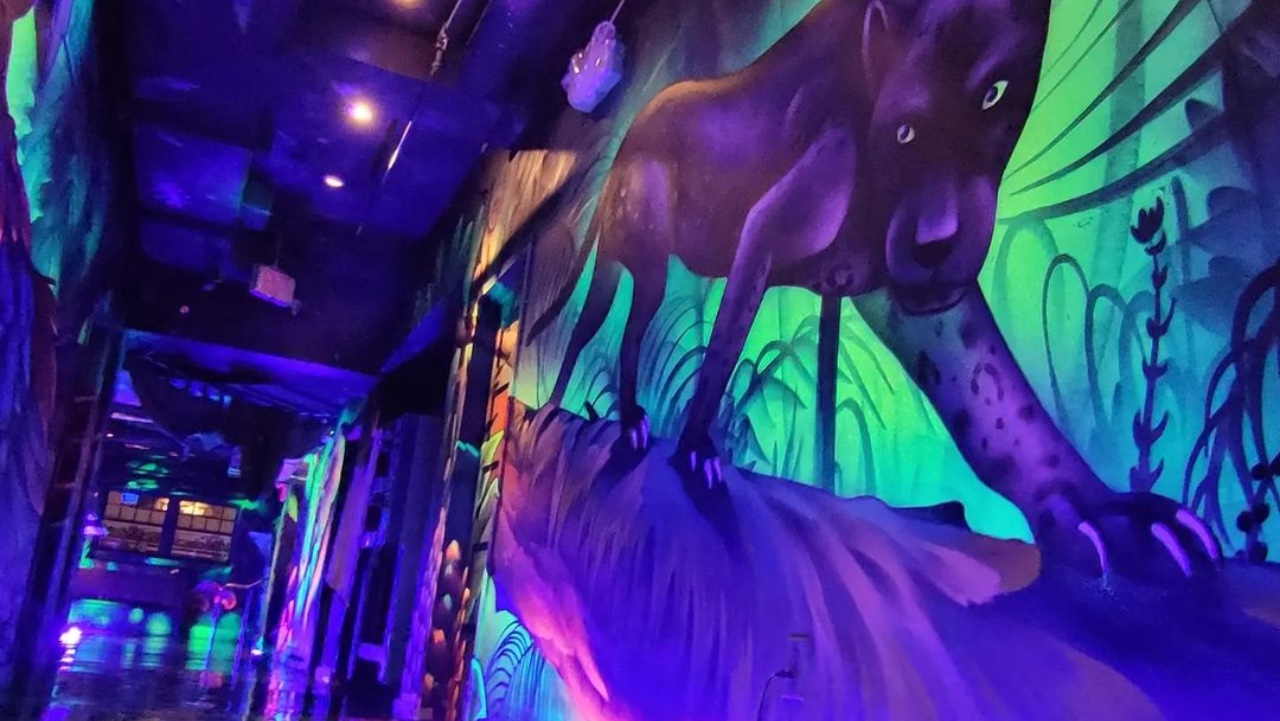
Selva, which translates to jungle from Spanish, will feature massive murals of contemporary art, black lights, lots of tropical plants, and plenty of visually stimulating experiences.

The Food

During the pandemic, Chef Nuit learned to cook many different cuisines as she travelled the world in her kitchen, and was eager to share her new-found interest with others.


View this post on Instagram


A post shared by Selva Toronto (@selvatoronto)

With the jungle and nature as her backdrop, Chef Nuit’s menu draws inspiration from the incredible artwork created by Clandestinos Art (Bruno Smoky + Shalak Attack who also created Reflections, the much talked about mural at RendezViews) and the cuisines of South America.

Selva’s menu will merge chef Nuit’s Thai flavours with a nod to South American cuisine. Chef Nuit Regular’s goal is to complement the immersive multi-sensory experience at Selva by creating one-of-a-kind pieces of her hand-crafted edible art.

“Growing up in northern Thailand, I was also surrounded by jungles and nature, so I wanted to find a connection between the cuisines of South American and Thai cuisine—whether it’s a similarity in the ingredients or cooking techniques. I wanted the menu to bring the two cultures together and connect people through food and art,” Chef Nuit Regular says.

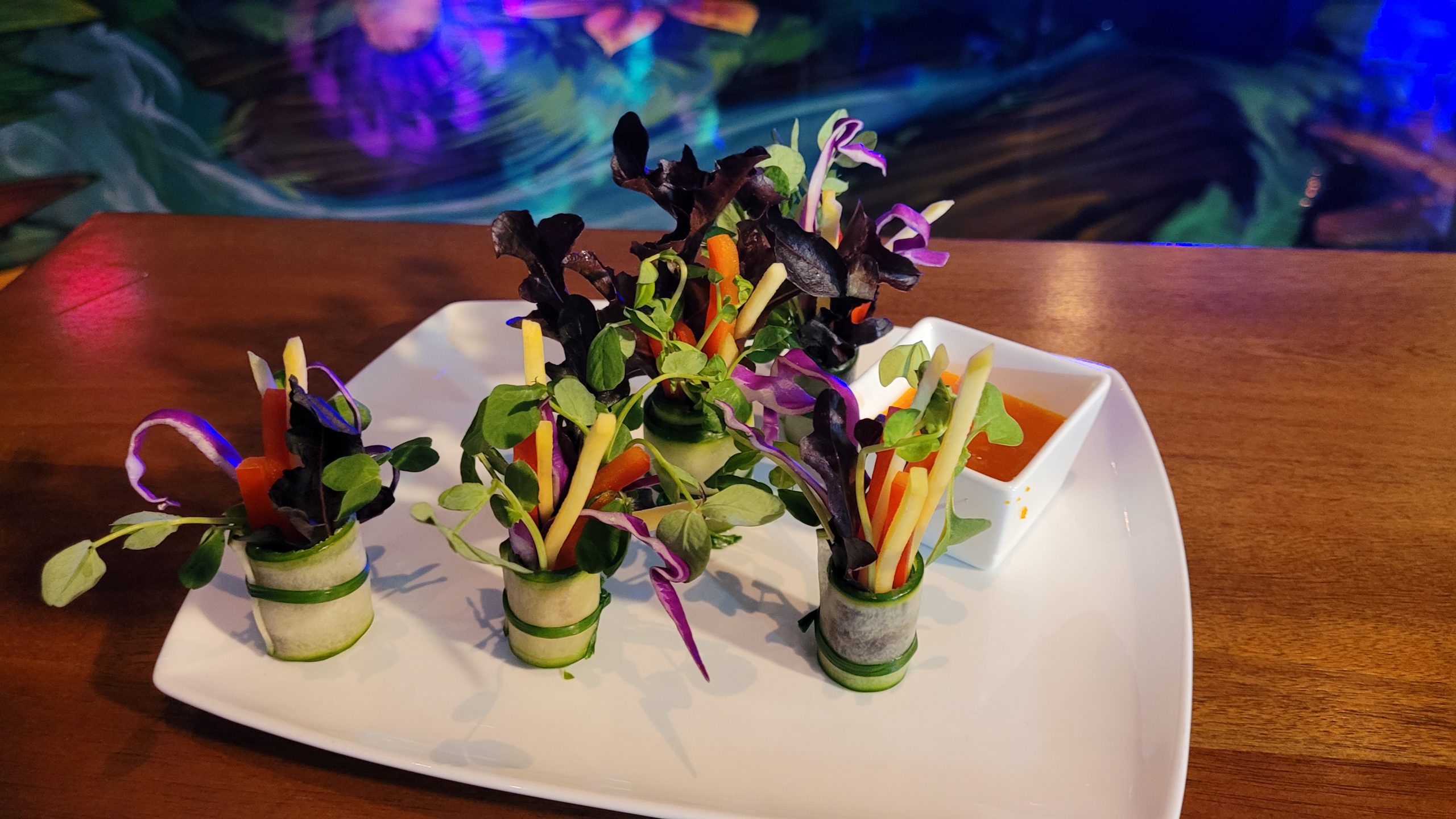
Most of the dishes are small plates that are meant to be shared with the whole table. Expect to find a variety of meat and seafood dishes, including four kinds of ceviche (fish, scallop, lobster, and vegan coconut), grilled whole fish, Waygu beef skewers, and plenty of sharing plates.

The menu also features a variety of vegetarian, vegan and keto-friendly items.

Selva is open Wednesday through Saturday from 5 p.m.

The AGO’s bold new Picasso exhibition set to open to the public

0
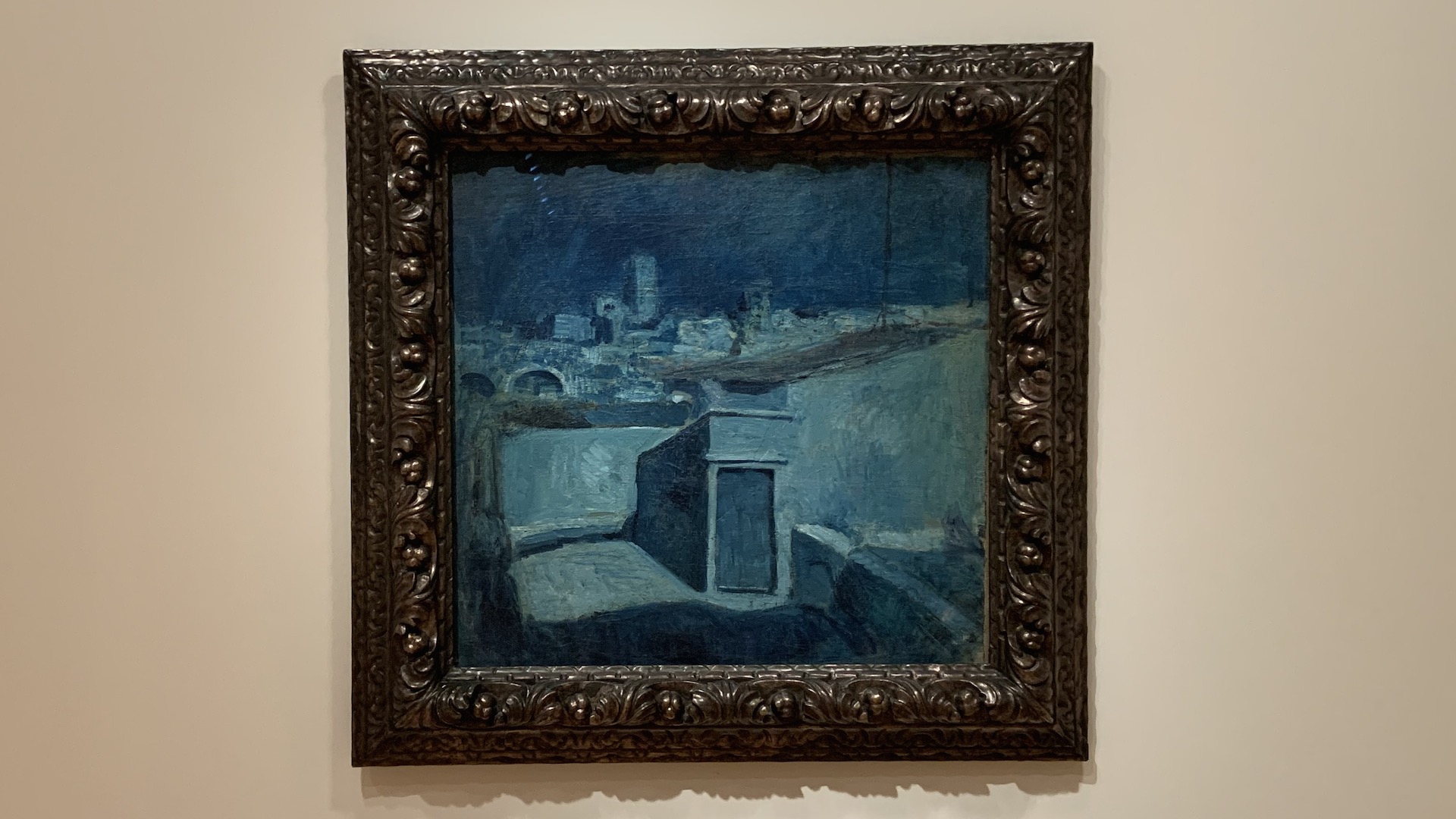
Pablo Picasso. Blue Roofs, Paris, 1901. © Picasso Estate / SOCAN (2020), Photo © Ashmolean Museum, University of Oxford.

As far as exhibitions go, Picasso: Painting the Blue Period is a very big deal. The AGO’s hotly anticipated new show is open now to gallery members and will open to the general public on Oct. 26.

TRNTO had a tour of the exhibition recently, as well as a chat with the exhibition’s c0-curator Kenneth Brummel, the AGO’s associate curator of modern art, who put the expansive and important show together alongside Dr. Susan Behrends Franks, curator at The Phillips Collection.

Picasso: Painting the Blue Period has more than 100 objects from 15 countries and is co-organized by the AGO and The Phillips Collection, Washington, DC with the support of the Musée national Picasso-Paris.

Picasso is, without dispute, one of the most influential artists of the 20th century, and is well-known for his founding of the cubist movement. This exhibition takes a look at the early works of the master concentrating on his “blue period,” in the very early 20th century from 1901-1904 as the artist was just starting out and developing his characteristic style.

“Two Women at a Bar” circa 1902. (© Picasso Estate/ SOCAN 2021)

The collection comprises works from around the world, and Brummel suggests the prizes of the show are five works pulled together from different areas of Japan, which have never been shown in public together until this exhibition. He says, all told, he’s been working on putting together this show for seven years.

The show begins with two rooms dedicated the Picasso’s early works: Becoming a Modern Artist, and Depicting the Nude, both with works from 1901. The signature work in the first segment of the exhibition is The Blue Room, which is the subject of an investigation by the curatorial department that plays out later in the exhibition as another work is discovered underneath the painting.

The exhibition kicks it up a notch over the next few rooms when the significant works of the Blue Period come to bare including pieces such as Woman in Blue Shawl (1902), Two Women at a Bar (1902), Barcelona Rooftops, and La Soupe, all from 1902. The Soup is also the subject of another thorough exploration through sketchbooks and complementary material before the exhibition touches on the subsequent and substantial Rose Period.

“Le Soupe” 1902. (© Picasso Estate/ SOCAN 2021)


“Barcelona Rooftops” 1902 (© Picasso Estate/ SOCAN 2021)

The final rooms show Picasso’s progression as an artist and his burgeoning interest in issues related to the plight of humanity.

The vast majority of Picasso’s most notable works, ones that are known best by the greater population at large come later in the artist’s career. After all, he managed to live until he was 91 and it has been estimated that he created more than 13,000 works. This show touches upon a handful of those years. But it is always interesting to look at the early and formative periods that reveal who the artist was, how his interests and style developed and why. Picasso is a fascinating figure, and the Art Gallery of Ontario has created an enjoyable and immersive deep dive into an important period in his life.

Picasso: Painting the Blue Period runs until Jan. 16, 2022.

The opening of the Picasso exhibition to the general public coincides with the closing of another popular show featuring the work of acclaimed pop artist Andy Warhol, which closes Oct. 24.

Space traveller William Shatner headlines Fan Expo Canada

0
Shatner coming to Fan Expo Canada
William Shatner, part of the NS18 mission team (photo: @clubforthefuture)

Fresh off his trip into space, Canadian pop culture icon William Shatner is set to headline Toronto’s Fan Expo Canada this weekend.

It’s time to dust off your cosplay outfit because Fan Expo, the largest comic book, sci-fi, anime, horror, and gaming event in Canada, returns after a two-year hiatus to Toronto’s Metropolitan Convention Centre on Oct. 22-24.

Operating under a “limited edition” format due to COVID-19 restrictions, 25,000 genre enthusiasts will have the opportunity to get their game on and rub elbows (through a plexiglass barrier) with celebs and artists from around the globe.

The star-studded lineup of celebrity guests includes Star Trek’s William Shatner and George Takei, Resident Evil’s Robbie Amell, James Marsters (Spike!) from Buffy the Vampire Slayer, comedians David Finch and Ken Lashley, and Canadian cosplayer Jillea.

Aside from buying stuff (like that missing Captain America comic book missing from your collection) and checking out the elaborately dressed cosplayers, not to mention the photo ops, autograph signings, and Q&A panel discussions, fans can unwind in the all-new anime screening room, which will be showing episodes of Sailor Moon, Naruto and Cowboy Bebop and more.

Also new to the event, Marvels Avenger S.T.A.T.I.O.N where you’ll find Avenger’s agents roaming around, trivia and giveaways, and “one of a kind” merch.

Bringing the kiddos? Young fans can join a princess singalong, compete in a lip-synch battle, build their own plushie or take part in a sorting hat ceremony on the show floor. There will also be meet-and-greets with professional costuming groups including The Ontario Ghostbusters and the Toronto Steampunk Society throughout the weekend.

Cosplay will take centre stage thanks to leatherworking and wig styling workshops, panels, and competitions and you can (safely) hobnob with professional cosplayers including Luckygrim and WendyYukki or hit the Cosplay Red Carpet and have a free photo taken by Droo Photography.

Attendees will need to follow safety protocols and show proof of vaccination. Social distancing measures are also being enforced with wider open venue spaces.

For the full lineup visit Fanexpohq.com.

One of Toronto’s coolest Korean restaurants is opening a huge Midtown outpost

0

OddSeoul, a staple on the Ossington strip for its late-night Korean small plates and chill vibe, is opening a new spot on Dupont Street later this month. The new venture, called Neon Tiger will open Oct. 28 and offer a similar Korean-inspired menu complete with boldly flavoured snacks and fun cocktails. 

You may recognize the new venue as the former Playa Cabana Hacienda, popular two-story taco place known for its massive 90-seat patio and festive decor. David Sidhu of the Playa Cabana empire became a good friend of the OddSeoul team during the height of COVID-19, prompting the sale of the venue. 

“We were waiting for the right time and the right climate to open. Our hope is to create a new legacy for this legendary location and make Playa Hacienda Proud,” says Naveen Chakravarti, owner of OddSeoul and Neon Tiger. 

Starting with dinner service and moving to offer brunch and lunch in early 2022, the new spot is spacious, with 90 seats indoors and up to 130 available on the patio. Neon Tiger echoes the same chill energy you’d find at OddSeoul, with good music and that relaxed, effortlessly cool feel you might find at a dive bar – but now with a ton more space. 

As far as food goes, eager patrons can expect a carefully curated menu of fun and approachable food and drink options that fuse Asian flavours with classic comfort food staples. Drawing inspiration from its sister restaurant, the menu is stacked with savoury small plates like scallop tacos – a Western take on the Vietnamese salad roll or simple but refreshing drinks like the Soju and 7 – a Korean twist on the classic highball cocktail typically made with whiskey.

Executive chef and food industry veteran Wes Haines, whose culinary credits include Gusto 101, Mildred’s Temple Kitchen, Bar Centrale and Little Portugal pizza place, Prohibition Pie, is running the show in the Neon Tiger kitchen. He hopes the new spot serves as a nod to the hipster charm of OddSeoul, bringing some of that same energy just north of Bloor.

“OddSeoul is an institution and with this new venue, we are still serving many of OddSeoul’s classic dishes, like the fan favourite bulgogi cheesesteak, but also trying to branch out and offer more pan-Asian flavours and try new things.”  


Toronto just got a giant beer hall and the fish tacos look amazing

0
Fish tacos are a popular pick.

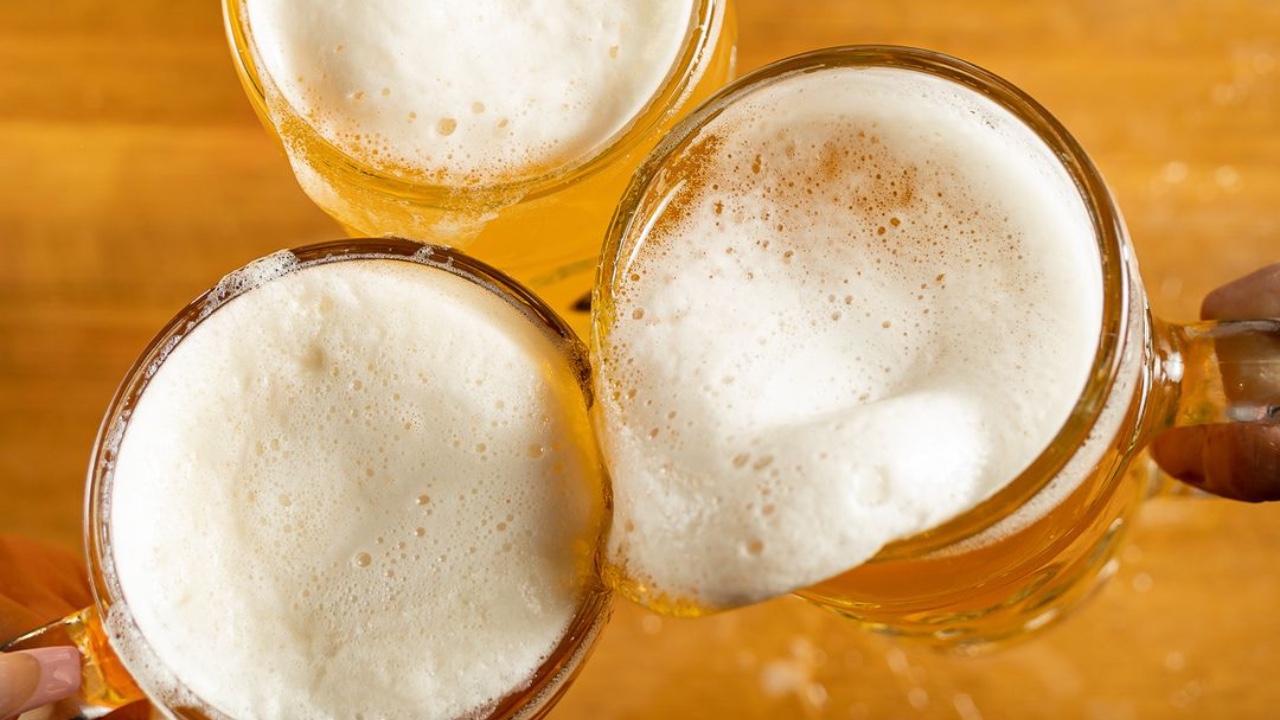
Self-proclaimed ‘leader of the craft beer dining revolution,’ Beertown, has finally made its way to the big city. In addition to a long list of craft beers, ciders and wines reflecting the ever-evolving Ontario craft beverage scene, this family-friendly joint offers an equally extensive food menu sure to please all ages and tastes.  

Beertown’s rotational beer program is ever-changing, offering exclusive releases, and limited run beers you won’t find at your local liquor store. They work closely with brewery partners to be the first to pour Canadian releases, like the country’s first ever non-alcoholic beer on draught, Omnipollo’s Konx.

Beertown

They also bring new beers to Ontario from abroad including – but not limited to – Duchesse Flanders Red Ale, Stone’s Arrogant Bastard and more. Try something new, like the Soleil Kettle Sour, brewed with blood oranges and vanilla in partnership with Storm Stayed Brewery out of London, ON. Or, stick to something closer to home like local fan favourite Bellwood’s Fruit Jelly King.

Beertown’s rotating taps and bottle selections have variety of ciders and gluten-free brews.

If cocktails are more your style, they have a partnership with Willibald Distillery in Ayr, Ontario to offer a fantastic cocktail on tap – the Farmhouse Limeade (featuring Willibald pink gin, freshly brewed hibiscus tea, lime, simple syrup and a splash of soda) in addition to more classic, signature and beer cocktails.

The food menu offers the same endless stream of variety, anything from fish tacos to pad Thai and all the typical pub food fare in between. Beertown has also developed stand-alone plant-based and gluten-friendly menus appealing to the full spectrum of dietary restrictions. 

Expect everything from typical pub fare to riffs on a few classics.

Owned by Jody Palubuski, former general manager of Toronto spot The Loose Moose, he has spent the past decade opening Beertowns in cities across the province including Barrie, Burlington, Oakville and London with Toronto being the latest venture, officially opening its doors mid-August of this year. Each Beertown location has the feel of an independent restaurant with the same focus on authenticity in food, drinks and service. 

“As a group, we went into the pandemic with five Beertown locations and came out of it with eight,” says Palubski. A testament to their rock solid business model and passion for what they do. 

An indoor-only spot with a capacity of 228, the Café TO program allowed Beertown Toronto to expand into a temporary patio, providing patrons an additional 28 seats outdoors.

Beertown is spotlight a series of Bavarian brews for the month of October.

Inside is an open concept layout complete with moveable glass walls that open directly to the sidewalk, providing an unobstructed view and connection to the lively Wellington and University Avenue street corner. 

For maximum family-friendly appeal, the spot strikes a perfect balance between lively and comfortable, marrying industrial style elements with pops of colour to create a distinct look and feel. A long saloon style bar handcrafted from zinc is soldered, welded and riveted in place while handmade light fixtures hang from the exposed pipe-lined ceilings, paying homage to the Beertown team with numbers and letters hidden in the design.

A look inside Beertown Toronto

In a city full of breweries, Beertown stands out because of its approachability. You can find local craft beers as well as some bigger names appealing to a broader audience. Their mission is simple: create a public house for the community.  

“Some have described us as a “gateway beer bar” and we are happy to take on that moniker; we’ve created a public house for the community – a space where you can kick back, relax, and come together with friends to celebrate good drink and food.”

You can head to the 125 Wellington Street West location Sunday to Wednesday from 11:00 a.m. to 11:00 p.m. and Thursday to Saturday from 11:00 a.m. to midnight.  


Top Chef’s Rob Rossi just opened a Northern Italian osteria in Yorkville

0

Following the massive success of opening his restaurant Giulietta in the spring of 2018, chef Rob Rossi (who appeared on season one of Top Chef Canada) has once again partnered with David Minicucci to bring a taste of Northern Italian fare to Toronto’s Yorkville neighbourhood.

Osteria Giulia opened on Oct. 2 at 134 Avenue Rd. Designed by Guido Costantino, Osteria’s interior is hyper minimalist, featuring natural wood and wicker dining chairs, pale hardwood floors, and a modern wood-panelled bar that’s stocked with spirits from around the world.

The Food

“Osteria Giulia is a Northern Italian coastal restaurant that’s very heavily focused on seafood, pastas, vegetables, and risotto,” Rossi says. “We wanted to keep the restaurant very simple, minimalist, and clean, and let the room speak for itself, with the food and the people being the accents. The inspiration for the food was to breathe new life into some classic Italian dishes, but still keep them very simple and honest,” Rossi says. The menu will also rotate different dishes, as ingredients come and go with the seasons.

Chef Rob Rossi

“I think it’s very important that the menu does change, because much like Giulietta, we like to change the menu at least three to four times a year,” Rossi continued. “Cooking Italian is all about using local ingredients, so we try to do that as much as possible here to create great Italian dishes.”

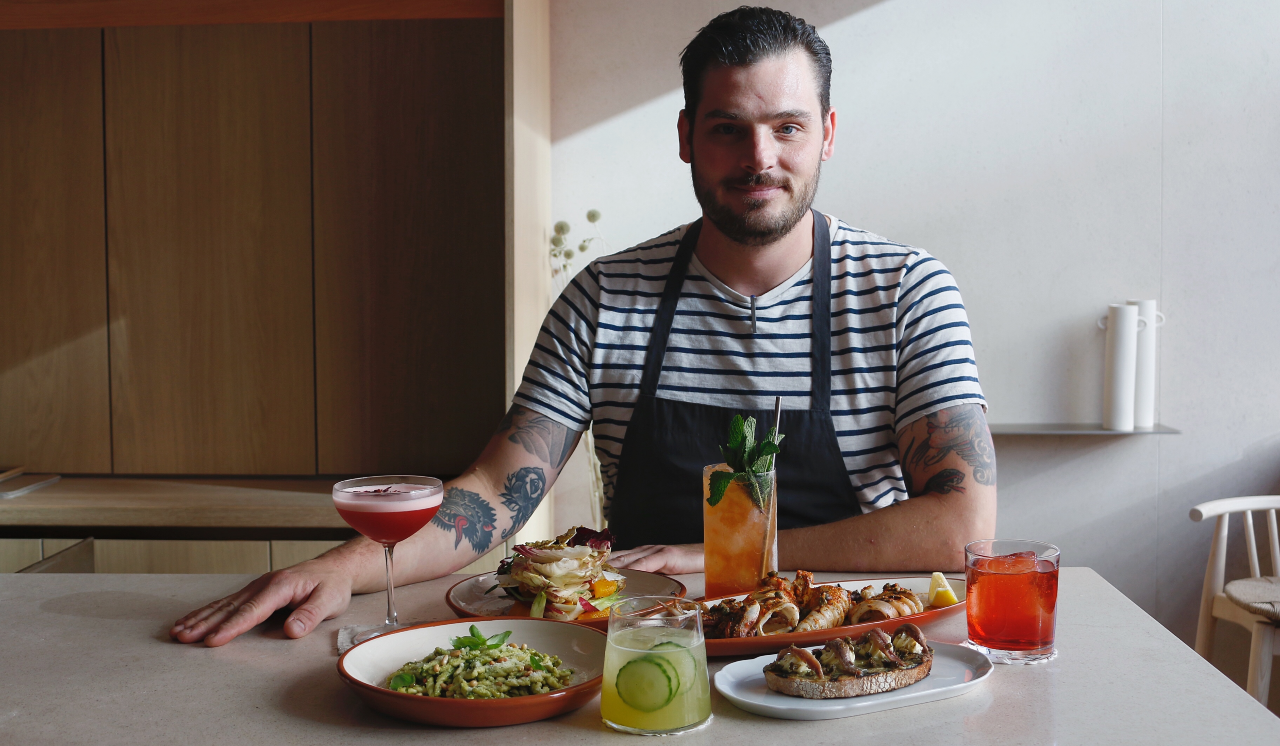
The anchovy and whipped butter toast is topped with roasted garlic and crispy capers.

The trofie pasta is done with a basil pesto and served with lots of pine nuts and pecorino cheese.

The chicory salad is light and refreshing, but retains a bitter bite, and comes stacked in layers,highlighting ricotta salata, heirloom chicories, lemon vinaigrette, and pistachios.

The grilled calamari brings some heat thanks to a sauce that blends chilli garlic, white wine, parsley, oregano, lemon, and capers.


The Drinks

Over at the bar, which seats eight, bartender Iain Codona has created a cocktail program that aims to highlight the same fresh approach Rossi has taken with the food menu. “It’s definitely in keeping with Rob’s philosophy of taking good ingredients and treating them with respect and preparing them simply with the guest in mind,” Codona said. “There’s a lot going on in our cocktail program, but they’re all plays on classics,” Rossi added. “My favourite is actually the Marsala Cobbler; it’s fresh and classic, with beautiful flavours.”

The Marsala Cobbler ($19), which is a riff on the classic sherry cobbler, mixes Pimento Marsala wine, lemon and almond, Angostura bitters, and Amontillado sherry, topped with a sprig of fresh mint.

The Messicano ($18), Osteria Giulia’s top-seller, is a tequila-based cocktail that blends white tequila, green Chartreuse, mint and basil cordial, a hint of lime juice, and served with refreshing sliced cucumber.

The Dopo L’Avoro ($17) is a dark pink aperitivo that’s a sour take on an Americano cocktail made from shaken egg whites, select bitters, and a mix of Vermouth red and whites, topped with a dried hibiscus flower. 

Osteria Giulia also puts a twist on the classic negroni ($19). Still using a mix of London dry gin, sweet vermouth, and campari, Codona adds a branded stamp on a big piece of hand-cut ice, and sprays it with distilled orange oil for a flavour that brings an extra touch of citrus.

You can stop by Osteria Giulia Tuesday to Saturday from 5:30 to 10:30. Walk-ins are limited, so be sure to book a reservation in advance.


This new Canadian clothing line claims to kill COVID-19 particles on contact

0
NONIE

You’ve got your masks, you’ve got your physical distancing, you’ve got your vaccine, but don’t forget your… trench coat? That’s what Canadian brand NONIE, worn by the likes of Megan Markle, is suggesting with their new antiviral trench coat that has the potential to stop the spread of COVID-19 & SARS viruses.

The fully recyclable, sustainable womenswear brand has partnered with patent-protected athletic scrubs brand FOLDS to make the outerwear staple you apparently didn’t know you needed.

Beyond the clean lines, roomy shape and earthy, muted colourways that make the trench wearable, the brand is using patent-protected nanotechnology to fuse every fiber of the garment with silver and carbon ions. This purports to kill COVID-19 & SARS viruses immediately, preventing them from multiplying on the fabric. The fabric also has zero microfiber release which stops the virus or bacteria from coming off the fabric and being inhaled by the wearer or someone nearby.

NONIE isn’t the first to bring pandemic-conscious clothes into the fashion scene; Diesel claimed to create anti-viral denim material to stop COVID in 2020, an Italian luxury brand called Albini Group created a Viroformula fabric for companies like Prada and Armani that uses silver to kill the virus upon contact and Toronto-based biotech company IFTNA created an anti-viral chemical fabric coating claiming to do the same.

When asked if antiviral materials will become a mainstay in fashion design, NONIE founder, Nina Kharey is hopeful.

“Clothing needs to be more functional now. It absolutely has a role in protecting us.”

Retailing at $790.67, the trench definitely comes at a price, but may provide some stylish peace of mind for the more COVID-conscious, fashion-forward shopper.

Experts have stated that COVID-19 mostly spreads through airborne respiratory droplets, and it’s been largely reported that the virus rarely spreads through surfaces, or fomite transfer. So it’s likely COVID-killing technology in clothing fabric will only do so much to stop the spread – but for the extra pandemic-conscious consumer, this might make you feel a little safer during those shopping trips to the packed grocery store.

Kharey says that a shift in recent years toward more purpose-driven purchasing has heavily influenced demand for brands, like NONIE, that offer 100% recyclable, sustainable clothing options.

“I think people are becoming more and more aware of the waste and consumerism in the [fashion] industry.”

You may recognize the brand from pictures of 2018-era Meghan Markle, who was spotted not once, but twice wearing a sleeveless, belted NONIE trench dress. With re-wear potential fit for a Duchess and an eco-conscious, socially responsible approach to design, NONIE’s pieces (known in the sustainable fashion world as “circular garments”) are sure to become increasingly popular.

“Fashion is one of the biggest polluting industries in the world,” says Nina. “Fashion needs to become more eco conscious; the industry contributes over 40 million tonnes of fabric to landfills every year.”

If you’re interested in buying into the newest COVID-era fashion and technology and you’re on the market for a new fall coat, this might be the purchase for you!