Home Blog Page 388

Artist unveils a four-storey art installation in Toronto for local cause

0
Mazzone mural for Shoebox Project

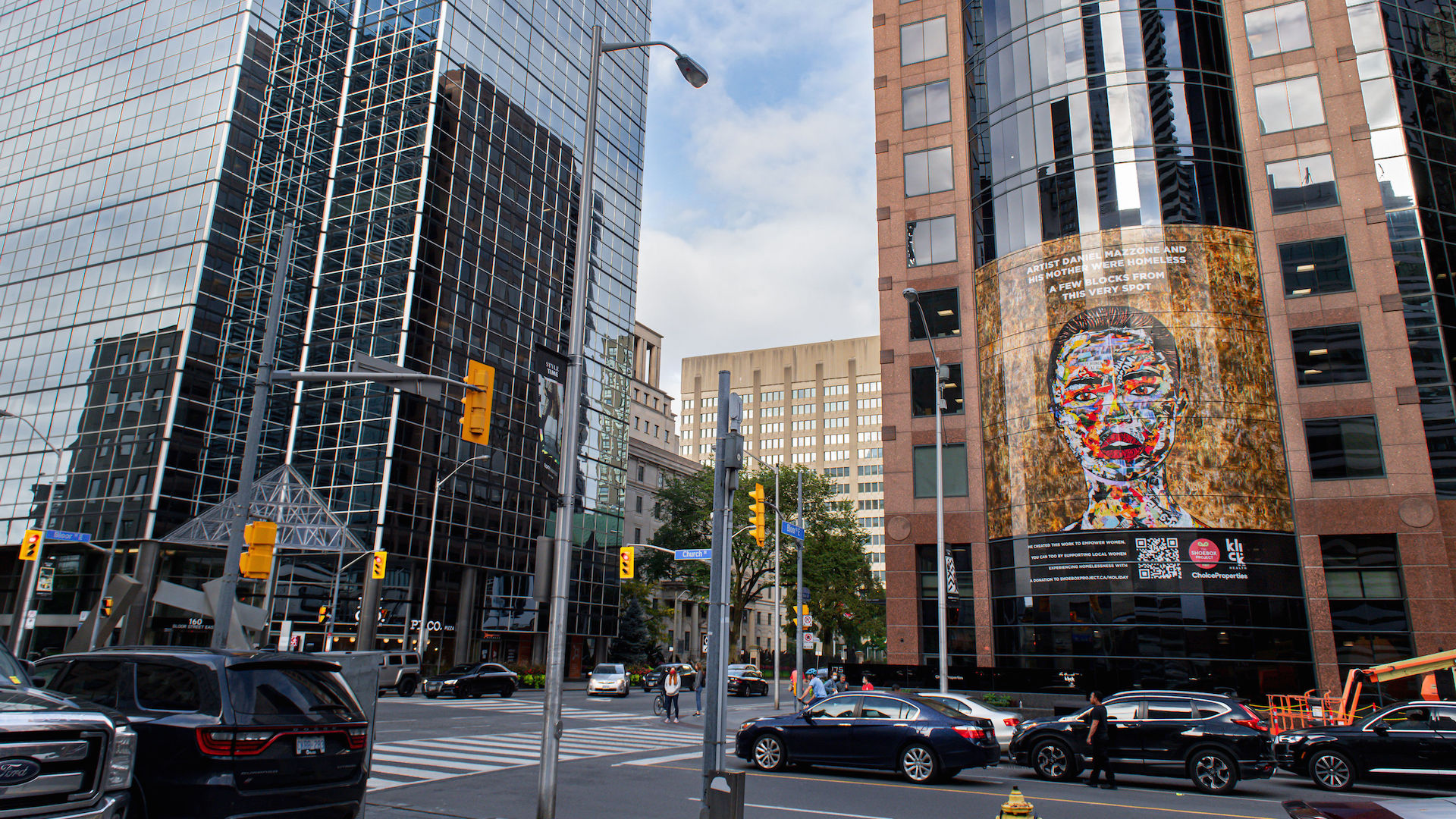
Canadian artist Daniel Mazzone unveiled Maria – a captivating four-storey art installation depicting a woman fighting to be heard. The large-scale portrait is in support of The Shoebox Project for Women aiming to help bring compassion and dignity to local women experiencing homelessness.

The activation kicks off the Toronto-based charity’s holiday fundraising campaign, which collects gift-filled Shoeboxes and messages of support, distributing them to local women impacted by homelessness.

“I got the inspiration for this project a lot because of my mom being a strong woman while growing up and her being homeless. I wanted to be able to give back to people in the same situation,”  Mazzone says.

Mounted on the front of Klick Health’s Toronto HQ at the corner of Bloor Street E. and Church Street, the activation is complete with a QR code that drives individuals to The Shoebox Project website for more information and/or to make donations.

The artwork will be up through the end of the year.

To watch our full interview with artist Daniel Mazzone, click here.

About the Shoebox Project for Women: The Shoebox Project for Women is a national registered charity that is dedicated to sharing empathy, kindness, and compassion with local women impacted by homelessness through the collection and distribution of thoughtfully curated, gift-filled Shoeboxes and messages of support. Over the past 10 years, the Toronto-based charity has distributed over 240,000 Shoeboxes across Canada, the USA, and the UK, and an additional $1.2 million worth of gift cards and essential products directly to local women and gender-diverse people accessing over 510 shelters and community agencies. 

About Klick Health: Klick Health is the world’s largest independent healthcare marketing and commercialization partner. Headquartered in Toronto, the company was established in 1997 and has consistently been named a Best Managed Company and Great Place to Work. In 2020, Klick was recognized with 14 Best Workplace awards, including Best Workplaces for Giving Back, Best Workplaces for Women, Best Workplaces for Inclusion, and Most Admired Corporate Cultures. This project will mark Klick’s first as a title sponsor of The Shoebox Project following five years of supporting the charity through both monetary and Shoebox donations. 

Toronto bakery and pizzeria is serving up the biggest slice in the city

0

Toronto’s Lamanna Bakery is adding to the great Toronto debate on the best pizza in the city, while at the same time making serious social media noise far beyond the city’s boundaries.

What’s one of the quickest ways to get Torontonians to disagree? Ask them where to get the best pizza in the city. Toronto is home to a staggering number of mouth-watering pizza joints serving up a plethora of options from deep-dish and Neapolitan to plant-based and gluten-free. And while the best pizza debate will continue to rage on, one Toronto bakery has taken the crown for serving up the largest pie in the city.

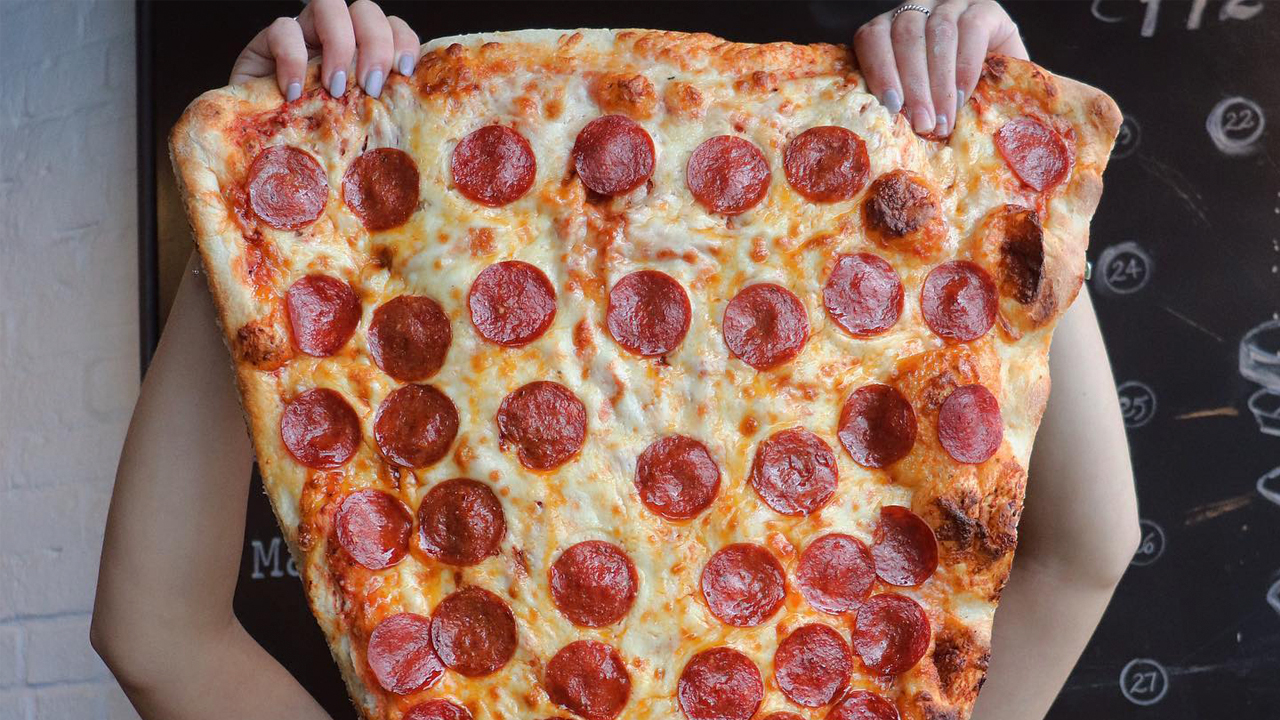
Lamanna Bakery, located at 6758 Kingston Road makes jumbo – 28-inch – slices of pizza. Dubbed the Big Slice, these supersized creations are racking up the Insta likes thanks to a menu ranging from the classics like the Italian Margherita and the simple Americano to non-traditional options like the grilled cheese – a slice covered in a dozen or so mini-grilled-cheese sandwiches and the Poutine loaded with French fries and smothered in gravy.


View this post on Instagram


A post shared by Lamanna’s Bakery (@lamannabakery)

And let’s not forget that Lamanna’s is also a bakery, so dessert slice options are as drool-worthy (and photographic) as their savory cousins. There’s the birthday cake Big Slice which, you guessed it, is topped with buttercream and birthday cake, and the Simpson, topped with pink dipped sprinkle donuts. Dessert lovers can get their fix with other decadent options that include churros, brownies, and cannoli.

The bakery is run by brothers Joe, Lorenzo, and Dave Lamanna who opened it for their parents, Peter and Rosa back in 2004.

“Our original idea was a small and cute boutique bakery which would feature some of their favourite recipes,” says Dave, whose parents emigrated to Canada in the early 60s and worked in bakeries for most of their lives.

And Lamanna’s is truly a family affair: Rosa is the master baker and head of the kitchen, Peter makes all the bases and dough (and has been using the same recipe since the 1970s), Lorenzo is the head baker and creative director, Joe is in charge of the gelateria, coffee, and retail while Dave is busy with pastries, cookies, and overall management.


View this post on Instagram


A post shared by Lamanna’s Bakery (@lamannabakery)

“Our parents have a great sense of humour so they were always supportive of whatever we wanted to do,” says Dave, when asked how his traditional Italian parents reacted to their non-traditional menu additions. “The main thing for them was that no matter how crazy we take things, we needed to ensure it tastes good.” And they’ve continued to lure locals and tourists alike with a diverse menu that doesn’t take shortcuts when it comes to quality and creativity.

Few places have become as food-obsessed as Instagram and Lamanna’s has certainly capitalized on this with its inventive options, boasting a social media following of just under 150,000. There’s also been major attention from south of the border including a write-up in People Magazine and a feature on Good Morning America. There was also that one time Shawn Mendes showed up with a bunch of friends. No big deal.

While the shop is currently only offering takeout, Dave hopes to resume indoor dining in the new year.

“We do miss the social experience that Lamanna’s has brought over the years, so hopefully we can get back there soon,” he adds.

Kortney Wilson on revitalizing your bedroom’s vibes for the winter

0
HGTV Canada

Fall is here, and the change of seasons might have you itching for a modification when it comes to home design. Instead of a full home renovation, making simple decor alterations to arguably the most important room in the house – the bedroom – might be all you need. We spoke to HGTV’s Kortney Wilson about some of the key ways to invest in freshening up your bedroom.

Where do you start to change the vibe of a bedroom?

HGTV Canada

Layers. Layers and more layers. The key to making a bedroom feel warm, comfy and glamorous is layering linens. Step one: start with some clean, fresh white sheets. In the end, even with pets and kids, they can be bleached. Step two: find a beautiful comforter or a duvet cover and overfilled duvet. By going with a duvet cover and investing in a really nice duvet, you can change up the look from season to season.  Step three: have four fresh pillows that don’t flop over when you sit them up. Two that match the sheet set and two shams that match the duvet, a quilt or accessorize with the room.

What are some low-budget ways to make meaningful changes to your room?

An inexpensive way to create a put-together look without spending a fortune on a headboard is to put some peel and stick wallpaper on the accent wall behind the bed. Buy a couple of extra-large pillows to create a cosy backdrop. This works really well in kids’ and dorm rooms but even in staging houses. I’ve been known to just buy a bed frame and let the accent paint or wallpaper create the backdrop.

Some higher-budget ways?

Adding a quilt over the sheets and using a higher thread count will give a luxurious feeling. The weight and softness of the sheets have also been known to be helpful for a good night’s rest. I’ve also experimented recently with weighted blankets in lieu of a quilt and then layered with a fluffy-filled duvet.

Why is the place we sleep in such an important and focal part of home design?

It’s our place of rest. A long time ago, I was in need of a mattress, and a friend suggested that I go with a fairly expensive one. I was really having a hard time getting over the price. She told me that I’m going to spend nearly half my life in that bed (clearly this was pre-kids) and I should invest in a good night’s sleep. It was the best decision I made. Years later, I took it a little bit further recognizing that walking into my bedroom was my place of refuge. Investing in a space that also made me happy when I walked in and gave me the feeling of peace and solitude affected how I ultimately fell asleep. In this crazy world, it becomes the little things that make a difference in daily life.

What are some of the biggest mistakes people make when designing the look for their room?

HGTV Canada

The biggest mistake that I see over and over is not having symmetry in the bedroom. One way to do it is to have two side tables on either side of the bed that are exactly the same with lamps that are exactly the same. You can change up the accessories like candles and picture frames, but the bulk of what’s there should ground the space. Often people use mismatched things from different parts of the house just to have somewhere to put their coffee cup in the morning. Invest in some nightstands and lamps for beauty, ambience and function.

Toronto’s favourite salad joint just opened a spot on Eglinton where Bar Buca used to be

0
Fresh Eglinton

Fresh Restaurants has opened a new spot at 101 Eglinton Ave. E., taking over the former Bar Buca.

Bar Buca permanently closed in October 2020 after the owners were evicted from the property for failing to pay rent to the landlord, and accumulating $22,000 in debt. Starting out as a stand-alone juice bar 20 years ago, Toronto’s first hot spot for raw and cold pressed juices has become the city’s largest plant-based restaurant chain, and currently has 10 locations scattered throughout the GTA.

The new spot is located right across from the chain’s original location, which was 90 Eglinton Ave. E.


View this post on Instagram


A post shared by Fresh Restaurants (@freshrestaurants)

The new space is bright and airy, with a series of new design elements. The wooden pantry shelves are stocked with a rainbow assortment of cold pressed juices, while also displaying an array of products from small and local businesses. An earthy colour scheme carries throughout the interior of the restaurant, where olive green tiles flank the serving counter, wallpaper with vibrant orange tangerines coats the walls, and plush light grey velvet chairs and powder blue booths make up the indoor dining area.

Fresh on Eglinton has a regular menu as well as a gluten-free menu that’s packed with all of your favourite snack foods like sweet potato fries and quinoa onion rings, as well as handhelds like burgers, wraps, and flatbreads. Of course, the classic salad and protein bowls are all available as well, using only the healthiest, freshest ingredients.

Fresh Eglinton is currently open for walk-ins and reservations everyday from 11:30 a.m. to 10:30 p.m.

Fresh Retail is also available for takeout and delivery on the Fresh Restaurants app, Uber Eats, DoorDash, SkipTheDishes and Ritual.

This celebrity photographer has worked with everyone from Meghan Markle to Drake

0

Caitlin Cronenberg has managed to hit the sweet spot in her career. The artist has photographed some of the biggest names in the world (most notably, the cover and art for Drake’s much-memed 2016 album, Views), and her art has graced the covers of Vogue and W Magazine. She has also been able to leverage her talent and acclaim to pursue more creative projects, including a recent NFT short film in collaboration with well-known Toronto horror filmmaker and her father, David Cronenberg.

But Cronenberg says it took her some time to get to the point where she could do the kind of work she was passionate about.

“I was sort of paying my dues at first. I spent a lot of time doing things that were out of my comfort zone and not really where I saw myself,” she explains, in reference to event photography she started out doing with Hello Canada. “I didn’t love it, but I got a lot out of it. I met a lot of interesting people, and I had experiences that I wouldn’t necessarily have had otherwise.”

Cronenberg says it was when she eventually quit events photography for good that she knew she had developed enough confidence to pursue this career the way she wanted to.

“I think taking steps to only do the kinds of jobs that you want to do is kind of telling yourself that you feel confident in your ability to only take on certain kinds of jobs,” she says.

She started doing film stills, which she says was an “incredibly busy” field but was what enabled her to do photography full-time.

Since she was a child, Cronenberg says she’s always known she wanted to do something creative as a career, and she was influenced by a family full of creatives. In high school at Bishop Strachan School, Cronenberg remembers they installed a darkroom during her final year.

“I basically just moved into the darkroom,” she says. “It made sense to me. I wanted to capture images and create art that way. And it sort of all fell into place.”

Cronenberg has certainly fulfilled that dream, although she would say she has yet to feel like she’s “made it.” But you would be forgiven for thinking that she has, considering her credits so far: she’s photographed everyone, from Megan Markle to Robert Pattinson to Jennifer Lopez, and has published two books of photographs. Her second one, The Endings, featuring the likes of Keira Knightley and Julianne Moore, led to a directing credit as Cronenberg transformed the book into a short film that debuted at TIFF in 2018.

She hopes to take that further and direct film features and says there are some “great projects” on the horizon.

Toronto florists are facing a major flower shortage with no end in sight

0
Alisa Anton/Unsplash

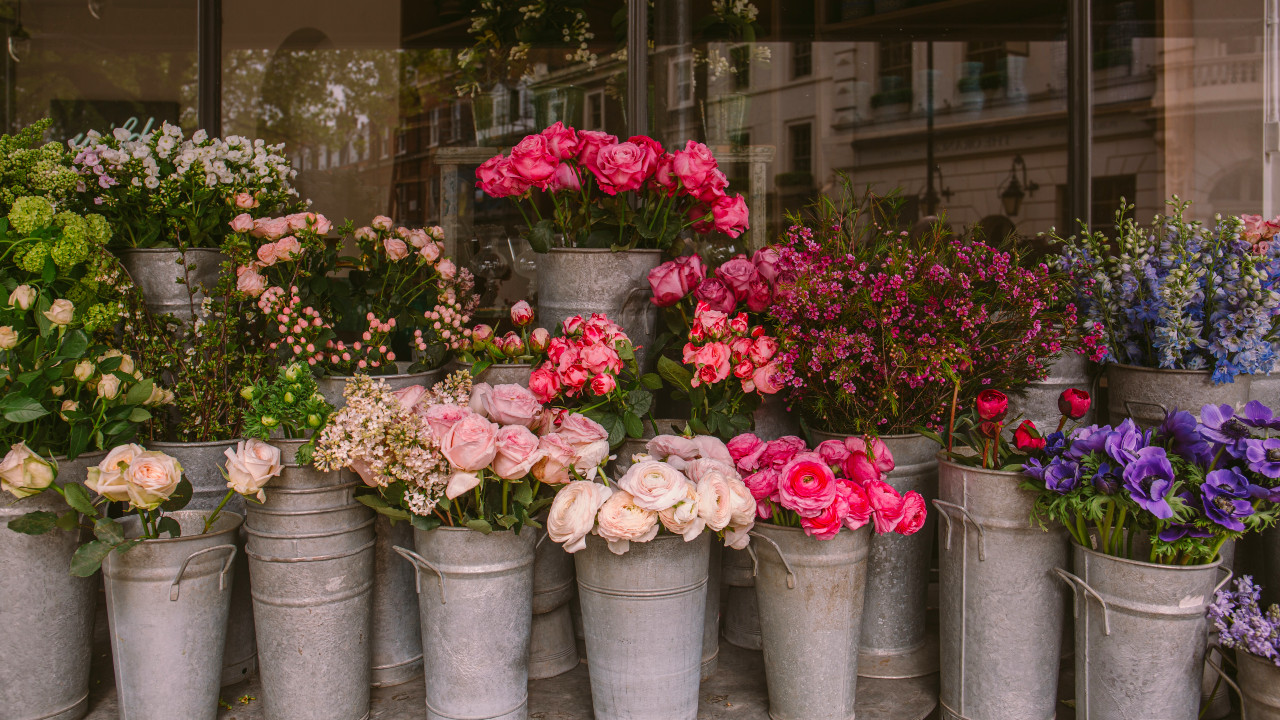
In 2020, the main concern for florists was a demand problem – with a raging pandemic and less money to go around, flower shops had to survive through a gruelling business year. But in 2021, the problem is a different one. Facing a surge in demand with the country reopening and weddings quickly piling up, Toronto florists are finding it impossible to bounce back to pre-pandemic levels – and the problem is supply.

“Worrying is like solving an algebra problem by chewing bubblegum,” Sara Jameson says, outlining her philosophy in managing the ongoing flower shortage that has caused so many local florists extreme distress. Jameson, the owner of Sweetpea’s, a flower shop in Roncesvalles, has been in the industry for 11 years and has never encountered a crisis quite like this one.

Flower imports and production have stalled

The primary reason for the shortage cited by most florists is that not enough bulbs were planted for 2021. During the disastrous events of last year, farmers—not just those in the flower industry—disposed of much of their unused product. Predicting that this year would follow suit, they sowed far fewer bulbs in an attempt to avoid composting flowers and produce needlessly. However, their predictions were incredibly off-base. Since lockdown measures have eased up, allowing larger gatherings to take place, the need for flowers has grown exponentially. “There’s a lot of demand, and no supply,” Bruno Duarte of Fresh Floral Creations on the Danforth says.

Many of Duarte’s suppliers have farms in Ecuador and Colombia. Imports from both countries have been limited in the past year, but for very different reasons. Despite having the right climate and greenhouse infrastructure when the weather isn’t cooperating, Ecuadorian farmers fell prey to the supply issues detailed above. Meanwhile, in Colombia, the flowers couldn’t even make it to the airport. A national strike ensued at the end of April in reaction to a tax reform bill proposed by Colombian president Iván Duque earlier this year, which was opposed by 80 per cent of Colombian citizens. Blockades established by local protestors and clashes near the airport in Cali prevented flowers from being shipped.

Even if flower farmers planted their bulbs in time and there was no political tumult affecting the supply chain, climate change can still cull whole fields at once, destroying tonnes of product in one fell swoop. Flash frost in South America killed crops of roses and hydrangeas. Forest fires in British Columbia and California razed farmland. Summertime hailstorms can wipe out months of hard work. “We’re seeing more and more unpredictable weather that resulting in really big damage on these farmers’ livelihoods,” says Sophia Su of Riverside Flower Shop in Little Italy.

Flower prices have more than tripled

The shortage has ultimately caused flower prices to skyrocket. Pre-pandemic, florists bought roses at around $2 per stem. They’ve now increased to $7 per stem. In an extreme case, one of Duarte’s suppliers had to close a couple of his farms because they had no roses ready. White roses are even harder to find, with Su dubbing this crisis as “The Great White Rose Shortage.” According to Jameson, prices for ranunculus, one of the most popular flowers she sells, have increased from $0.80 per stem to $3 or $4 per stem.

Dried flower wholesalers are accustomed to buying their products once every quarter, since the procurement process takes longer than their live counterparts. As a result, local florists only have access to dried flowers on the same quarterly basis, so when they sell out of a popular product, that’s it. “If you sell out of Product X and everyone loves Product X, you have to wait for the next shipment. It’s not a weekly basis like fresh flowers,” says Su.

There are shortages for almost every good that florists require in their inventory, making basic functions of their job significantly harder. Take plastics, for example. For a myriad of reasons, the production of plastic has slowed down, causing derivative products, like Christmas tree stands, to become scarce. In early anticipation of the holiday season, Jameson ordered her Christmas tree stands last year. When it came time for her order to be fulfilled, she received only one eighth of the quantity she ordered.

Flower twine, which Jameson used to buy for $20 for four rolls, now sells for $54 for the exact same quantity. Vases that would sell for $2.50 are now $7 or $8 each. Jameson says that she can’t even find three or four vases to match in order to make a series. Manufactured in Asia, ceramic pots are ferried over to North America in cargo containers, like many other internationally-procured goods, which sounds simple enough if you have the requisite number of cargo containers to make the trip successful. But what if you don’t? This year, due to a lack of shipping containers, ceramic pots were held in limbo for 5-6 months, leaving florists at a loss.

Su said that florists typically operate on “razor tight margins because [they] work with such disposable stuff.” Without experience and the ability to forecast properly, she says, “it’s really easy to buy too much and throw out a lot of money down the drain.” Now, with the rising prices of nearly everything they have to offer, the balance that was so difficult to achieve pre-pandemic is now even more fraught.

Local farms are an imperfect solution

When asked how the situation will progress over the next year, Su predicts that it will only get worse. This year, wedding season, which typically spans from May to October, was extremely busy with so many couples vying for dates. While restrictions continue to relax, the number of weddings will not only increase, but their scale is also subject to soar. Duarte notes that florists have adapted by relying more on local flower farmers, though he acknowledges that the Canadian climate isn’t conducive to year-round production.

Prices have increased manifold, but with demand surging over the next year, it is difficult to forecast whether the cost of flowers will plateau or return to pre-pandemic levels anytime soon. In return, consumers are being asked to approach florists with an understanding mindset. The adversity of the shortage has given florists more creative freedom to work with what they have. Despite this, if you’re looking for a specific flower, say a rose or a ranunculus or a peony, you may be out of luck. “If it’s not available, it’s straight up not available,” Su says of the shortage. “Money can’t buy everything.”


Toronto ranked second-best Canadian city for surviving zombie apocalypse 

0
zombie

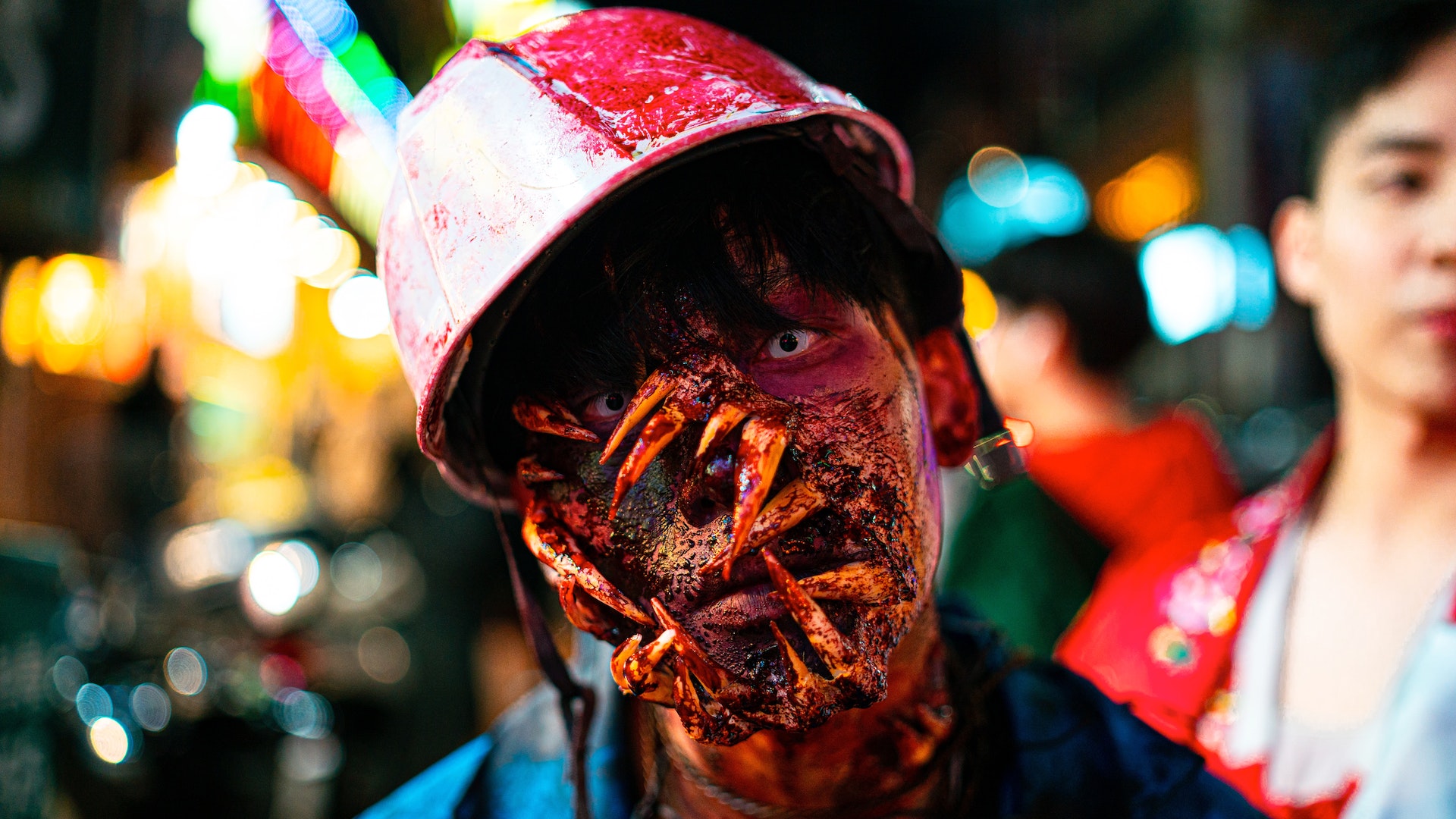
The rise of zombies in pop culture has become a phenomenon thanks to shows like The Walking Dead and movies like 28 Days Later and Zombieland, and that has led many to believe that a zombie apocalypse really could happen (not really).

In fact, the social media world was aflutter when it was rumoured (falsely) that 16th-century philosopher, Nostradamus predicted that in 2021, a Russian scientist would create a biological weapon and produce a virus that can turn humans into zombies. Even the CDC got in on the gag by sharing tips on how you can be “zombie ready” in case of an attack.

And, with Halloween around the corner, and zombies the talk of the town, it got some wondering if zombies really were to take over, how prepared would Canadian cities be?

Casino en Ligne (an online casino) has identified the best and worst Canadian cities for surviving a hypothetical zombie apocalypse in 2021. To compile the list, the online casino company analyzed 24 cities using seven different factors including the number of hunting and outdoor gear stores (obviously), hospitals, military bases, the number of homes with basements (hmm).

According to most zombie experts, and, of course, Zombieland, the best way to kill the undead is with a shotgun blast to the old cranium, destroying the brain. Spiked bats are also a good option.

With its 384 hospitals and seven military bases, Ottawa has been named the most likely city to survive a real-life night of the living dead scenario while Montreal and Edmonton earned top scores for having the most homes with basements (and more places to hide). With the highest number of hunting gear stores (304), it’s no surprise that Montreal residents would also be better equipped to defend themselves in case of an attack.

Toronto residents should rest easy, if zombies were to make their way down the 401 into town we would fair better than most. Ranking second on the list thanks to the high number of hospitals and a decent solar energy index score.

Mount Pearl, Newfoundland ranked dead last in the likelihood of surviving an attack against the undead. Joining them at the bottom of the list: Iqaluit, Nunavut, and two cities in Prince Edward Island: Charlottetown and Summerside.

You can read the full list below of where you should head in the event of an undead uprising.

Best cities for surviving a zombie apocalypse:

1. Ottawa
2. Toronto
3. Mississauga
4. Calgary
5. Edmonton
6. Montreal
7. Quebec City
8. Vancouver
9. Victoria
10. Winnipeg

Worst cities for surviving a zombie apocalypse:

1. Mount Pearl
2. Iqaluit
3. Charlottetown
4. Summerside
5. Whitehouse
6. St. John’s
7. Yellowknife
8. Moncton
9. Dartmouth
10. Fredericton

If one happened to be looking to do more personal preparation for the impending attack, check out our archived guide and gird thyself. Good luck!

Little Italy laneway home sells for record-setting price

0
Michael Peart

A laneway home in Little Italy has set a new record for the area after selling for $4,985,000.

The property at 24 Treford Pl. sold in August 2021 for exactly its asking price, becoming the highest selling price for a freehold, detached single-family property in the downtown west area of Toronto, according to real estate agent Paul Johnston of Right at Home Realty, who brokered the deal.

“It’s interesting that the most expensive property in the neighbourhood was also the most unique and distinctive,” he said.

Laneway home
Photo: Michael Peart

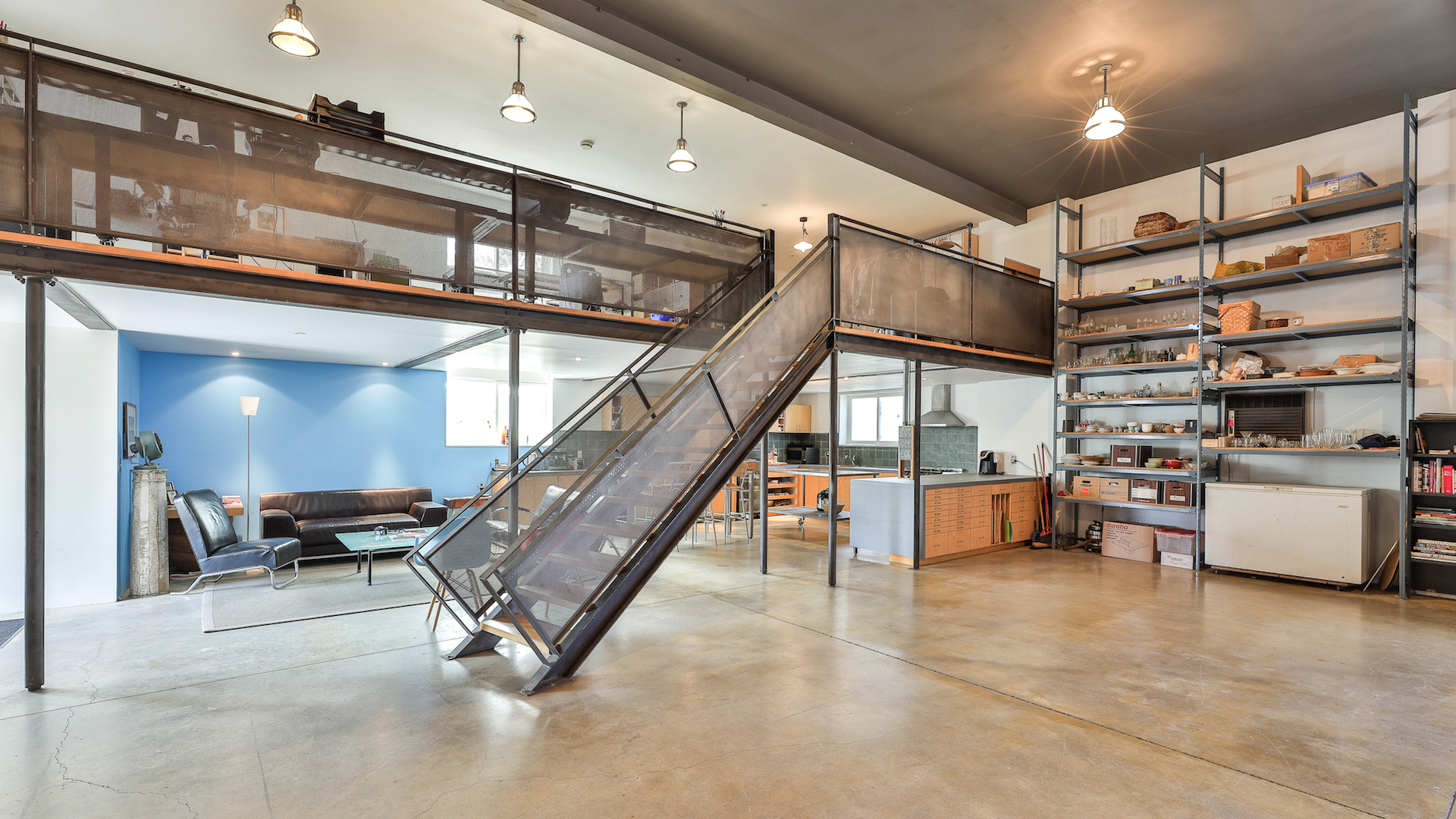
Johnston said the property’s uniqueness was a major factor in its sale. The 70-by-103 foot area has three bedrooms, four washrooms, five parking spots and a high-ceiling studio space, as well as a courtyard garden and a sauna.

The property is tucked away amid four laneways near College and Clinton, which also added to its appeal, Johnston said.

He said laneway homes are gaining popularity after city guidelines have made them easier to build, but this property is set apart from others since it is not an appendage to another property.

“There’s enormous interest in laneway properties, but the vast majority of them are much smaller, rentals and can’t be severed [from the main unit],” he said. “That makes this [property] even more special.”

Photo: Michael Peart

Johnston said a property like this one only comes about every few years, so he wasn’t surprised that it got the price it did as buyers recognize its rarity.

He said the buyer is “creative by nature” and plans to use the space as is, rather than tearing it down to build something new.

Real estate agent Philip Kocev with iPro Realty said the selling price makes sense given the size of the property.

He said the property takes up about five typical houses in the area that might be for up to $1.5 million each, so a price tag near $5 million fits the bill considering what the buyer is getting.

Photo: Michael Peart

“To be able to have that amount of space within the proximity to downtown … you just wouldn’t be able to find that,” he said. “That’s a big driver of the price, and then the coolness of the space, something that’s trendy and lofty, people appreciate.”

Kocev said the property offers a lot of opportunities, including the potential to densify it to create more units or to use it as a workspace.

“It’s a cool space with future potential,” he said.

One of Toronto’s most exciting new Chinese food restaurants is now open in Yorkville and we’ve got the scoop on the best dishes

0
The dining room at Mimi Chinese.

Mimi Chinese opens today (Oct. 21) at 265 Davenport Rd in Toronto’s vibrant Yorkville neighbourhood.

Mimi Chinese brings a high end service style while still embodying the fun and playful energy we all know and love from sister restaurant, Sunny’s Chinese. The atmosphere at Mimi’s features dimly-lit nooks flaunting deep shades of red. With its plush red velvet dining booths, Mimi Chinese evokes memories of one of Toronto’s first big Chinese restaurants, Lichee Garden.

The Food

The menu includes large sharing plates, as family-style dining is big in Chinese food culture, and has been divided into several sections. All of the dishes can be expertly paired with wine, sake, and signature cocktails.

Mimi’s restaurant concept and menu places emphasis on the southern regions of China, particularly Guangdong, Sichuan, and Hunan. The Raw & Cooling section features a smacked cucumber salad tossed with wood ear mushrooms, chrysanthemum, and Shanxi vinegar, as well as a scallion and ginger scallop made with soy broth and a Kuai style red sea bream served with ginger, cucumber, and soybean. In the Savoury & Warm section, expect to find pork and scallion dumplings done in red chicken oil, shrimp toast with hot mustard mayo, and salt and pepper squid.

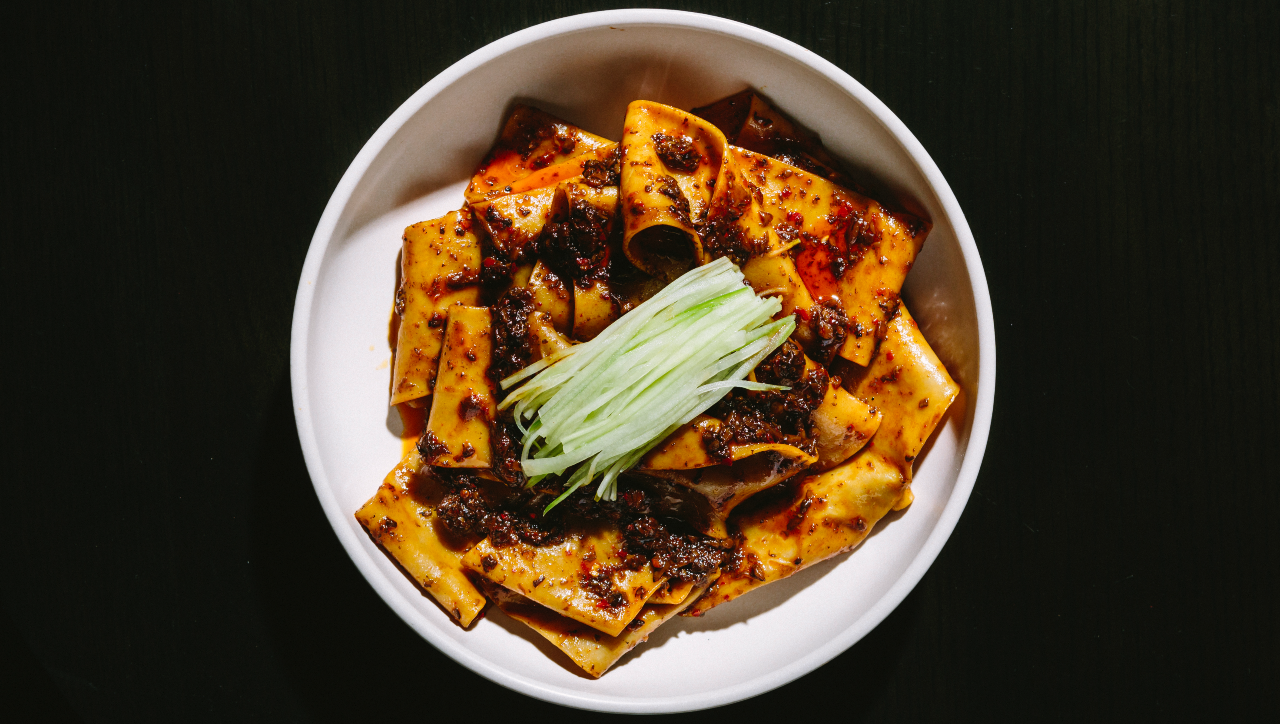
The Four Foot Belt Noodle ($24) is a dish that honours Shaanxi Province and showcases house chilies oil, mushroom, and cucumber.

A selection of chef’s specials highlighting cuisine from all three regions in China spotlights everything from the ever-popular black pepper beef done with an 18oz ribeye, to house char siu (roasted pork) served with wildflower honey and caramelized soybeans. Noodles, rice, and sautéed vegetables are also all on the menu, including a chilled pumpkin and snow melon combo. 

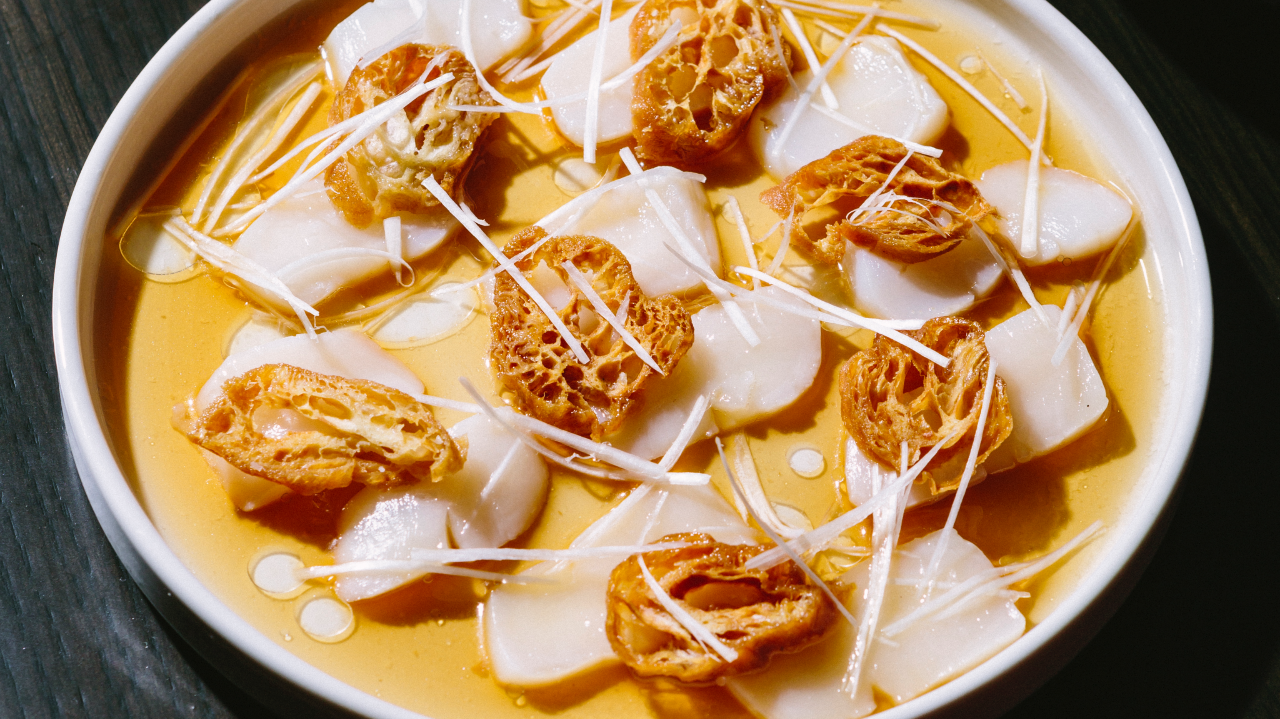
The Scallion & Ginger Scallop ($24) is a dish that pays tribute to the Guangdong Region and highlights scallion oil, soy broth, and Chinese donut.
The Hunan Chili Sea Bass ($62) is covered in house fermented chilies, fujian wine, and flowering chive.
Mimi Chinese’s Supreme Fried Rice ($28) isn’t your typical fried rice. It features dried scallop, salted egg, lap cheong, and for an extra $10, you can supplement 20g salmon roe.

Reservations at Mimi are now open to the public and can be booked by clicking here.


These terrifying horror movies were filmed right here in Toronto

0

Halloween is today, and it seems about the right time get into the spirit by re-watching some of the horror flicks that were shot right here in Toronto. Here’s a truly spine-tingling roundup of horror flicks that you may recognize.

Urban Legend


View this post on Instagram


A post shared by MovieLocate (@movielocate)

The University of Toronto moonlights as the fictional Pendleton University in this 1998 classic. Most recognizable is Rotman School of Management’s Fleck Atrium where Tara Reid’s character gets chased down the stairs by a masked killer.

Carrie


View this post on Instagram


A post shared by MovieLocate (@movielocate)

Northern Secondary School hit the big screen in this 2013 film adaptation of Stephen King’s 1974 novel of the same name. The school’s distinct architectural features can be seen as Carrie waits for her mother. The entire remake of this 1972 classic was filmed in and around Toronto.

Prom Night

Starring “scream queen” Jamie Lee Curtis, this 1980 slasher film features Don Mills Collegiate Institute as “Hamilton High School” and the Scarborough Bluffs appear in a scene involving an out of control van.

IT


View this post on Instagram


A post shared by MovieLocate (@movielocate)

In another Stephen King adaptation, the interior of Riverdale’s historic Cranfield House is shown in this scary clown flick. The majority of the movie was actually filmed in the small town of Port Hope, Ontario as well as in Toronto.

Murder By Phone

This 1982 science fiction slasher film is considered to be one of the great forgotten Toronto horror films. A pay phone rings on an eerie TTC subway platform, but don’t answer it if you want to live!

Videodrome


View this post on Instagram


A post shared by MovieLocate (@movielocate)

One of the most iconic horror films that were filmed across Toronto is David Cronenberg 1983 masterpiece, Videodrome. You’ll notice some Toronto locations such as the Factory Theatre, the Financial District and along Queen Street East and Cherry Street.

For more movies you didn’t know were filmed in Toronto, click here. 

Bullying and harassment personal injury

0

See all posts by Diamond and Diamond Lawyers

Bullying and Harassment Personal Injury

As we adjust to new normals, whether that means back to school, back to the office, or just back to the busyness of fall, Diamond and Diamond Lawyers wants to remind you that bullying is not only an issue that occurs on the schoolyard – it can be a problem in the workplace too.

More often than not, bullying is seen in the form of non-stop harassment, insults, intimidation, and even wrongful dismissal. This kind of mistreatment – no matter the age or gender of the victim – can have detrimental effects that are long-lasting.

To help shed light on this very serious issue about which many Canadians are unaware, leading personal injury law firm, Diamond & Diamond, is here to remind you that bullying is never OK and there are things you can do if you find yourself or someone you know being targeted. The firm’s leaders, Jeremy Diamond and Sandra Zisckind, help break down bullying and harassment personal injury:

What is bullying?

Bullying can take many forms. It might be through name-calling, where the person being bullied calls the other person names or tries to hurt them physically. Other times, bullying can occur on social media or through other methods to spread rumors or attack someone directly.

“Bullying is a major issue in our schools, communities, and workplaces. As a parent and an employer, it’s important to make sure everyone knows how to identify bullying behaviours so that we can work together to stop it” shares Sandra Zisckind.

Common Types of Bullying

Physical Bullying – This can include any inappropriate physical contact like poking, pinching, coercing, hitting, or stealing belongings.

Verbal Bullying – This form of harassment might include name-calling or making negative comments about someone’s race, ethnicity, sexual orientation, gender, etc.

Cyber Bullying – This form of bullying consists of using the internet, social platforms, or even text messages to hurt or intimidate someone.

Social Bullying – This can include scapegoating or excluding someone from a group for personal reasons.

“Bullying can take many forms. If you are the victim of bullying behaviour, speak up. We’re here to listen.” – Jeremy Diamond.

Personal Injury and Bullying

Bullying can have long-term physical and psychological consequences for victims, perpetrators, and others involved in the bullying process. No one knows this better than Diamond and Diamond lawyer, Darryl, Singer, who defended a victim of racist bullying and harassment in 2019. (More information via CBC is here.) Some studies show that victims of bullying are more likely to engage in risky behaviour, such as drug use and alcohol abuse later in life.

In fact, one in five kids (aged 13 to 17) will be bullied at least once in their lifetime and more than half of them will go on to develop one or more mental health problems, such as stress disorders, depression, eating disorders, or anxiety disorders, according to new research. Diamond and Diamond lawyer, Darryl Singer,

Take Action Now

Bullying is a serious crime and perpetrators can face a fine or even jail time. If you have been on the receiving end of bullying, the time to take legal action is now.

Diamond and Diamond has a zero-tolerance policy for bullying or harassment of any kind at their workplace – whether in the office or online. The firm offers multiple services for victims of harassment, including personal injury law help, employment law support, and crisis intervention. Diamond and Diamond fights for anyone who has been victimized due to their size, race, religion, sexual orientation, etc.

If you are being bullied or harassed, help is available. Speak to an expert at Diamond and Diamond anytime at 1-800-567-HURT.

About Jeremy Diamond

Jeremy Diamond is a lawyer and member of both Ontario and Florida Bars. Jeremy practices in the area of Plaintiff personal injury litigation. Click here to learn more about Jeremy Diamond.
Toronto’s latest wine bar comes stocked with artsy tapas and plenty of imported bottles

0
Tomyum Restaurant and Wine Bar

Currently in soft-launch mode, the grand opening of Tomyum Wine Bar is tentatively set for Oct. 20.

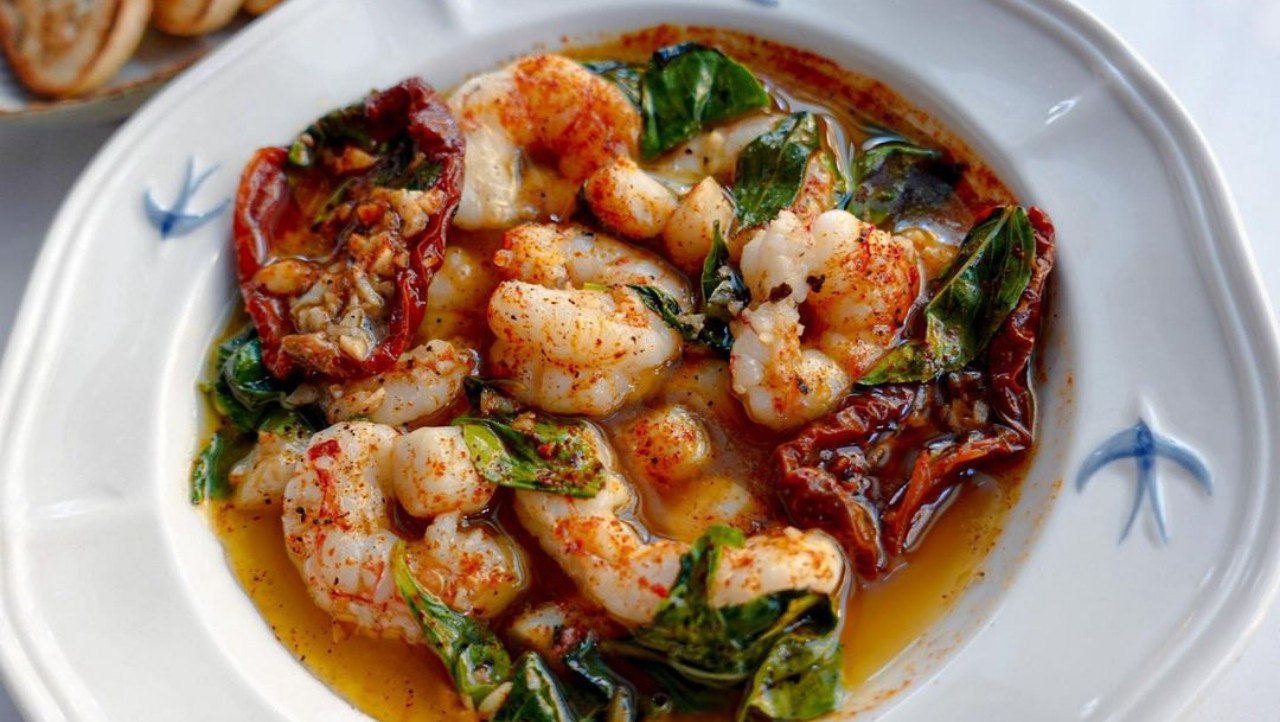
Located at 21 Grenville Street, near College subway station, former accountant turned chef and owner, Andy Page, was inspired to open Tomyum after living in Europe and travelling across Southeast Asia, and he knew he had to bring the worldly flavour combinations he encountered during his time abroad to Canada. He’s joined by sous chef Carl Recolaso from wildly-popular Saskatoon-based restaurant Ayden Kitchen and Bar, Jonathan Kim, former lead bar chef at Toronto’s JaBistro, a sushi spot in the Entertainment District, and Petra Taylor, who handles all things front-of-house. The chef trio takes popular Euro-centric dishes like Spanish garlic shrimp, fusing them with staple Asian spices, garnishes, and sides like Thai basil, green curry, tom yum, and rice.

Swing by for small plates stacked with Southeast Asian flavour like the whimsical sounding Wizard of Oz dish. Aptly named for its multi-dimensional green hues, this unique twist on a standard seaweed salad includes beans, house-made yuzu cream and chia seeds. Looking for something heartier? Their most popular dish, Little Bird Nest is inspired by traditional Thai dish Pad Krapow Moo and is artfully plated to show off a colourful mosaic of pink running eggs, purple rice, and ground pork.

Dining is indoor-only but features a highly Instagram-able interior, blending street art with Southeast Asian influence through several mural adorned walls.

When you’re done snapping pictures, order a glass of ultra-exclusive old-world wine like the Black Mont Rubi, a young and lively sip with an intense purple hue and blackberry finish. There are only five cases of this Spanish red available in Canada and Tomyum scored four of them. Fancy yourself more of a cocktail aficionado? Don’t fret! Tomyum also offers three innovative and Instagram-worthy cocktails that are almost too picture-perfect to drink.

You can come by for a dimly-lit dinner Tuesday to Saturday from 5 p.m. to late.