
Home Blog Page 457

Toronto’s top doctors share why they are not ready for indoor dining

0

Stage 3 of Ontario’s reopening has allowed bars and restaurants to serve diners in indoor and outdoor space at a reduced capacity. Over the last few weeks, maskless mingling appears to have driven up Toronto’s COVID-19 infection rate and, as a result, doctors recommend proceeding with caution when dining out.

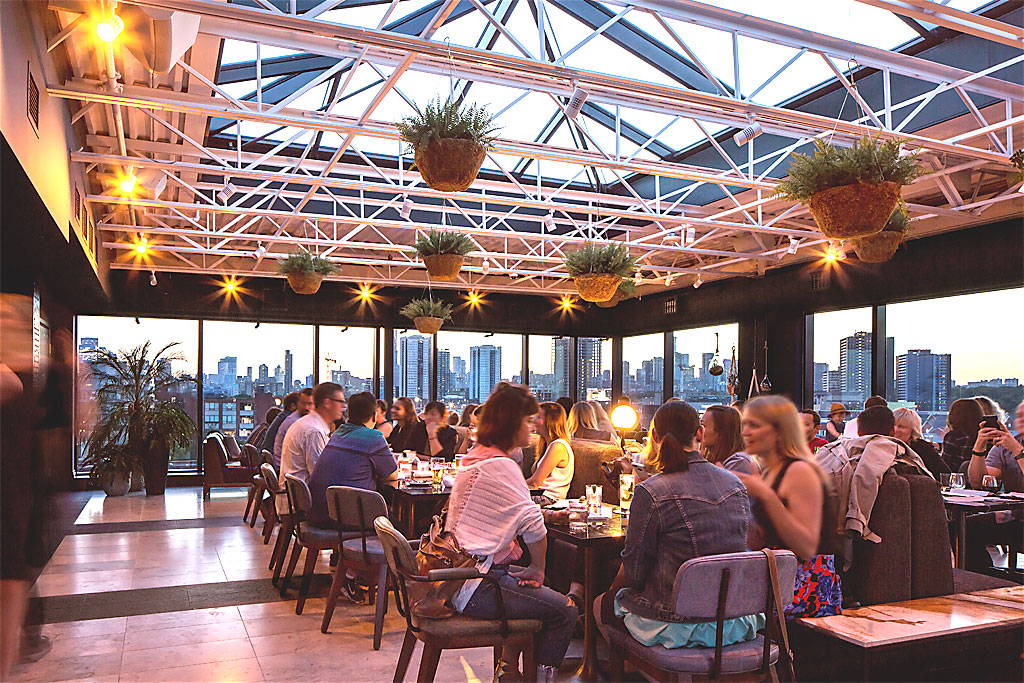
Dr. Susy Hota, Medical Director of Infection Prevention and Control at the University Health Network, advises strongly against dining in enclosed spaces. “I avoid indoor dining. We’re still in a pandemic, and so I weigh the risks against the necessity and benefits of everything I do. Dining out means taking off your mask for typically more than an hour in a closed environment with strangers around you. Even with distancing of tables and servers wearing masks, it presents more risk than several other activities (such as shopping) with masks on.”

“One of the most important factors to consider for indoor dining is the local epidemiology. How common is COVID-19 in your neighbourhood? Right now, COVID-19 cases are rising in my area, so I am not keen on partaking in any indoor dining. I also have young, school-aged children so there are many reasons why I would not want to risk an exposure to COVID-19 this fall,” she says.

Before dining at a restaurant, Dr. Hota suggests checking out what the restaurant is doing to prevent COVID-19 infections. Do a little research before your visit to make sure the restaurant is doing the best it can with masking policies, spacing of patrons and cleaning practices. “You should limit the time you are in the restaurant. Choose a place that is large and in a newer building, if possible. Good ventilation is important for COVID-19 prevention and small restaurants in old buildings may not be able to provide adequately ventilated spaces. Most importantly, trust your instinct. If you get a bad feeling about how things are going, politely pay your bill and leave!”

The doctor is not against takeout, however, to support your favourite restaurants. “I have taken advantage of these options, so I can continue to enjoy the amazing culinary offerings of my city as well as support restaurants that are taking a hit during the pandemic.”

Dr. Michael Gardam, Infections Disease Specialist and Medical Director of Infection Prevention and Control at Women’s College Hospital holds similar opinions. “To be honest, I have not been inside a restaurant since March and likely won’t do so until I’m vaccinated. Each time we are around others, there is a risk of contracting the COVID-19 virus. I am not a huge restaurant person to begin with and in a situation like this, I’d prefer takeout meals more than I normally would to help keep places going.”

Dr. Gardam also points out the risks of moving indoors this fall season. “We do need to think that our cases have been steadily rising over the past three weeks and now with schools and universities reopening, we will see many more cases in the coming weeks. The risk of going to restaurants will increase as well, especially if indoors.”

He further reminds diners, “We are not back to normal yet and likely won’t be for another year or more.”

“People should ask themselves whether going inside a restaurant is worth the risk to them and to those around them,” he adds.

Dr. Sumon Chakrabarti, Infectious Disease Specialist at Trillium Health Partners, however, appears more optimistic. “While we have seen transmissions associated with restaurants and bars, at least in Ontario, they have been relatively minor. This suggests that for the most part, these establishments have been able to abide by public health regulations. But there is some elevated risk now that there will likely be more indoor dining. So, the need to maintain physical distancing is more important than ever.”

Dr. Chakrabarti also suggests you keep a log of which restaurants/bars you visit in case you are part of a contact tracing investigation to help with recall. “Remember, if you are done eating, put your mask on, pay your bill and leave at once. Be aware of physical distancing both from other patrons, and from people at your table (if they are not in your social bubble). In terms of COVID-19, there is a lower risk of transmission when outside, so eating at patios is always preferable, given they are equipped with portable heaters.”

Popular Jamaican restaurant closes temporarily in Toronto after employee tests positive for COVID-19

0
Chubby's Jamaican Kitchen

Chubby’s Jamaican Kitchen, a culinary staple for home-style curries and melt-in-your-mouth patties, has temporarily closed its doors until further notice, after an employee tested positive for COVID-19 last week.

The restaurant broke the news via social media on Sept. 21st, stating that the staff member, whose last shift was on Sept. 17th, is currently quarantined at home.

“During these challenging times, we believe transparency is the only way forward,” Chubby’s wrote via Instagram. “While not mandatory, we have immediately closed our restaurant until further notice as our guest and team member safety will always be number one.”
There has been no mention of a set re-opening date, and takeout meals from Chubby’s Jamaican Kitchen can no longer be ordered from popular delivery service, UberEats.

The restaurant has expressed optimism that this was an isolated incident, as no other team members are experiencing symptoms of the virus.

Regardless, the entire staff at Chubby’s is currently in self-isolation, and must present proof of a negative COVID-19 test before they’ll be permitted to return to work.

“We will only re-open when we feel it is safe to do so, and only with team members who have tested negative,” Chubby’s reiterated via Instagram.


View this post on Instagram


A post shared by Chubby’s Jamaican Kitchen (@chubbysjamaican) on


Before it reopens to the public, Chubby’s will also undergo professional sanitization to ensure no surface contamination is present, and to guarantee a safe dining experience for all dining patrons.

Throughout the course of the COVID-19 pandemic, as hundreds of Toronto restaurants and eateries shuttered their doors, some forever, Chubby’s worked relentlessly to reinvent itself under extraordinary circumstances that none in the hospitality industry could have predicted.

Even when its own doors were forced shut in early March, the restaurant continued to provide social media updates to its loyal customer base, whether that meant constantly posting tantalizing, visual reminders of signature Caribbean dishes or engaging with followers via contests and giveaways.

With enhanced training for staff and new health and safety protocols in place, Chubby’s managed to re-open for takeout and delivery on Apr. 1st, just weeks after initially shutting up shop.

Then, in mid-May, the restaurant took its food delivery services one step further, and launched Chubby’s Marketplace, an online, one-stop-shop for grocery delivery to those wary of long lines, or crowded grocery stores—their signature mango pepper sauce and house-made lemon vinaigrette were even included, alongside their specialty jerk chicken marinade, further allowing diners to try their own hand at making their favourite dishes from the comfort and safety of their own homes.

On July 26th, Chubby’s opened its extended outdoor patio, and days later, re-opened its first-floor indoor dining area, enhancing the restaurant’s overall volume while allocating the respectful amount of space necessary to practice safe physical distancing.

Currently, as a result of the temporary closure, Chubby’s has modified all existing reservations. In addition, contract tracing details (mandatory for all restaurants in the city) have been shared with Toronto Public Health, and those who may have been exposed to COVID-19 after dining at Chubby’s will be notified.

“We thank everyone for your support during this trying time and look forward to welcoming you back to our little island escape at 104 Portland St. very soon,” Chubby’s concluded.

Condo of the Week: $5 mil for a modern ‘wellness pad’ with an infrared sauna in the Fashion District

0
500 Wellington St.
Michael Peart | Instagram: @michael_a_peart (All photos)

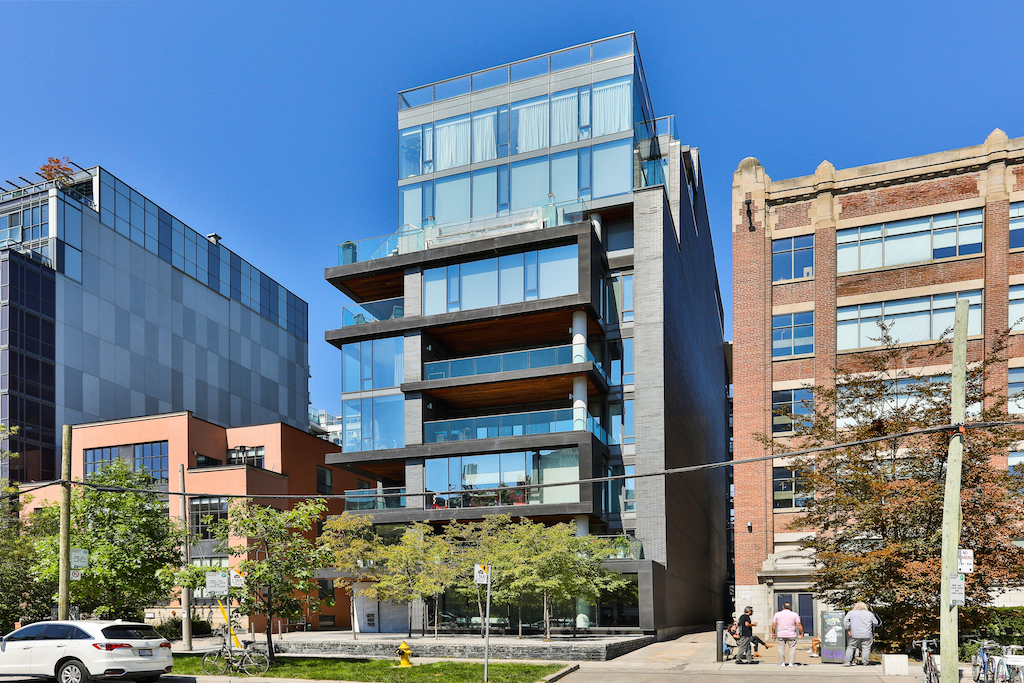
Unit 901 at 500 Wellington St. W. is a condo and wellness retreat all-in-one. Not only does it have a spa-like ambiance, but this listing was thoughtfully designed with chemical-free materials and unique features during its two-year renovation. For instance, it has clean filtered air thanks to the customized air purification and integrated aromatherapy system.

The luxury building is located in the Fashion District and has just 15 other residences. It comes with two bedrooms, three bathrooms and is listed for $5 million.

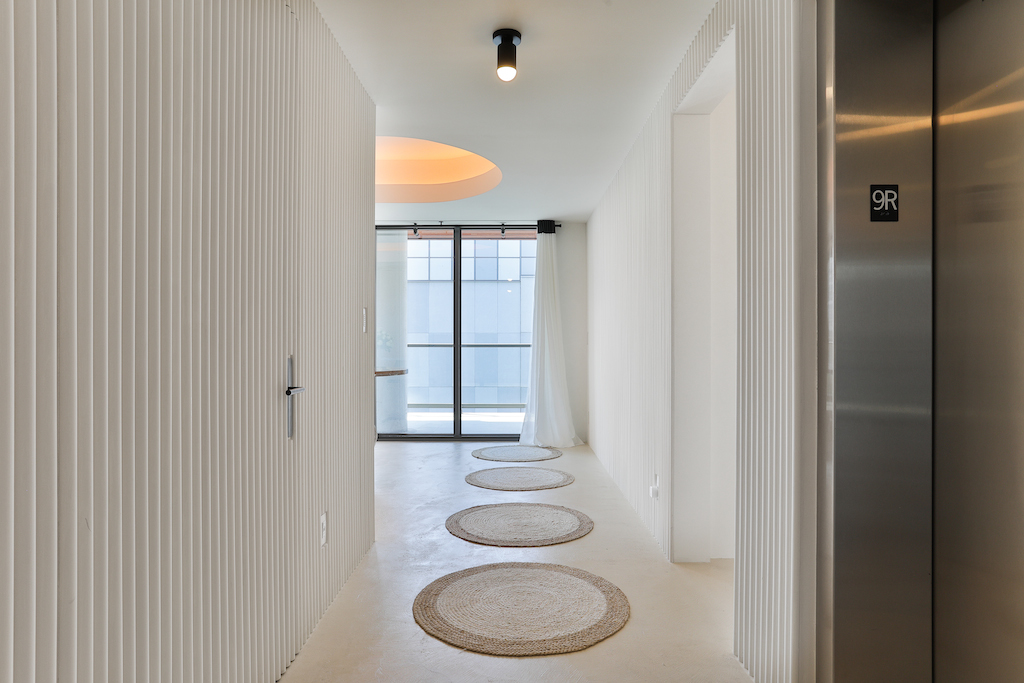
Direct elevator service brings you into the foyer, which quickly leads into the kitchen.

It’s comes with a massive island, two fridges, and double oven.

500 Wellington St.

Floor-to-ceiling windows allow lots of light to flood into the shared dining area. The 10-foot-high ceilings are custom designed with cove ambient lighting.

500 Wellington St. 500 Wellington St.

The kitchen and dining room provides access to the 70-foot-long terrace, which boasts west-facing views. 

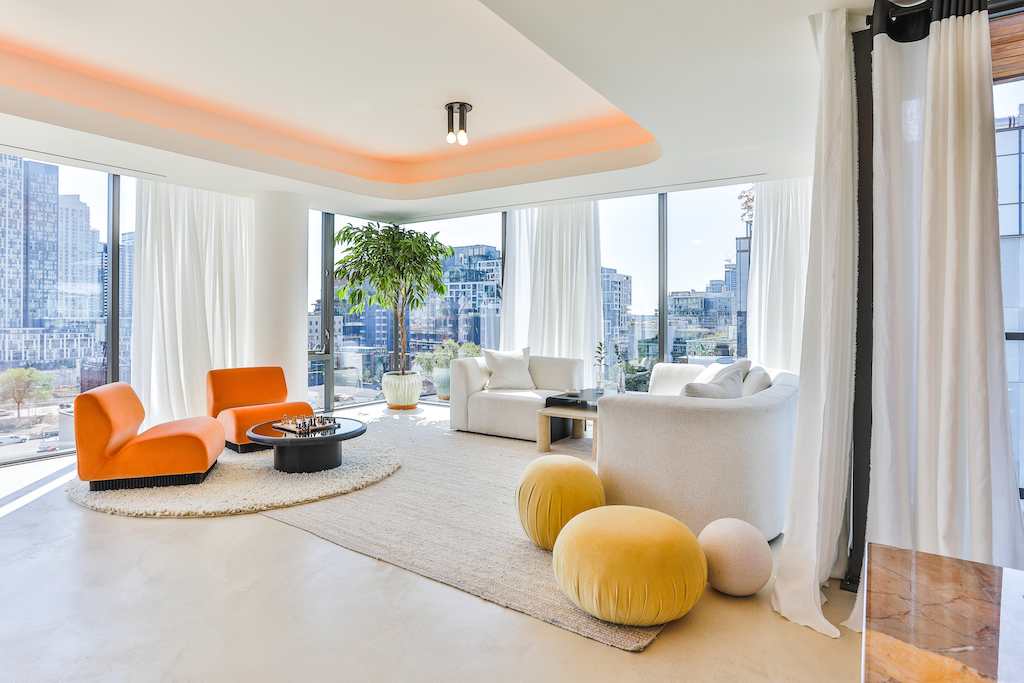
Here’s a look at the posh living room:

Around the corner from the kitchen is the family room, where a wall-sized bookshelf catches the eye.

500 Wellington St.

500 Wellington St.

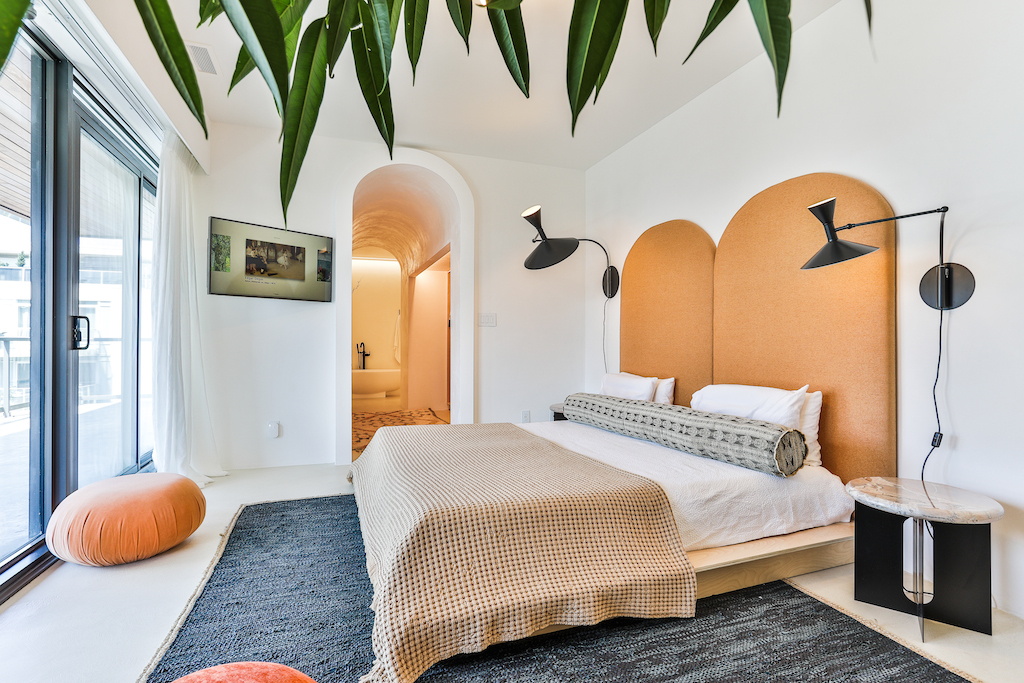
The master suite provides additional access to the terrace.

500 Wellington St.

500 Wellington St.

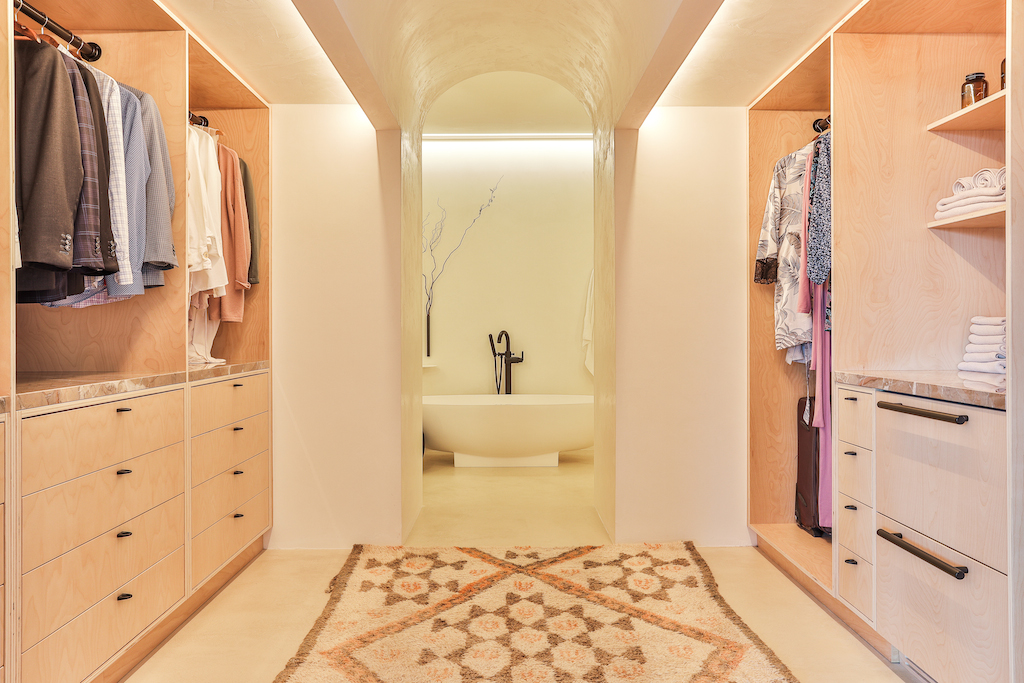
An arched doorway leads to the massive closet.

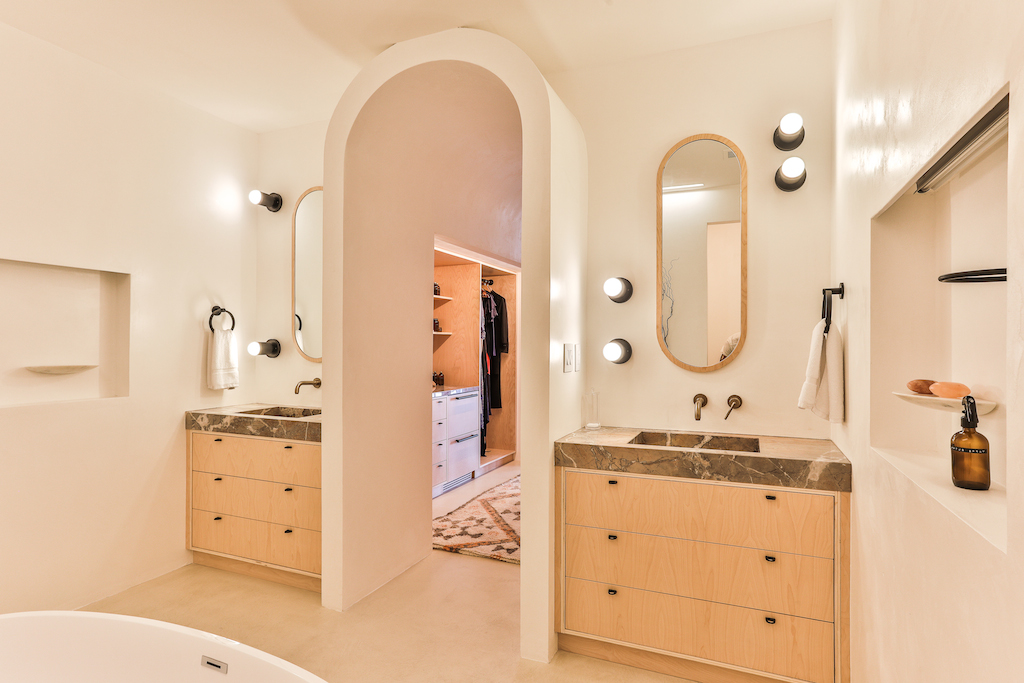
Two marble vanities and a soaker bathtub can be found in the ensuite bathroom.

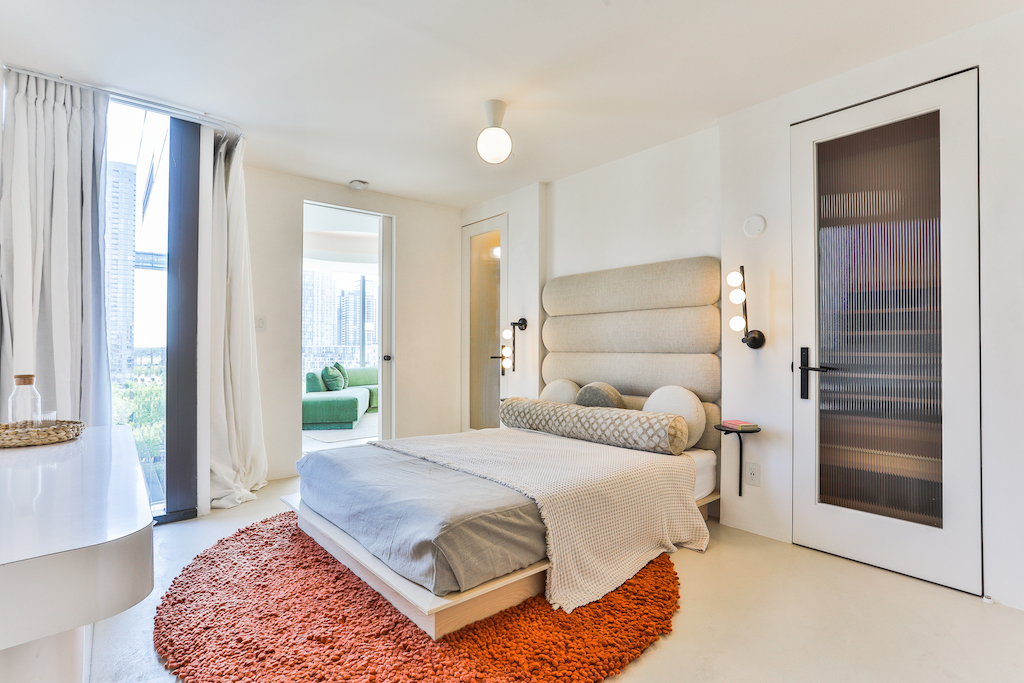
The second bedroom is equally serene and can be accessed from the family room.

It connects to its own infrared sauna.

And here’s a look at the three-piece ensuite bathroom, complete with a steam shower.

The unit also comes with an organized laundry room.

Unit 901 at 500 Wellington St. W. is listed with Janice Fox of Hazelton Real Estate Inc.

How Diamond and Diamond Lawyers maintains gender and race equality

0

See all posts by Diamond and Diamond Lawyers

An interview with Liana Saccucci, Office and HR Manager

What is your role with Diamond and Diamond and how long have you been at the company?

I have been with the company for seven years since the inception of Diamond and Diamond Lawyers under Isaac, Jeremy and Sandra’s leadership. Before joining the team, I worked with Sandra as her law clerk at another firm and followed her when she merged with her brother and husband. I’m Diamond Law’s Office Manager and HR manager. All hiring goes through me as well as the office ins and outs, payroll and the day to day issues or non-issues.

You’ve been integral in building this team up from the bottom – tell us your secrets! How do you maintain Diamond and Diamond’s diverse workforce and culture?

When I look at your resume, I already know if you’re qualified enough. The interview isn’t about knowing your skills – I’ve read your resume; I know where you went to school. If you were a clerk somewhere else, then you can be a clerk here. We’re not splitting the Atom. I’m meeting you in an interview setting because I want to see what your social skills are like and how you speak – can I put you on the phone with a client? Did you make eye contact with me? Were you polite? Were you rude?

These days, many HR professionals purposefully employ blind interviewing techniques to ensure there are no biases. For me, this has always been intuitive; I never Google a candidate before they walk through the door.

And when it comes to fit, culture is everything. Diamond and Diamond is a law firm and workplace that values diversity – not just in terms of race and culture, we adopt a broad definition of diversity. We know that if you bring a unique perspective and life experience to the table, you’re going to be an asset to our organization and therefore a great fit here. Our clients come from all walks of life, so the more diverse we are, the better we’re positioned to service them. We want our workplace to reflect the city and the country we do business in.

Are there any defining characteristics that come to mind when you describe the Diamond and Diamond culture in the office?

Openness – even when it comes to the charities we support. If somebody walks into my office and says “Hey! I just got introduced to this charity and I think it would be a great initiative for Diamond Law to support.” We almost always say yes. Whether it’s for Black Lives Matter, the Daily Bread Food Bank, or a Jewish community – we support any cause that we feel passionately about. Our employees who suggest the initiative spearhead our support while keeping me in the loop. In my experience, putting your name behind diverse activities and charities is always a win.

When it comes to how the team breaks down, how many are visible minorities? How many are women?

Three women at the firm are in senior leadership roles – Sandra is Managing Partner, Diana is the right hand to Jeremy Diamond, and I’m the HR Manager and Office Manager. All of us have important roles when it comes to leading the ship. Additionally, 40% of our overall staff are visible minorities – which is higher than the population of visible minorities in Ontario. Once you add the women, we jump to 67%. I’m really proud of our diversity especially considering the fact that we’re in a predominantly white male industry. Ultimately, no matter who you are, where you come from, the colour of your skin or your gender, there truly is a balance of ability.

Does a diverse team help in your ability to service your clients? Is there any business impact?

When you have a team that reflects the diversity of Canada, it means that everyone who walks through our door sees people they can relate to in some way. We also have staff members who speak many different languages. If there is a client where speaking English is a barrier, there is always someone from our team who is able to jump in and help with the translation.

Do you have any tips to offer other companies that want to take steps towards a more diverse workforce?

Stay open. In my experience, diversity has never been something I’ve had to think about because it has always happened naturally. Blind interview techniques are a great way to train yourself to stay open. Look at resumes when you sit down with the candidate – this keeps the interview flowing a lot more because there’s no thought of “oh, I’m going to ask them this, that and the other.” Let’s talk about your resume for the first time together.
[broadstreet zone=”68710″]

Drake fans can now piece together their own puzzles of the Toronto rapper

0
Drake puzzle

Toronto photographer Caitlin Cronenberg’s award-winning images are now available in puzzle form. Cronenberg is releasing a series of art photography puzzles, including two featuring Drake, in limited edition quantities (100 of each print). Each 1,000 piece puzzle is signed and numbered too, so you can frame the finished product or hang onto the box as part of an art collection.

Cronenberg is releasing four different puzzles that can be pre-ordered through the artist’s website. The puzzles are priced at $100 for pre-order and increase to $129 on Oct. 1 when the puzzles go on sale to the general public.  The puzzles are a limited series and will not be reprinted once sold.

Two of the puzzles feature Toronto rapper Drake, one of which is the cover of his album Views, which was shot by Cronenberg. The other two puzzles are entitled Goldfinger, and Photo Call.


View this post on Instagram


Introducing NEW art photography PUZZLES! These premium jigsaw puzzles are a limited edition item with only 100 of each photograph available. The puzzles are 1000 pieces and come with a signed and numbered label to affix to the back of the completed puzzle should you wish to frame it, or to keep in the box with the unassembled pieces. A perfect activity to do with family or friends! Puzzles make a great gift for birthdays, holidays or host gifts at a socially-distanced dinner party! Puzzles are available for PRE-ORDER right now! $100 CAD Special Pre-Order Price $129 CAD as of October 1st, 2020 Once they’re gone, they’re gone! COLLECT ALL FOUR! Show me your finished masterpieces! Tag @caitcronenberg and #caitlincronenbergpuzzle Link in bio and stories!

A post shared by Caitlin Cronenberg (@caitcronenberg) on


Caitlin Cronenberg is an award-winning fashion photographer with works featured in several major publications, including Vogue, Esquire, Harper’s Bazaar, and most major Canadian newspapers. Cronenberg is a Toronto-born artist and is a large part of the Toronto International Film Festival acting as a portrait photographer.

To pre-order a Cronenberg puzzle visit the artist’s website or follow Cronenberg on Instagram.

Four COVID cases reported at Rebel nightclub in Toronto

0
Ink Venues

A COVID-19 outbreak has occurred at Toronto’s REBEL nightclub after four people have tested positive for the virus.

Toronto Public Health (TPH) made the announcement Friday, explaining that the outbreak is linked to Rebel’s Noir event on Sept. 11 that occurred between 10:30 p.m. and 2 a.m.

“Anyone who was at the night club during this time may have been exposed to COVID-19,” TPH said in a statement.

TPH is advising anyone at the club at that time to monitor themselves for COVID-19 symptoms until Sept. 25, practice social distancing and wear a mask in public.

The health authority is also following up with close contacts of the positive cases based on contact tracing logs and instructing them to self-isolate for 14 days and get tested.

REBEL said in a statement that it had followed health protocols before the outbreak. TPH said it had given the establishment the green light after an inspection on Sept. 18.

“As soon as we were notified of the potential exposure we employed a third party COVID-19 decontamination and disposal service to conduct a thorough clean,” REBEL said in a statement. “We continue to fully cooperate with TPH.”

Public reaction to the outbreak included surprise that nightclubs are still open in the city.


Nightclubs were allowed to open during Stage 3 in Toronto in early August, but under the same rules as restaurants and bars.

COVID-19 cases have seen a significant jump in Ontario recently, with the majority of them in Toronto. On Monday, 425 new cases were reported — 175 in Toronto — up from 365 the day before in the province. Out of Monday’s cases, 67 per cent were from those under 40 years old.

Toronto flag designer recruits local talent to celebrate the city in song

0
Rene DeSantis

The Toronto flag you might recognize flying at the top of flagpoles across the city seems like it has been around forever, but it was actually created in 1974. The winning design selected in a citywide competition was submitted by then 21-year-old George Brown graphic design student Rene DeSantis.

Having already made a mark on Toronto history, DeSantis is back with one more contribution — he co-wrote and co-produced “Feel the Love” Toronto, a song and music video involving local artists meant to celebrate the city.

DeSantis came up with the concept for the song back in 2018 when he was on the committee for Canada 150.

“We probably have over 50 neighbourhoods, and we actually built an event around every neighbourhood,” he says. “I kind of felt there’s a feeling of love in these neighbourhoods and communities, so those were the three words that stuck in my mind.”

When looking for artists to include on the track, DeSantis says they were looking for talent that best reflects the diversity of the city. Artists include Juno-nominated singer Neil Donell, Moosomin nation rapper Kara Jade and Indigenous drum group Eagle Woman Singerz.

“When we created the music and the lyrics, we never imagined it would be released in the midst of this health crisis,” DeSantis says. “But now this serves a second purpose to remind people that we live in a great city and that we’ll get through this thing together.”

He feels he has a strong personal connection with the city, starting from when he was a kid and a student at Northview Heights Secondary School.

“This city did a lot for me. We immigrated here to Toronto, and it gave me my education,” he says.

It’s also impossible to forget that DeSantis has an even more direct connection to the city through the design of the Toronto flag. He still remembers the process of coming up with the design.

“When I did the design, the idea came to me in five, 10 minutes and I put it on paper. It was just a strong concept: it wasn’t a rendering of the city hall, it was more what I learned in school, more of a graphic implementation of the architecture,” he recalls.

DeSantis says having his design chosen for the flag helped him establish his career in graphic design and marketing.

“I’ve done one of the most iconic symbols for the city, and it was hard to get a job as a marketing person or graphic designer back then, so that helped me quite a bit,” he says.

Now his years of marketing experience have led to his role as president of Montana Steele.

Here’s why single-use paper products need a rethink

0
david suzuki

Many people are calling for a just, green recovery from the COVID-19 pandemic. Investing in natural solutions to climate change, restoring damaged and fragmented ecosystems, strengthening the social safety net and rethinking flawed economic systems would make us more resilient to current and future crises.

One concept that could help us shift to ecologically sound economic systems is the “circular economy,” in which the need to extract resources from undeveloped natural ecosystems is significantly reduced or even eliminated. It involves shifting from a take-make-waste society to one where repairing, reusing and repurposing become standard.

When a new phrase or concept is introduced to capture a vision of a better world, industrial interests often co-opt it, attempting to portray themselves as “green.” That’s what the Forestry Products Association of Canada is doing in its response to a report calling into question the vast amounts of boreal forest pulped for toilet paper. The industry group claims forestry in Canada is “part of the circular economy.”

It’s true that in modern mills most harvested trees are used for a variety of products. And it’s true that forests are renewable, in the sense that trees can be cut down and new ones planted. But forests that have been logged and regenerated are vastly different from forests untouched by industrial management.

Roads and landings where timber is piled and collected can leave permanent, cumulative scars. Trees are harvested before reaching old-growth stages, which disrupts provision of habitat and forest nutrient cycles. As industry favours economical tree species, natural forest composition is altered. These practices lead to forest degradation and diminished ecosystem functioning.

Industrial disturbance is also a main driver of the decline of boreal woodland caribou, which are threatened with extinction in Canada. Caribou are an umbrella species that depend on unfragmented forests.

In essence, a circular economy is about ensuring that we live within Earth’s finite limits — the limits within which today’s needs can be met without sacrificing the ability of future generations, including future generations of wildlife, to have their needs met.

Caribou decline is an indicator that ecological limits have been surpassed. In 2012, the federal government directed provinces to limit the amount of forest disturbance in boreal caribou ranges to a maximum of 35 per cent, which would give caribou a mere 60 per cent chance of survival. With few exceptions, forestry operators and provinces have ignored this directive, and caribou populations continue to drop in Canada’s boreal forest.

What needs to change so that Canada’s industrial resource extraction activities can truly be part of a circular economy?

First, limits must be set on the boundaries of industrial activities. Cutting down forests that have never been logged to produce more toilet paper, packaging and other paper products we barely recycle can never be circular, let alone sustainable. The ever-increasing expansion into unfragmented forests must be curtailed. Governments and industry must renew efforts to protect suitable habitat for imperilled wildlife, restore forests where levels of disturbance have driven wildlife decline and find innovative ways to harvest in areas that have already been cut.

Canada is the world’s largest producer of newsprint and northern bleached softwood kraft pulp, a raw material for making paper products. A 2020 draft forest sector strategy for Ontario projects a 35 per cent increase in tissue production and a 25 per cent increase in packaging. The life cycle of forest-based products must be rethought, redesigned and transformed.

We must also redefine the core purpose of our forestry sector from one driven by how quickly it can cut down forests for profit to one that rewards operators for cutting less and producing better products. A true circular economy grows qualities (such as healthy, diverse forests) over time without the need to keep growing quantities (such as number of trees logged) — better, not more.

It doesn’t make sense to destroy much-needed habitat for single- use products such as toilet paper when recycled toilet paper and other alternatives can meet our needs. Canada’s logging industry can’t be considered part of a circular economy until it transforms itself with circular principles at its core.

Four work-from-home hybrids on the market in Toronto

0
3 new st.
3 New St. (Property Spaces)

In this new era of social distancing, properties that combine home and office space have never been more appealing. These Toronto listings were designed to accommodate a large office, retail or clinic space — in addition to a spacious home for that work-life balance.

Five levels with an art gallery

The Victorian build at 194-196 Davenport Rd. has an art gallery and workshop plus a luxe upstairs residence with rooftop terraces overlooking Ramsden Park for $7.25 mil with K. P. Gillen & Co. Realty.


Massive mansion and built-in clinic

The seven-bedroom home at 158 Pemberton Rd. has an elevator, gourmet kitchen and a separate entrance to a medical practitioner’s office that spans 800 square feet. It’s up for $2.4999 mil with Right at Home Realty.


A storefront with an apartment

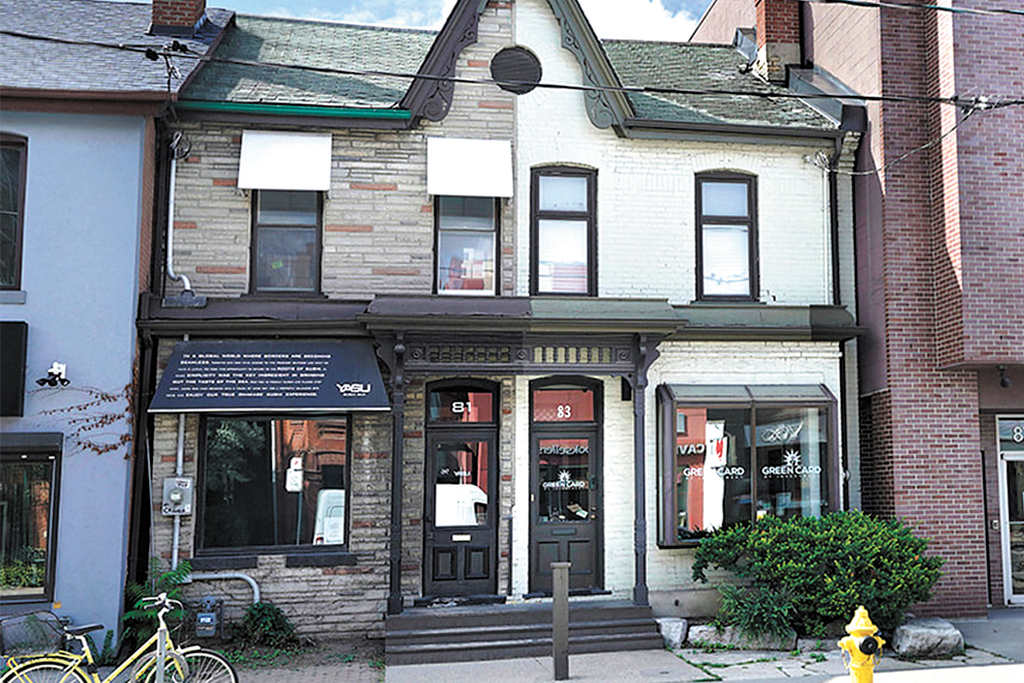
The renovated Victorian at 83 Harbord St. has 1,000 square feet of office or retail space and a two-bedroom apartment upstairs (that is currently tenanted). It is listed for $1.85 mil with Wright Real Estate, Ltd.


Ultra luxe home with office space

The three-storey build at 3 New St. has two offices on the main floor, plus over 3,800 square feet of space with high-end finishes and a rooftop terrace upstairs. It’s listed for $7.1 mil with K. P. Gillen & Co. Realty.

Expert tips from Jane Lockhart on crafting cosy spaces in your home as the temperature drops

0
cosy bedroom

Jane Lockhart is an award-winning designer, TV personality and author. She is also the principal designer of the Toronto firm she founded in 1997, Jane Lockhart Interior Design.


While the cooler weather sets in and outdoor socializing time wanes, it’s time to turn our attention to the great indoors. Here are some tips on how to prepare our homes for the cooler days ahead to prevent boredom and embrace cosy!

1. Texture adds comfort. Add some faux fur throws or pillows to your living room. You can find a great variety in both natural and bright colours. Natural colours are soothing and calming, while bright colours inject fun and energy to your space.

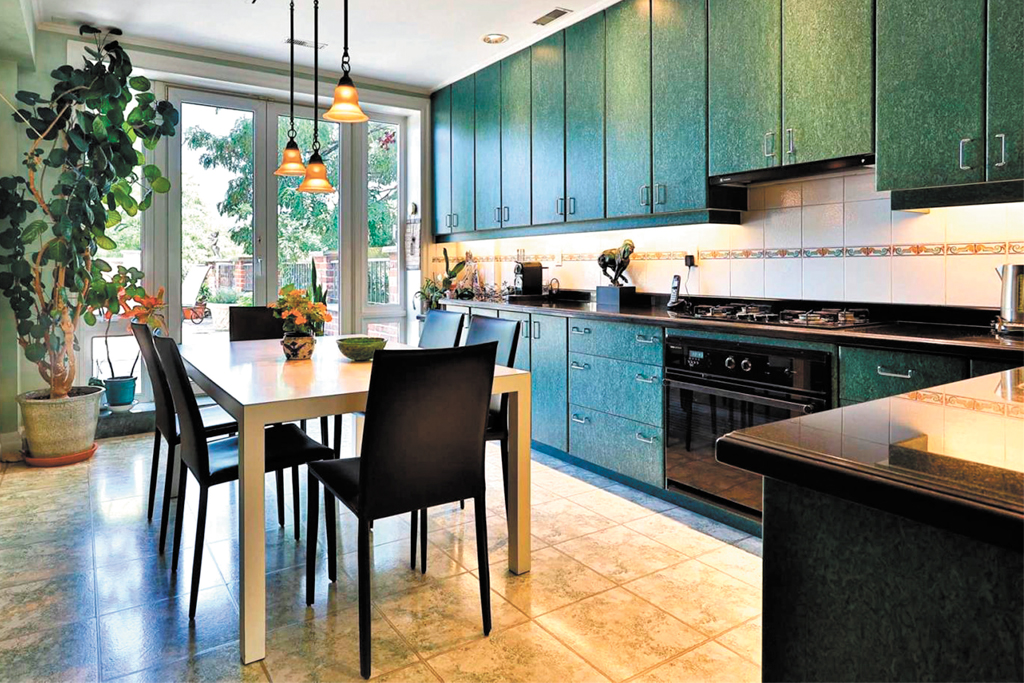
2. Add area carpets in places you wouldn’t expect like in the kitchen to make it more warm and inviting. We spend a lot of time in there so opt for rugs that can handle all that wear and tear. Natural, hand woven rugs are a good option, but a more budget-friendly alternative is a synthetic rug. You can also bring your outdoor area rug indoors. The colour and designs have really come a long way and you can get multi-season use out of one purchase.


Add a rug and under cabinet lighting to your kitchen

3. Add hidden or soft lighting throughout the home. Days get shorter and rooms start to feel darker and longer. Consider upgrading to dimmer switches to give you control over your lighting. I like to hide small LED spotlights in corners, behind furniture or plants and add light to the walls. If you have a bigger budget, under cabinet lighting or stair lights add a lot of warmth and provide added safety on dark days.

4. Texture on walls is surprisingly in again. Today’s wallpaper is easier than ever to install and remove. You can also find a great selection of textures, patterns and colours. Because it’s easier to remove you can change it up more often. If you’re nervous about the outcome, just start by adding it to one wall. If you’re ready for an all-over treatment, base your selection on texture, rather than pattern, in a neutral colour. The added texture will instantly warm up your room.

5. Every home needs at least one snuggly piece of furniture. You know the kind — a deep chair that invites you to curl up with your feet under you. A faux shearling chair from Structube costs less than $400 and offers the same comfort as the real thing.

6. I’m a big fan of art. I never get bored of it because I’m constantly rehanging the pieces I have in different rooms. You’d be surprised how much a room can change by replacing art with what you already own as the season or your mood changes.


An electric fireplace adds warmth on demand

7. Want warmth on demand? Add a wall-mounted electric fireplace. They are more affordable and can be placed in lots of locations as long as there is a wall and an electrical outlet!

8. Buy a fish! Watching them swim about can be relaxing. If that’s not your thing, try a lava lamp. Yes, they’re back! The constant movement is enjoyable and soothing.

9. Finally, think about sound. Add a home sound system to your space like Sonos. This allows you to play your favourite music in high quality sound throughout the house and can set the tone for a lovely, cosy evening.

We all need to feel comfortable when we’re home so fill your home with things you love and add layers of texture to make this your cosiest season, yet.