
Home Blog Page 383

New Toronto private club claims to help members live to 120 for a $100K price tag

0

If someone said they could help you live well past 100 – for a price – would you pay up?

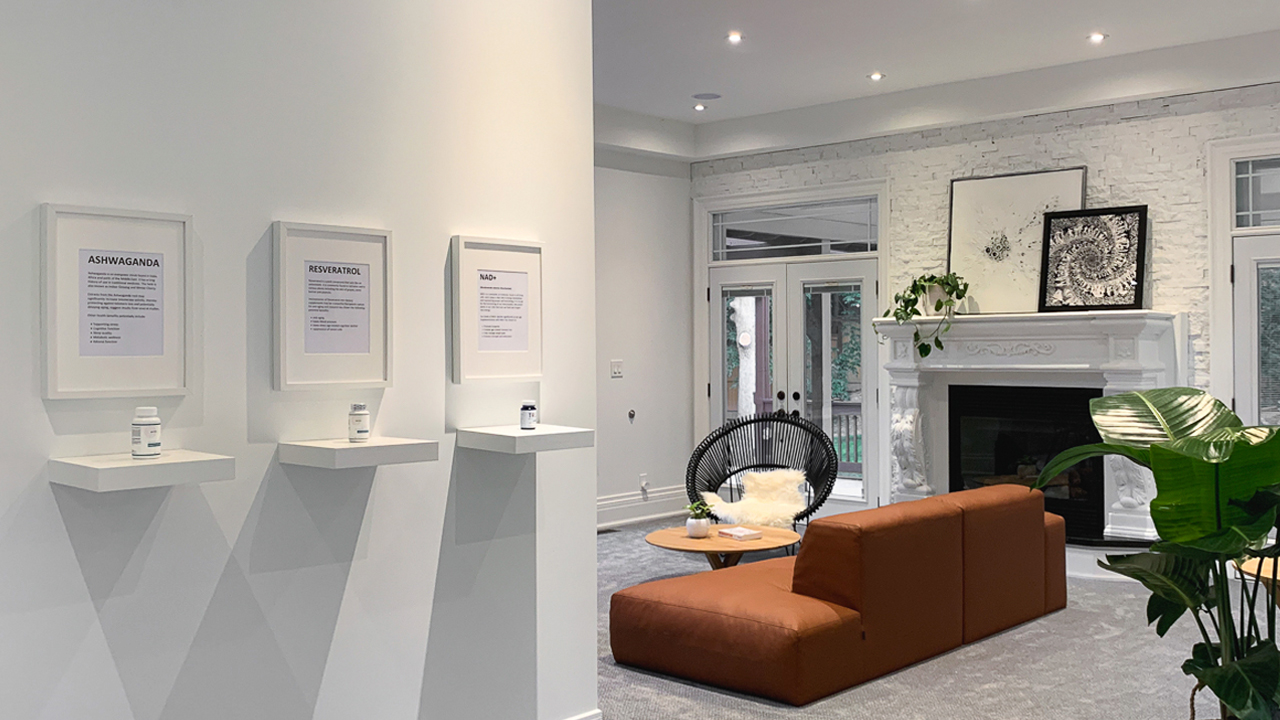
That’s the premise behind Longevity House, a new 9,000 square foot ultra-exclusive club in west Toronto purporting to extend members’ lives by increasing their “healthspans,” letting them not only live until 120, but do so in good health. Their premise: when it comes to aging, the actual number of years we end up living means nothing if there is no quality of life attached to those years.

When we think about aging, thoughts of an inevitable life of grey hair, aching backs, mobility devices and other limitations (both physical and psychological) likely come to mind. But for Longevity House, the goal is providing members with the tools for boosting health to a point of “biohacking,” which in its simplest terms comes down to “hacking” your own body in pursuit of above-average physical and mental gain, leading to a longer, healthier life.

The price tag for such a big promise? A cool $100,000 – and only 30 members will be accepted. If you’re already shaking your head in confusion, you’re likely not alone. But for Longevity House founder Michael Nguyen, the concept of increasing healthspans is not only becoming more and more possible – it might actually benefit the greater good.

“Working to extend life is an ethical cause,” he says. “If we can help people to live healthfully until the end of life, we’ll transform the world completely.”

He adds that for most people, health starts gradually diminishing in the last 15 years of life with the onset of chronic conditions like arthritis, neurodegeneration and diabetes. “If we could eliminate such diseases of aging, we would take billions of costs away from the healthcare system,” he says.

Toronto’s Nguyen is an entrepreneur originally from the fashion and retail industry, where he founded Garrison Bespoke and even dressed some famous faces, including Drake, Ryan Gosling and Lebron James.

His focus now, though, is on enhancing human performance. In terms of what he’s most excited about when it comes to Longevity House, it’s the chance to bring more awareness to healthspan extension, including research into interventions, medicines and influencing the global narrative around the concept. “The pursuit of a healthy, vibrant and active life is the greatest gift we can give ourselves.”

With the $100,000 membership fee, Longevity House members will be able to attend monthly workshops and have access to top practitioners in biohacking, plant medicine, epigenetics, breathwork and functional medicine. The facility brings together wellness practitioners and cutting-edge technology, much of it only available in Canada at Longevity House, to help members live longer and better lives. Some of these include electric muscle stimulation, red light therapy and AI-driven cardio.


Nguyen explains that when it comes to red light therapy for example, one of the best natural sources of healthspan extension is exposure to sunlight, but not everyone is able to access natural sunlight regularly, so red-light therapy aims to help at a cellular level, simulating the healing power of the body.

He also cites the bio-charger, a technology used at Longevity House that “human performance pioneer” Tony Robbins has been using for years. The system uses a mixture of light, voltage, frequencies and harmonics and pulsed electro-magnetic fields to increase energy, focus and mental clarity, he explains.

When asked about what goes into grabbing a spot on the exclusive Longevity House membership list above and beyond the down payment-sized price tag (for example, age limits or concerns around pre-existing conditions), Nguyen will only say that for now, he and his team are looking to curate their initial list of founding members.

If it sounds a bit like members act as guinea pigs for the club, you might be right. “We want to ensure the club has the ideal mix of individuals who can further our research and raise awareness around healthspans,” Nguyen explains. “We currently have a list of members within Canada; however, we are taking applications at this time.”

But it looks like prospective members will be heavily vetted, and it’s likely those approved for membership will have a vested interest in biohacking themselves.

It remains to be seen whether the longevity-boosting technologies like those available at Longevity House will become accessible to those of us who don’t have a spare $100,000 lying around, but for now, start saving your pennies (or selling off grandma’s heirloom jewellery).

In addition to the west Toronto location, Nguyen and the Longevity House team plan to open a midtown location at Yonge and Eglinton this fall, with locations in New York City and Miami planned for 2022.

This Leslieville family business offers organic coffee and vintage finds all in one place

0
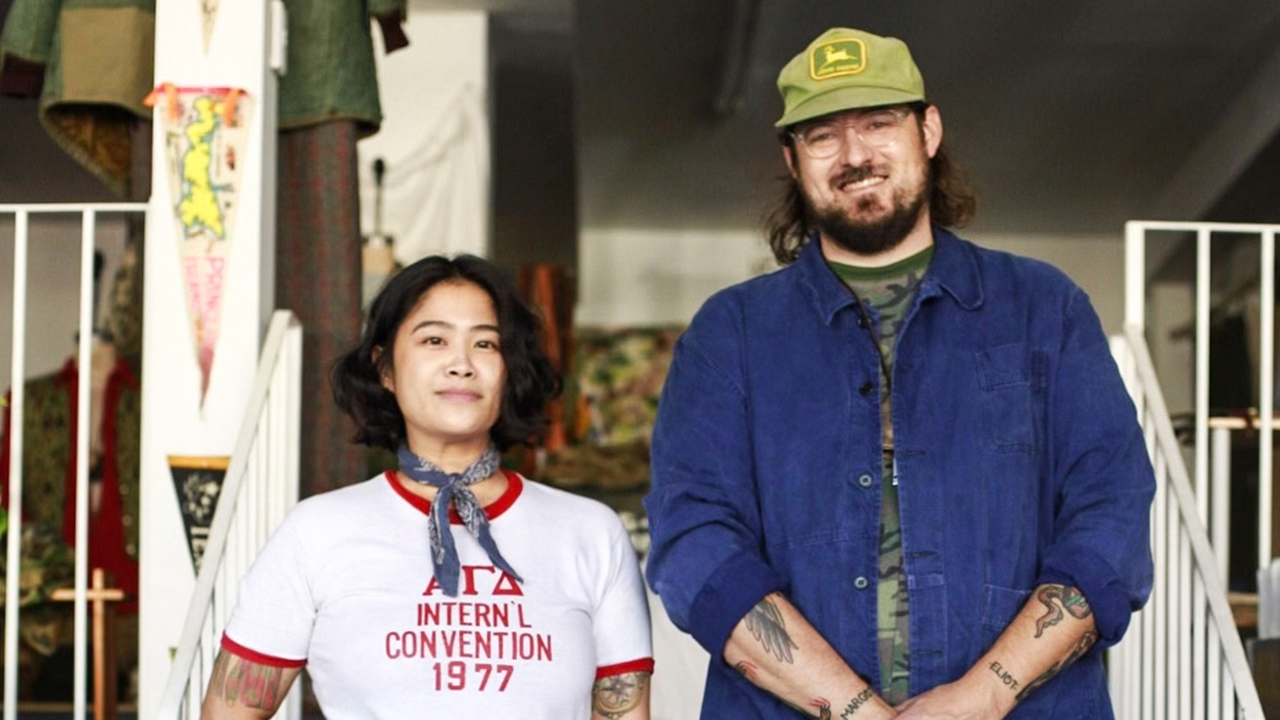
Jen and Matt Schachtebeck. @coffeeandclothing

Some may say that the story of Coffee and Clothing started in Oakland, where Jen and Matt Schachtebeck first had the idea to open their own vintage store. Others may claim that the story of Coffee and Clothing began in South Korea, where Gabby Ondrade and Zoe Sylvester learned how to properly roast coffee beans. Ultimately, our story begins here, in Toronto, where sisters Jen and Gabby grew up. Born here, but soon transplanted to Florida and then later San Francisco, the Ondrade sisters’ roots are what led them back here.

Coffee and Clothing started off as just clothing: the Schachtebecks had been mulling over the idea of starting a clothing store when they were still living in Oakland, working over the years in corporate retail positions. “We moved [to Toronto] with the plan to open a store,” Matt says. They visited Jen and Gabby’s parents, who lived in the city at the time and ran a burger restaurant, and that kind of sealed the deal. Upon returning to Oakland, they packed up and shipped out.

Gabby Ondrade and Zoe Sylvester. @coffeeandclothing

Coffee and Clothing also started off as just coffee: Ondrade and Sylvester were living in South Korea and travelling throughout Asia in their spare time. “We were really drawn to coffee. First of all, from everything we learned in Asia about roasting, but also the community aspect of it,” Ondrade says. As they packed up their life in Asia, ready to move to Toronto, they wanted to open a café where they’d be able to use their newfound roasting skills and emulate the welcoming atmosphere that they found so enticing. One of the goals of Coffee and Clothing was that they wanted to “make it feel like you’re just walking into your friend’s house,” she says.

After returning to Canada from Asia, Ondrade and Sylvester crashed at the Schachtebecks’ place. During their stay, they all realized they wanted to open a store in some capacity, so the natural follow-up question was, Why not open one together? The rest, as they say, is history.

Well, not quite.

@coffeeandclothing

Since they’ve been open at 348 Pape Ave. for close to three years now, they’ve spent most of that time in COVID. The pandemic forced them to build an online presence, creating a sleek website and an Instagram page that boasts over 10,000 followers. Though they weren’t looking to expand, a second location at 841 Gerrard. St. fell into their laps just a few months ago. A block away from the original store, they were able to incorporate more interior space, allowing them to seat people indoors when winter rolls around in the coming months. “It’s also nice having the café as well, because we could keep the café open. So it also helped with pickups and clothing orders,” Matt says. “Everything was happening sort of organically.”

@coffeeandclothing

Organically. That’s how you could describe most of what happens at Coffee and Clothing both physically and figuratively. The blends they roast and sell are all fairtrade and organic, while the bond they have makes managing Coffee and Clothing a relatively smooth process. “I mean, we knew each other pretty well, so it was never hard to find a role,” Sylvester says. You would think four people running a business would cause a clash of competing interests, but with a genuine understanding of each other, it’s really not that difficult, and as Ondrade emphasizes: “It kind of just happened organically.”

@coffeeandclothing

The same goes for the cohesiveness of their brand. When you scroll through their website, the clothing all gives a similar vibe: casual, classic, and comfortable. The same kind of care goes into their blog posts, which covers a range of topics from behind the scenes of editorial photoshoots to The History of Rayon. They’ve also collaborated with local director Brandon Gordon to make a series of short films featuring intimate portraits of a collection of subjects with Toronto as a romantic backdrop – romantic in the sense that it’s beautiful and handled with care. I ask if building brand uniformity is at all difficult. “Um, it’s not,” Jen says with a laugh. “Honestly, it’s not really something we like to think too hard about. We know these people and think they’re cool.We have a really cool dude that we’re working with who makes these films with us and has a great vision.  I think it’s just the people behind it.”

These days, there’s a fatalism that permeates our discussions of climate change. The world is burning and I can’t do anything about it. Sure, I can stop using plastic straws, but massive corporations are still going to pump tonnes of greenhouse gases into the atmosphere, so why do I matter? In broaching the subject of sustainability – one of the core tenets of Coffee and Clothing – the founders approach it with optimism.

Jen emphasizes the importance of “just being aware of what you’re buying and the quality of it.” There’s an urgency to her tone, one that is often missing when this issue is discussed in our day-to-day, or online. “One of the easiest things you can do to help when it comes to global warming and sustainability is just being aware of where you spend your money, especially when it comes to clothing,” Matt says.

The group is comfortable with their two-store set up as of right now, but that doesn’t mean that expansion isn’t in their future. “It’s nice that there’s so much potential but you can pretty much do anything,” Matt says. Riffing off of each other, Jen chimes in, “Our little heart’s desire.” A chorus of laughter erupts on the other end of the line, all four co-owners in agreement.

This restaurant is Toronto’s go-to for Nigerian take-out with a twist

0
The Benue

The Benue is Toronto’s latest Nigerian takeout restaurant that combines traditional African cuisine with some signature twists.

Before opening The Benue, husband-and-wife duo Josette and David Boyo saw the need for African cuisine in the downtown area.

“We knew there was a need for Nigerian food, and not just because of the high population of Nigerian people,” says Josette, “but because people downtown really like to explore and venture to try new foods. So, we knew that would work in this area.”

Jollof and turkey. Jollof is a rice dish that uses spices, tomatoes, and smoky flavours.

Though the Boyos are new to the restaurant industry, they are joined by Chef Abisola Ayinla who grew up learning to cook traditional Nigerian cuisine from her mother.

Customers are loving the authentic plantain which is sliced and deep fried to golden perfection and can be paired with the party jollof rice. Other fried favourites on the menu include turkey and goat meat.

Fried plantain deep-fried to golden perfection.

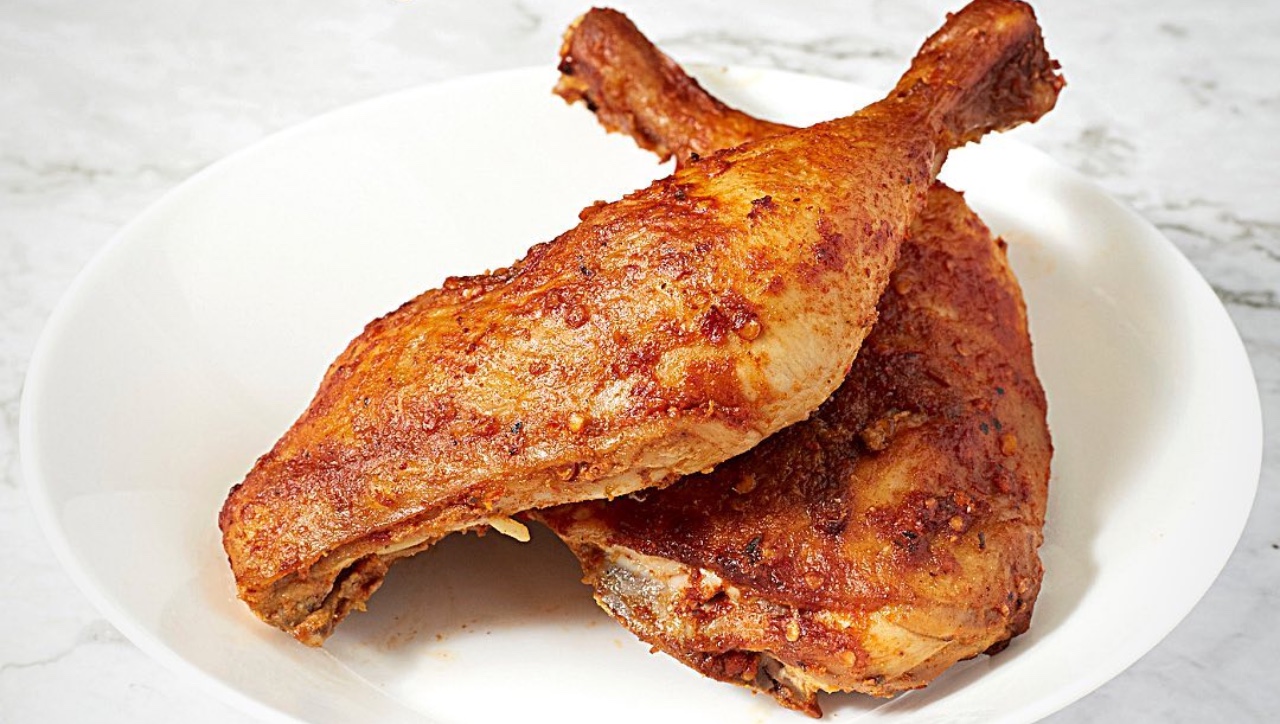
According to Boyo, the signature BBQ chicken is also very popular, though, she points out, it’s not traditionally Nigerian. Instead, The Benue’s take on the dish includes slow-roasting the chicken and coating it in a juicy secret sauce.

BBQ Chicken, slow-roasted and smothered with The Benue’s tasty secret sauce.

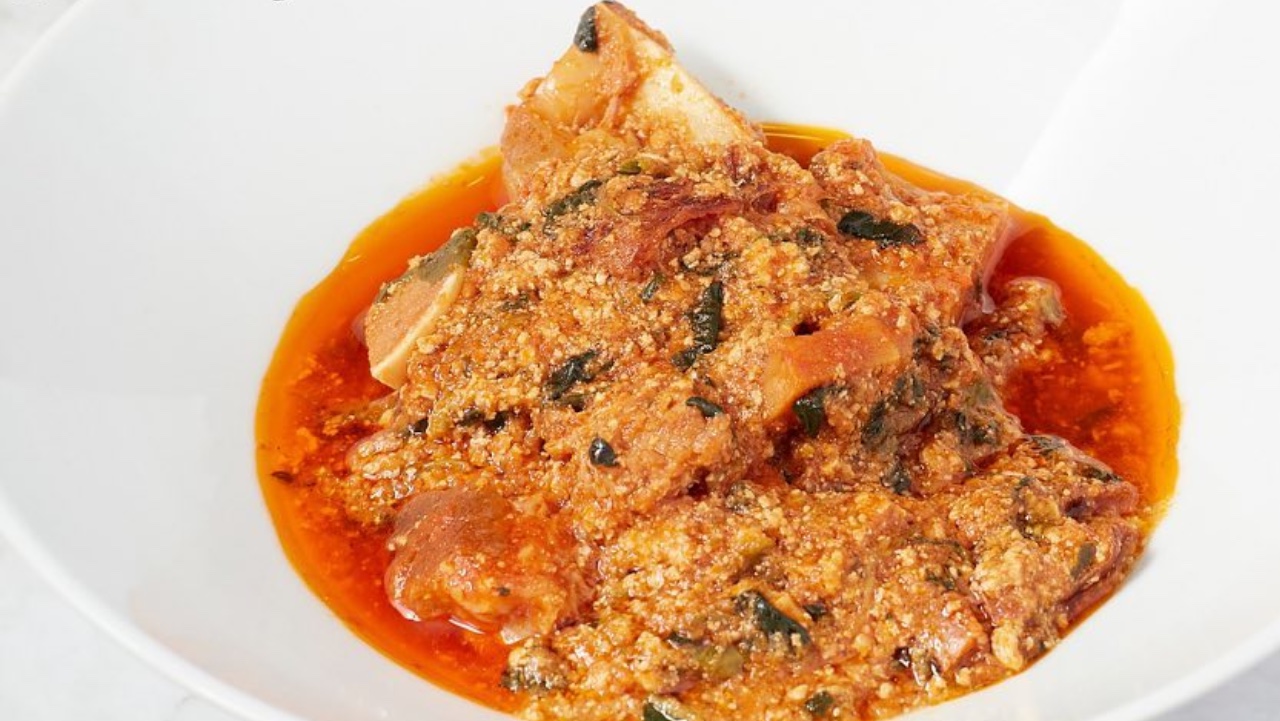
As for soups, which are very common in Nigerian cuisine, egusi and efo-riro are both popular menu items. The egusi is a stew made with crushed melon seeds, spinach, assorted meats, and palm oil, while the efo-riro has a green base with palm oil, fermented locust beans and assorted beefs.

Egusi is a savoury stew of crushed melon seeds, greens, and palm oil ( served with assorted meat).

“All of our soups are very traditional. Egusi and efo are staple soups in Nigerian cuisine,” says Boyo.

The Benue got its name from the province known as the “bread basket” of Nigeria, due to its rich agricultural produce including yams, beans, rice and sweet potatoes.

“So, we thought it was fitting to name the restaurant after the food-basket province of Nigeria.”

The Benue is located in Davenport at 440 Christie Street and is open Monday and Tuesday from 3 to 10 p.m., Wednesday and Thursday from 12 to 10 p.m., and Friday and Saturday from 12 p.m. to 12 a.m.

Orders are available for walk-in, pick up or delivery through SkipTheDishes, Uber Eats, and DoorDash.

Toronto was just named as a possible expansion site for a new NFL team

0
NFL Buffalo Bills
Buffalo Bills Facebook

During an interview on an American sports talk radio show, an NFL insider name-dropped Toronto as the possible site of an NFL team should the league decide on expansion.

The idea of an NFL team in the city has long been the subject of intense speculation, but the same stumbling blocks always got in the way including a massive new stadium that would invariably require government support in addition to the conflict with the Canadian Football League and the fact that an individual, not a corporation such as Rogers or Bell, would need to step up to pay an expansion fee that could top $1.5 billion.

The last time the NFL expanded was in 2002 when the Houston Texans came on board. Back then, the expansion fee was already $700 million.

Still, in typical Canadian fashion, we appreciate just being mentioned. And in doing so, it set off a wave of social media banter between those for and against an NFL team in Toronto.

Comments suggest a new NFL-ready stadium would add another billion dollars or more to the price tag. In addition, suggestions that the Rogers Centre could be torn down to accommodate the NFL were dashed once it was understood that the stadium put in real dirt to satisfy Toronto Blue Jays demands, and previous attempts to combine baseball and the NFL have been unsuccessful.

Of course, not everyone was on side with the idea of a Canadian NFL team, let alone a team in the United Kingdom, which was also suggested.

The city got a taste of American football almost a decade ago when, on a half-dozen occasions, the Buffalo Bills would play a home game at the Rogers Centre. The last of this series was in 2013 when the Atlanta Falcons defeated the Bills in overtime in front of almost 40,000 fans. And, given the proximity to Buffalo, NFL fans from the area often head to Ralph Wilson Stadium across the border to attend games.

Still, if you’re heading to Buffalo for a game to check out that NFL vibe, here are a few more things to do while in town. It might be a while before the NFL ever gets to Toronto.

You can get a shirt with Masai Ujiri’s own handwriting from his new collection

0
HarryRosen.com

The holiday season is right around the corner and this year you can give more than just a good gift. For its second consecutive year, Canadian menswear retail giant, Harry Rosen, has developed a capsule collection in partnership with Toronto Raptors Vice-Chairman and President Masai Ujiri and Toronto-based luxury designer Patrick Assaraf. When you purchase an item from the line, aptly named the 2021 Humanity Capsule, a portion of the proceeds will be donated to community partner Water First Education & Training Inc., an internship program that provides certified water treatment plant operator training for Indigenous youth.

This comes at a crucial time when Indigenous issues have been at the forefront, following discoveries of multiple mass burial sites near former residential schools across Canada. This news has reignited the conversation surrounding Canada’s long and ugly history of colonization and cultural genocide against Indigenous communities, which has caused ongoing systematic effects, like boil water advisories that mean thousands of people don’t have access to clean, safe drinking water.

“Absolutely everyone should have sustainable access to safe, clean water,” said John Millar, Executive Director and Founder of Water First. “This support from Harry Rosen and Masai is a critical investment in Indigenous youth and communities that will help solve water challenges independently, and in the long-term.”

The 2.0 capsule collaboration features 10 athleisure pieces including matching sweat suits in tie-dye patterns and cozy fleece, elevating your work-from-home looks. Shoppers can also pick up t-shirts and full-zip merino sweaters boasting the Humanity logo (featuring Ujiri’s own handwriting).

Ujiri founded the That’s Humanity movement back in 2020, a non-profit organization that’s behind the art installation now at Maple Leaf Square Garden.


“The #ThatsHumanity movement is meant to challenge all of us to seek out and embrace the things that make us human,” said Ujiri. “Inspired by Nelson Mandela’s fight for equality for all people, it is expressed through stories, shared experiences and art—all of which is represented here in the beauty of fashion.”

He’s also the founder of Giants of Africa (GOA), which uses basketball to educate and enrich the lives of African youth.

You can get your hands on the collection’s pieces in-store and online beginning early December, but don’t wait – the collection is expected to sell out.

In an effort to continue elevating underrepresented designers, the capsule items will join shelves that also feature lines from up-and-coming BIPOC designers Bohten and Aller Retour.

7 U.S. weekend getaway destinations you should visit now that you can

0
Sam Burriss/Unsplash

While we’ve been able to fly wherever we wanted, traversing the land border into the U.S. has still been unreachable. That’s finally changed recently, as the Canada-U.S. border reopened on Nov. 8 to fully vaccinated travellers. Time to grab your proof of vaccination, pack your van and take advantage of a long awaited loosened restrictions before the snow blows in.

Ellicottville, New York (2 Hours, 30 Minutes)


This one’s for the outdoors lovers who are looking for something to do in the colder months and enjoy hikes, kayaking and skiing. HoliMont is America’s largest private ski resort open to the public on Fridays — so try taking your long weekend drive on Thursday. Spend the weekend going through Griffis Sculpture Park, Holiday Valley’s Sky High Adventure Park and end off your days with an impressively approachable beer menu at Ellicottville Brewing Company. They also have Sugartown Farms to get a little alpaca love in! If Muskoka’s your usual haunt, this is a great alternative south of the border.

Rochester, New York (2 Hours, 40 Minutes)

Rochester is a city filled with civil rights history. It’s home to the women’s suffrage movement and served as the last stop on the Underground Railroad for enslaved people seeking freedom before heading to Canada. Take a walk through the Heritage Trail, Mount Hope Cemetery and be sure to visit the Susan B. Anthony Square Park to see the renowned “Let’s Have A Tea” statue. If you’re looking for museums, check out the National Women’s Hall of Fame. Just because you’re getting an escape doesn’t mean you can’t learn something along the way.

Buffalo, New York (1 Hour, 40 Minutes)


Buffalo gets a bad rep, but as one of the closest “major” American cities closest to Toronto, it’s positioned to be an easy cross-border destination for anyone looking for a quick getaway. It boasts some stunning architecture, like the Darwin D. Martin House or Theodore Roosevelt Inaugural National Historic Site, and beautiful waterfronts, like Canalside and Buffalo and Erie County Naval & Military Park. If you’re looking for a quick escape from Canada, this is the place to do it. If anything, do it for the chicken wings!

Detroit, Michigan (4 Hours)


Listen, we were tired of New York State too, so we’ll hit up the next closest state — Michigan. Detroit is a great city to visit that’s filled with a lot of culture. Check out the Motown Museum for a bit of funk, or take in some art at the Detroit Institute of Art or the beautiful outdoor art space created by The Heidelberg Project. There are also plenty of walking spots from Belle Isle Park, the Detroit RiverFront and the Eastern Market. It’s Rock City™, so roll on over.

Cleveland, Ohio (4 Hours, 30 Minutes)


Yes, Detroit is Rock City™, but Cleveland has the actual Rock and Roll Hall of Fame so… who really holds the title? There’s also plenty of culture to experience in Cleveland outside of the Hall of Fame, like the Cleveland Museum of Art, the Cleveland Museum of Natural History and the house from A Christmas Story they converted into a museum. There’s also the Cleveland Botanical Garden, Cleveland Metroparks and Rocky River Reservation for those looking for a bit of outdoor fun.

Pittsburgh, Pennsylvania (4 Hours, 50 Minutes)


Pittsburgh may seem like a left-field choice, but it boasts a lot of accolades as a tourist city — especially for families. The Andy Warhol Museum is a fixture of the city that showcases the artist’s work in his hometown. The Carnegies have a stranglehold on the museum scene, with a Carnegie Museum of Art and Natural History, as well as a Science Center. After all that walking, take a seat in a century-old cable car and get the best view of Pittsburgh from the Duquesne Incline. Pittsburgh also has the best bagels in America… New York is shaking.

Lake Placid, New York (5 Hours, 50 Minutes)


You thought we were done with New York, did you? Well, we can’t move on until we discuss the breath-taking landscapes of Lake Placid. From Mirror Lake to Mount Jo; the Brewster Peninsula Trails and Cobble Hill. The six hour drive is well worth it to experience these outdoor locations for yourself. You can also check out the Lake Placid Olympic Sites and take part in some Olympic-level ski jumping, ice skating and even try your hand at the sport of luge. It’s truly a wonderful place and with so much natural beauty, you’ll never want to travel to a city again!

City votes to make the CaféTO program permanent in Toronto

0
CaféTO patio

CaféTO is considered by many to be one of the best public space initiatives to come out of the pandemic, and helped many restaurants survive through a very dismal period. Now, the Toronto city council has just voted to approve a plan that will see the program become a permanent fixture.

“CaféTO is good for restaurants and residents. The CaféTO program has helped more than 1,200 restaurants and main streets across the city and provided millions of dollars in support for the restaurant industry throughout the pandemic,” said Mayor John Tory, in a statement. “This successful program supports operators, protects jobs, and creates vibrancy. It’s one of many important initiatives I’m proud we have put into place and I know it will help Toronto come back from the pandemic stronger than ever, while also providing much-needed support to local businesses for years to come.”

The CaféTO 2022 and Beyond staff report was adopted by the city council by a vote of 23-2 with only councillors Stephen Holyday and Michael Ford voting against it.

Approximately 500 restaurants city-wide have permanent permits for sidewalk cafés. This year, 429 more were added through CaféTO.

Making the program permanent gives city restaurants and cafés clarity going forward with expanding outdoor dining options, something that the industry was asking for, including Eataly Canada’s managing director Nico Dagnino, who wrote a letter to the city on the issue asking for a longer-term approach.

Dagnino proposed making CaféTO a more permanent fixture in the city by extending the program five years and expanding locations. He wrote that the benefit to the city is a blooming café culture found in some of the best cities around the world.

“We are witnessing a city with a café culture and open-air program rivaling other cities where Eataly has opened its doors, such as Rome, Paris, London, and New York City,” he wrote. “As citizens and visitors to these cities cannot imagine life without an outdoor café experience, Toronto is setting expectations that daily life must include high-quality outdoor hospitality experiences.”

According to the city, CaféTO curb lane (on-street) cafés will return in 2022, under similar guidelines and requirements from the 2021 program, and all application, transfer and with today’s City Council vote all permit fees for curb lane, sidewalk cafés, and public parklets will be waived next year. Registration will open early in the new year and installation will start as soon as May.

A new registration process is on the way for permanent CaféTO locations, which the city hopes to make fast and streamlined so restaurant operators only need to apply once. Existing locations can remain in place until April 14, 2022.

According to the findings of a public survey by the city, 91 per cent of those responding showed “overwhelming support for the program.”

Two friends just opened a bottle shop that offers themed tastings of beer and wine

0

While the pandemic has certainly not been an easy time for many businesses in Toronto, one positive side is seeing how many exceptional and original business ideas have blossomed from the changing trends in consumer demands.

Roncesvalle’s new wine and beer bar, Bossanova, is one such business. Longtime friends Ben Plisky-Somers and Dan Grant took the chance at being able to sell alcohol out the door, which they wouldn’t have been able to do two years ago.

“With alcohol deemed an essential service,” says Grant, who had started a business just weeks before pandemic restrictions shut it down, “and as something I’ve been passionate about a long time, having the opportunity to work with a really good friend to build something fun and unique was just too good to pass up.”

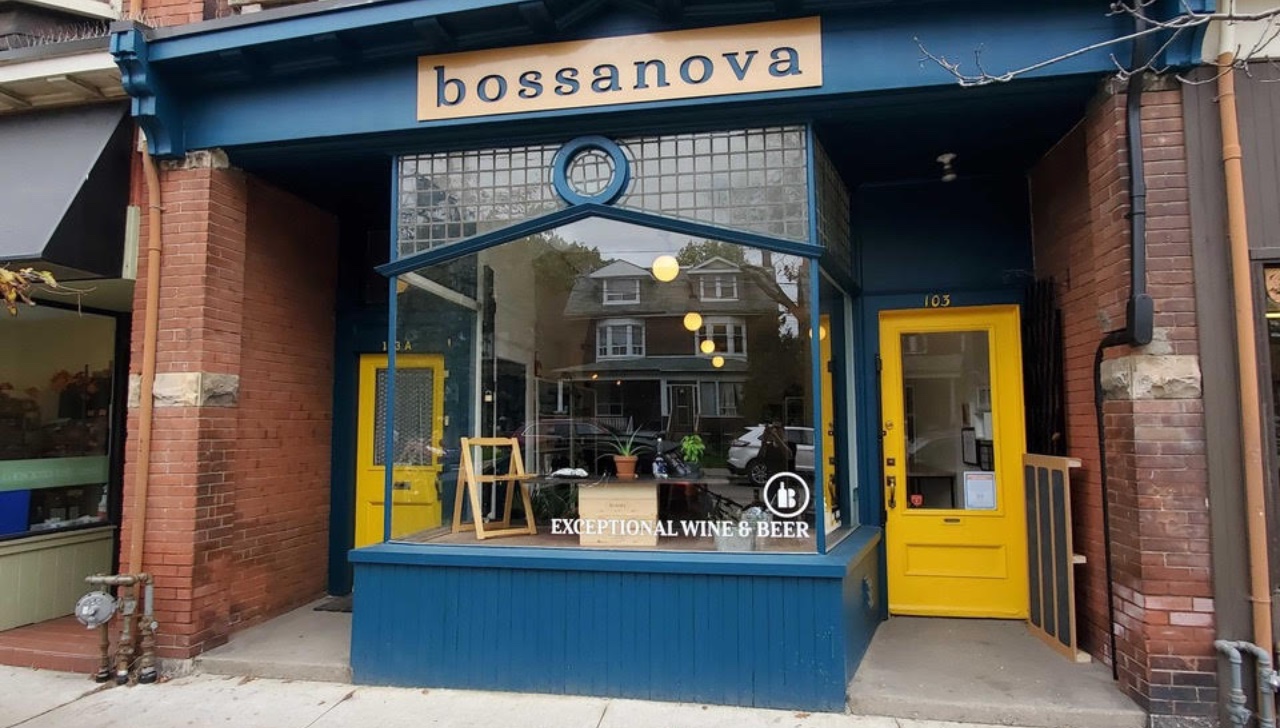
With Plisky-Somers as the wine expert and Grant as the beer expert, Bossanova’s original concept formed. The shop opened Nov. 6 in an eighty-year-old building with tin ceilings. It’s not easy to miss with its bright yellow doors and a blue awning that welcomes customers inside, where shelves are well-stocked stocked with beers from Belgium to Ontario.

“I put a big focus on the more playful and inventive styles the brewers are doing, so there’s a lot of stuff that’s wine-influenced or barrel-aged or fruit-infused,” says Grant, adding that Bossanova additionally offers Ontario classics like a German Pilsner or an IPA. “It’s a little bit of everything.”

As for wine, Plisky-Somers is careful to stock the shop with ones that are organic, biodynamic, or sustainable. “We’re really looking to work with the small agencies based in Ontario that represent small-volume winemakers that really care about their farming and what they put into the bottles.”

What makes this bottle shop so unique is that in the back of the shop, Bossanova has a tasting counter. Every couple of days, the duo change up the selections with three or four beers and wines that follow a certain theme, like wine-influenced beer or wine from a certain region. These can be served as a glass or in flights.

“It’s just really fun and gives us an opportunity to really connect with people and enable people to go outside the box to try different things that they might not ordinarily experience,” says Grant.

If you’re getting flashbacks to the nineties while thinking about Bossanova, that’s because it’s named after the third album from American rock band, the Pixies. While this might seem like an arbitrary name for a bottle shop, it’s a testament to Grant and Plisky-Somer’s friendship.

“We started to really think about what other influences really shaped our lives,” says Plisky-Somers, “and we’re both huge fans of Pixies. When they first reformed about fifteen years ago, we went to the concert together and it’s one of our favourite albums. So, it was a pretty quick and easy decision.”

Bossanova Wine and Beer Bar is located at 103 Roncesvalles Ave. You can stop by for a glass of wine, or grab a bottle to go Tuesday to Saturday from 11 a.m. to 7 p.m. and on Sundays from 11 a.m. to 5 p.m.

How to ensure your charitable giving goes a very long way

0
nicola

Even after we’ve reached the point of financial independence—when we’ve accumulated sufficient wealth to cover our family’s needs for the rest of our lives—we may still practice smart money management. We may steward our wealth so as to maximize returns while minimizing risk as well as fees and taxes. That’s how we got here; why change now?

People tend to be less conscientious, however, when it comes to giving wealth away. We’ll respond, often generously, when a person or charity we know and trust makes the ask. But we don’t necessarily think through how to maximize the impact of our donations. The fact of the matter is how you give can be just as important to the outcome as how much you give, says Ron Haik, a senior financial advisor with Nicola Wealth in Toronto.

Would you believe it could be possible to contribute $100,000 to a charity of your choice at a net cost to you of less than $10,000? Residents of Ontario can, Haik insists, but before we get into exactly how, you need a better understanding of giving strategically—both now and after your passing.

Consider that, when you die, there will be three possible beneficiaries of your estate: your family, your designated charities and government. If you could choose two of the three to receive all your wealth, what would they be? Virtually no one chooses government.

As an old Morgan Stanley slogan goes, “You must pay taxes. But there’s no law that says you gotta leave a tip.”

CUTTING THE TAXMAN’S TAKE

So how can you keep from leaving money on the table? One way is the strategic use of life insurance. Consider two high earners, Mr. Brown and Ms. Smith. Both are 50 years old, with earnings of $750,000 per year. Mr. Brown takes his annual savings of $250,000 and plows it into a corporate investment account. Ms. Smith splits hers between investments and a participating whole life insurance policy.

Now consider what hap- pens should either of these individuals die upon retirement at age 70. The corporate assets are subject to multiple levels of taxation paid both by the estate and the beneficiaries. But Ms. Smith’s estate receives a tax-efficient death benefit that brings her beneficiaries some five times what Mr. Brown left behind.

This is not to say every high net-worth individual should follow Ms. Smith’s example. Each person will have their own priorities and they won’t all be about the bottom line. That’s why it’s important to work with your advisor to develop an integrated financial plan that incorporates not only retirement saving but tax planning, succession planning for your business if you have one, estate planning and charitable giving, so that “all of these things are moving in tandem,” Haik says.

There are multiple ways you can leave a gift to a family member or charity. You can leave a bequest in your will for a fixed amount or a percentage of the estate to be given to a particular beneficiary. Or you can list a charity directly as the beneficiary of your RRSP or RRIF account or life insurance policy.

If the charities you support are unaccustomed to non-cash donations, or you just want more of a say in how the monies get spent, consider creating a private charitable foundation. Any registered charity can set up a donor-advised fund for you with guidelines of your choosing. Some specialize in this. Nicola Wealth offers clients the opportunity to set up their own fund within its Private Giving Foundation at no cost to either the donor or the recipients—they absorb the administration costs. It’s all part of the firm’s belief in doing well to do good, and vice versa.

DONATIONS IN KIND

Another way to reduce the tax take is to give assets in kind rather than cash. Say you bought stocks years ago for $10,000 that are now worth $50,000. If you sell them to raise the cash for your donation, the sum will be whittled down by the capital-gains tax you must pay. But if you give the securities themselves, there’s no capital gain, no tax paid and you still get a tax receipt for the full $50,000 amount. “This is a better outcome from the client’s perspective and from the charity’s perspective,” Haik says.

This brings us back to the challenge of make a donation for a certain dollar amount at a fraction of the cost. The strategy involves buying flow-through shares in a junior mining or energy company that takes advantage of the Canadian Exploration Expense tax credit from the federal government as well as a similar incentive from the Ontario government. The donor then donates shares to a charity, which promptly sells them to a pre-arranged third party. The charity gets the full value of the shares while the donor gets to claim investment tax credits in addition to charitable donation credits that reduce their taxes on other income. A purchase of about $422,000 of flow through shares ends up costing the donor $9,950 after all tax credits and cash received back upon the sale of those shares. This net amount includes a donation to the charity of $100,000.

This arrangement will not suit every donor, but it gives you a glimpse of the possibilities when you combine the expertise of your accountant and financial advisor to harmonize your financial plan and leverage your giving to greatest effect. You’ve worked too hard to let your legacy get diminished now and after you’re gone.

This material contains the current opinions of the author and such opinions are subject to change without notice. This material is distributed for informational purposes only. Forecasts, estimates, and certain information contained herein are based upon proprietary research and should not be considered as investment advice or a recommendation of any particular security, strategy or investment product. Nicola Wealth is registered as a Portfolio Manager, Exempt Market Dealer and Investment Fund Manager with the required provincial securities commissions.

One of the city’s most sophisticated coffee parlours just opened an uptown emporium

0
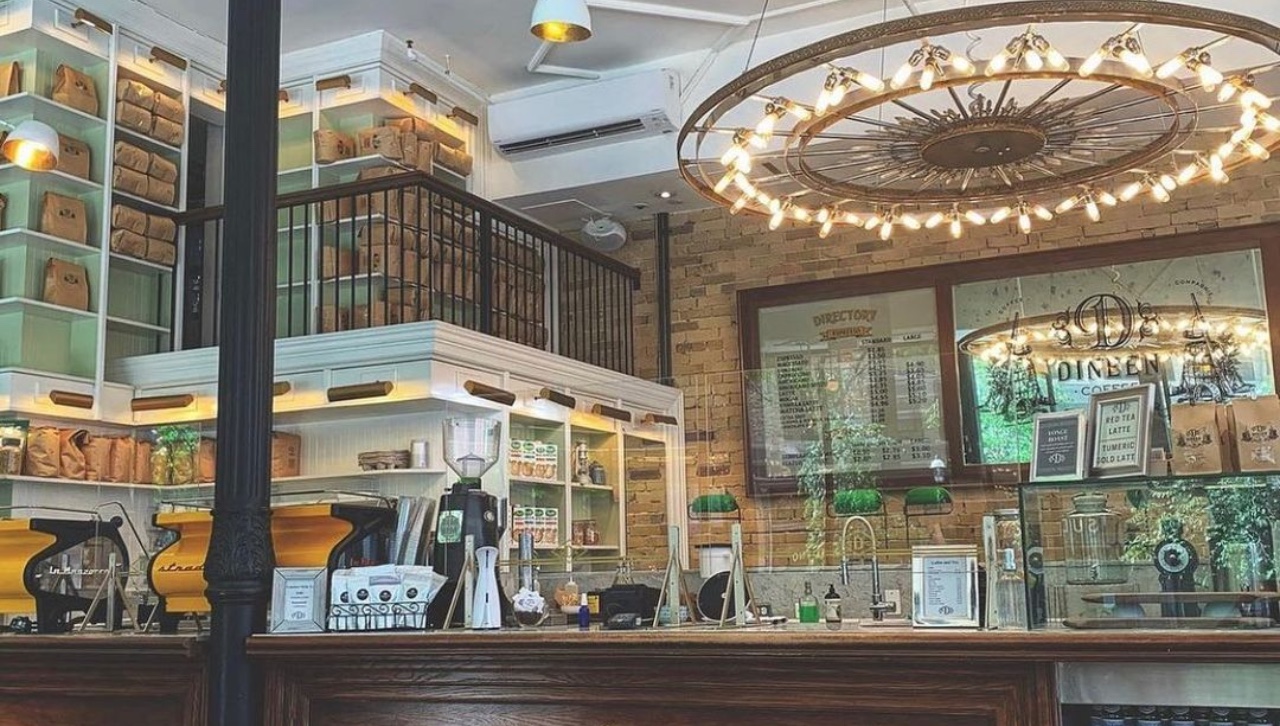
Dineen

One of the city’s favourite boutique coffee shops has found a home in North York.

Dineen officially opened on Nov. 8 at 311 York Mills Rd., replacing a former Second Cup that previously occupied the space.

For those who frequent Toronto’s downtown core, the Dineen name is likely familiar, as the brand has been a staple at Yonge Street and Temperance Street since the spring of 2013, when the company opened its first of now four locations in the city.

Dineen Coffee Co.’s original location, which can be found at 140 Yonge. St.

Set inside the historic and charming Dineen Building, which originally opened in 1897, Dineen Coffee Co. quickly evolved into a go-to spot for rich espresso-based beverages and sweet and savoury pastries, like warm, freshly-baked croissants and rich, chocolatey brownies, as well as lunch items like a rotating menu of made-to-order sandwiches.

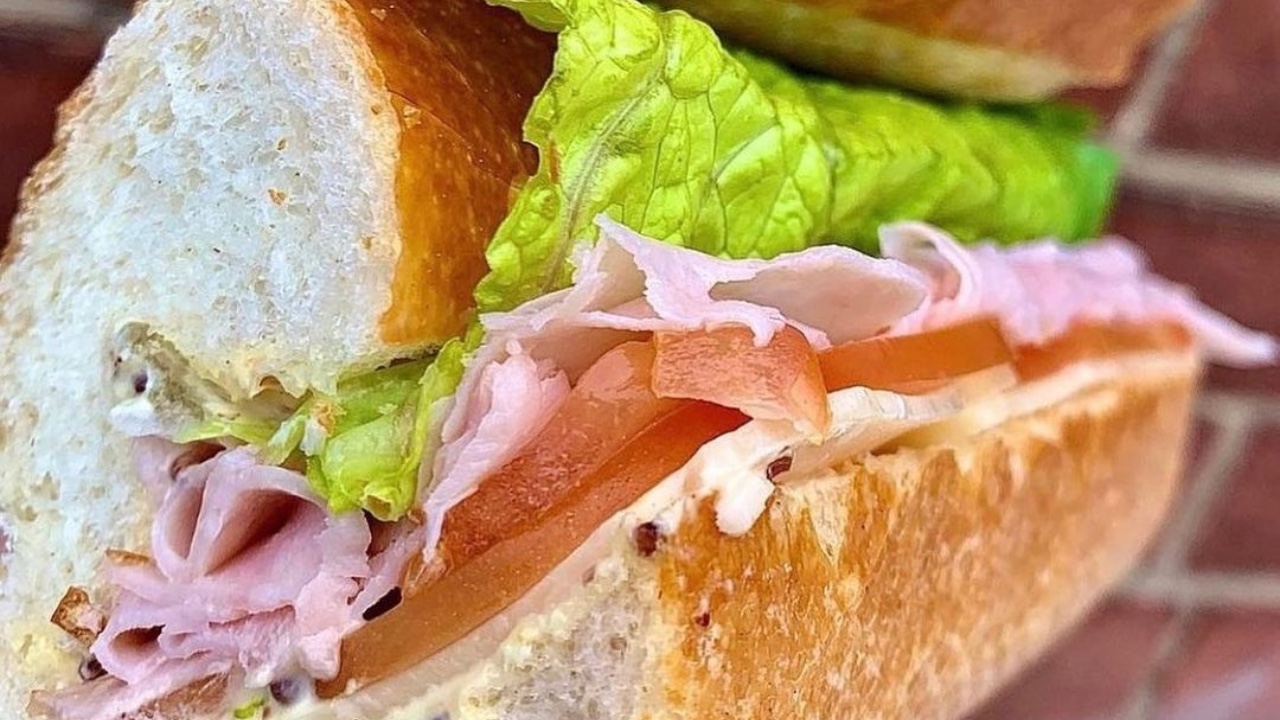
Dineen’s sandwich options include the classic Ham & Swiss.

Dineen currently has three other storefronts in the city, which include the original Dineen Coffee Co. (140 Yonge St.), Dineen Commerce Court (199 Bay St.), and Dineen Outpost (1042 Gerrard St. East).

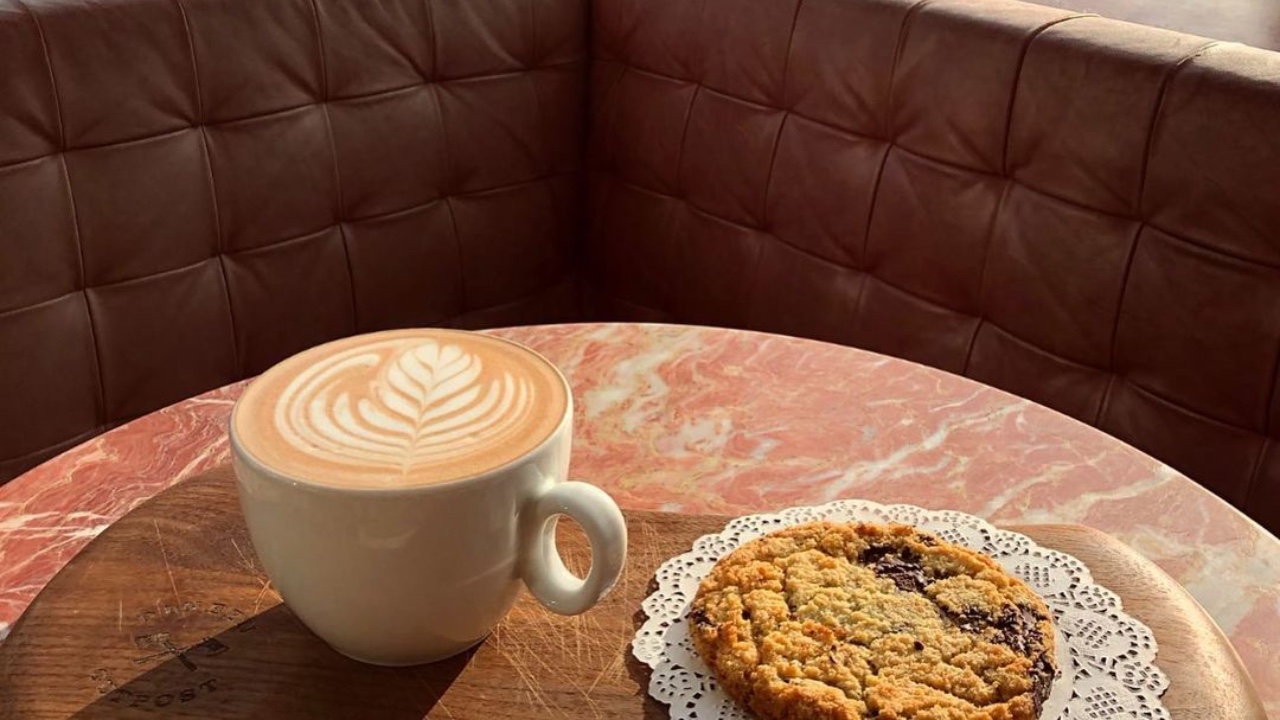
Dineen’s New York Mills location will include all of the classic espresso-based drinks and goodies, like cookies.

The newest location will feature all of the same favourites as its sister locations, but is also working on providing a floral delivery service, which is something that has been previously offered at the Outpost location.

Dineen’s York Mills location is open seven days a week, 7:30 a.m. to 4 p.m.

This winter festival features a beautiful tunnel with 100 feet of colourful lights

0
Winterfest tunnel
Winterfest tunnel

It’s beginning to look a lot like Christmas! Well, maybe not with the summer weather we’ve been having lately, but Canada’s Wonderland is sure to get you in the holiday spirit with the return of WinterFest this weekend.

Beginning Nov. 13, WinterFest returns bigger than before with more live entertainment, millions of holiday lights, festive treats, themed areas, and artisan markets. New this year, the immersive event will include the Northern Starlight in the themed North Pole area. Guests can visit a magical land worthy of a Hallmark movie with a tunnel covered in 100 feet of colourful LED lights.

With over 40 attractions being offered, visitors are sure to find fun for the whole family. Strap on your ice skates and glide along the frozen Snowflake Lake in a winter wonderland surrounded by bright lights in the iconic Wonder Mountain, or join in on a holiday singalong with Charlie Brown and friends at the PEANUTS Guide to Christmas.

What would a winter festival be without ice skating?

Be sure not to miss out on the stunning nightly tree-lighting ceremony on International Street. Decorated with thousands of lights and ornaments, this 50-foot tree stands tall as the WinterFest’s main attraction.

The little elves in the family will have the opportunity to get pictures with St. Nick, pick a tree at Charlie Brown’s Lot, write wish lists at the North Pole Post Office, and help Mrs. Claus decorate cookies. And, of course, Wonderland wouldn’t be Wonderland without the amusement rides, including favourites like Flying Canoes, Peanuts 500, and Swing of the Century.

Festive treat options that can be found at WinterFest include poutine, the candy cane café, funnel cakes, hot chocolate, and milk and cookies. And parents can prepare themselves for the holidays with mulled wine and hot cider in the ice wine garden,  The Naughty Elf bar, and The Jingle Bar.

WinterFest is running on select dates from Nov. 13 until Dec. 31. Reserved ticket times are required as well as proof of full vaccination for visitors over the age of 12 years old.

These are some of the coolest things you can order at MIMI Chinese

0
MIMI Chinese

MIMI Chinese is the brick-and-mortar sister restaurant to wildly popular pop-up Sunny’s Chinese. With tables almost completely booked into mid-December, the new Yorkville restaurant is already proving to be equally as buzzworthy as Sunny’s (which is also set to get its own permanent location in the spring of next year). 

The concept behind MIMI Chinese had been in the works for several years, according to chef and co-owner David Schwartz. When the pandemic put their spring 2020 launch plans on hold, Schwartz and his team, including Braden Chong and Keith Siu, like many restauranteurs, pivoted to takeout and launched Sunny’s Chinese instead.

“MIMI Chinese is all about the theatre of dining and it didn’t really feel right to open it starting off as a takeout concept, so we set up Sunny’s with a different name,” explains Schwartz.

MIMI Chinese toronto

Like Sunny’s, MIMI Chinese shines the spotlight on regional Chinese cuisine, while drawing inspiration from American Chinese and Cantonese restaurants for its old-school ambiance. With servers dressed in starched white dress shirts and numerous dishes finished tableside, MIMI Chinese aims to channel the vibe of a retro steakhouse, according to Schwartz. These formal, showy elements are playfully juxtaposed with a distinctly modern menu and an unpretentious atmosphere.

The Food

Many dishes from Sunny’s pop-up have made their way onto the menu at MIMI Chinese. Schwartz and his partners are passionate about highlighting the origins of each dish and educating diners about the diversity of regional Chinese cuisine. 

“On our menu, after each dish, it shows the province of inspiration, which is something that’s really important to us,” says Schwartz. “We want to start a conversation and have people engage.”

MIMI Chinese food

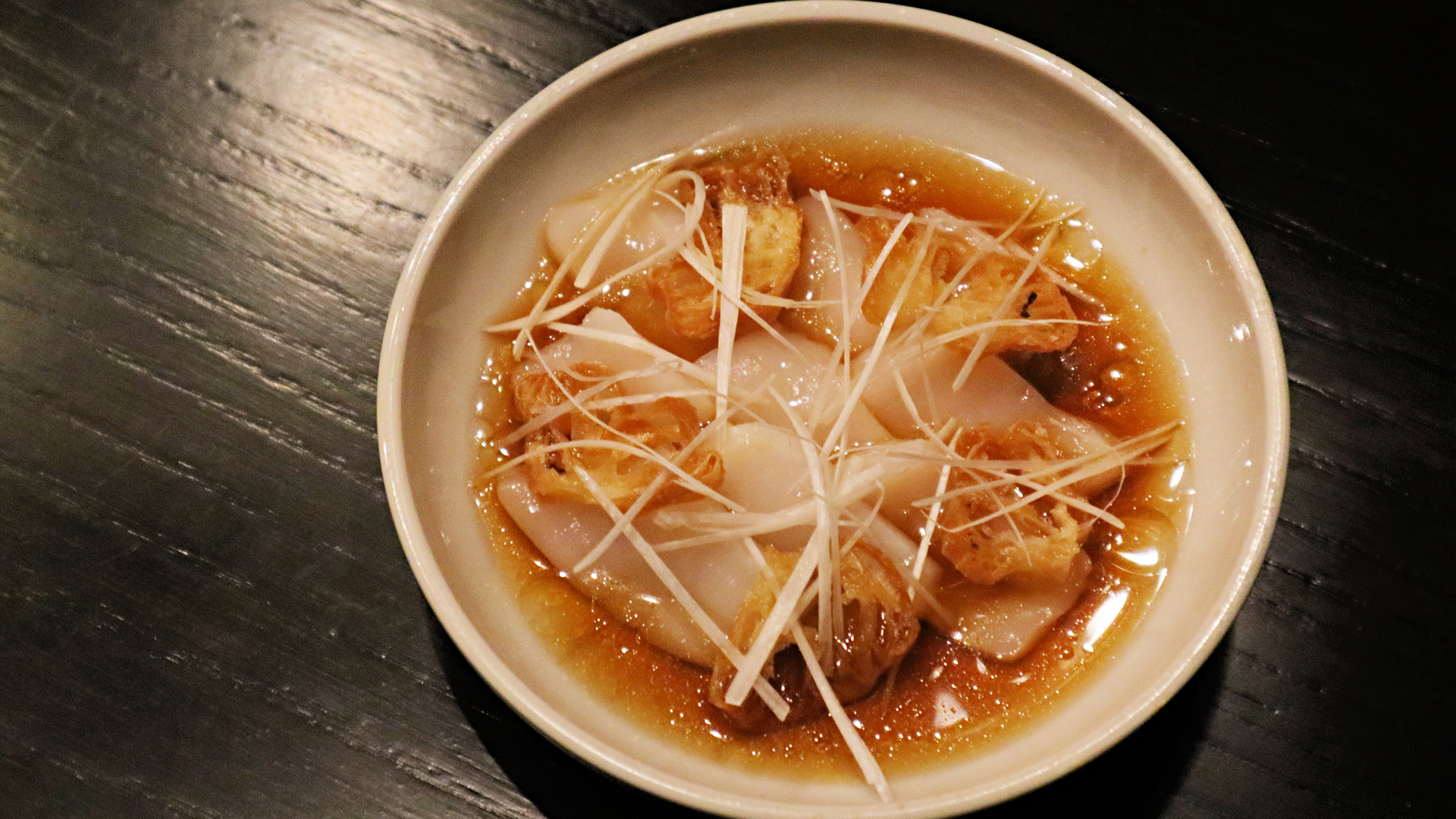
The Scallion & Ginger Scallop features cured and quick-blanched scallop slices served in a savoury soy broth with hunks of fried Chinese donut.

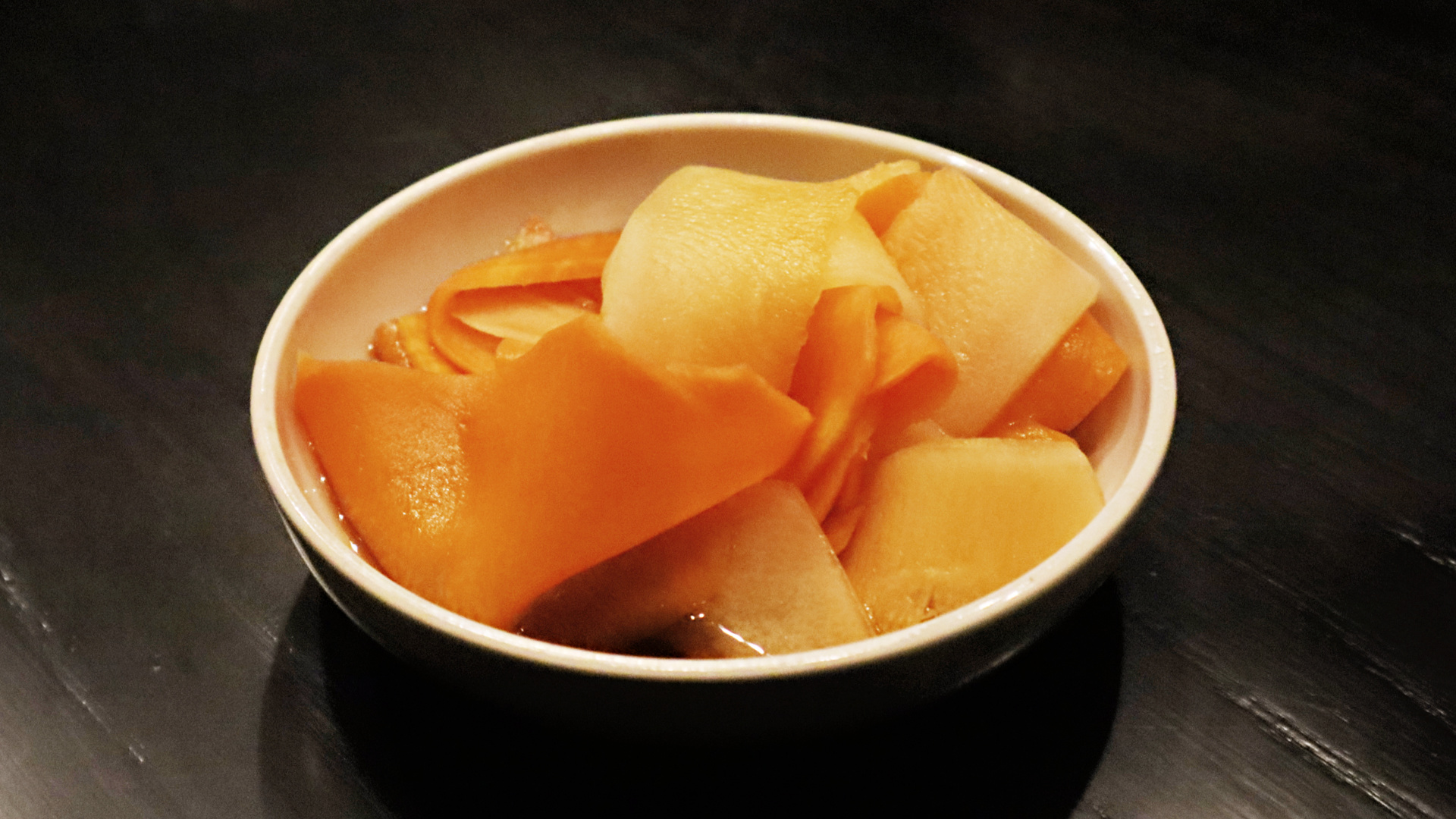
Pumpkin & Snow Melon

The Pumpkin & Snow Melon is served chilled. “In Chinese food culture, you’ll often find fruit on the table before, during and after a meal,” says Schwartz. “It’s a really great way to balance out all of the intensity and the salinity and everything else that’s going on at the table.”

MIMI Chinese food

The Stir Fried Gai Lan is flavoured with a Hong Kong-style chili shrimp oil and oyster sauce, then finished with housemade fermented mustard green.

MIMI Chinese food

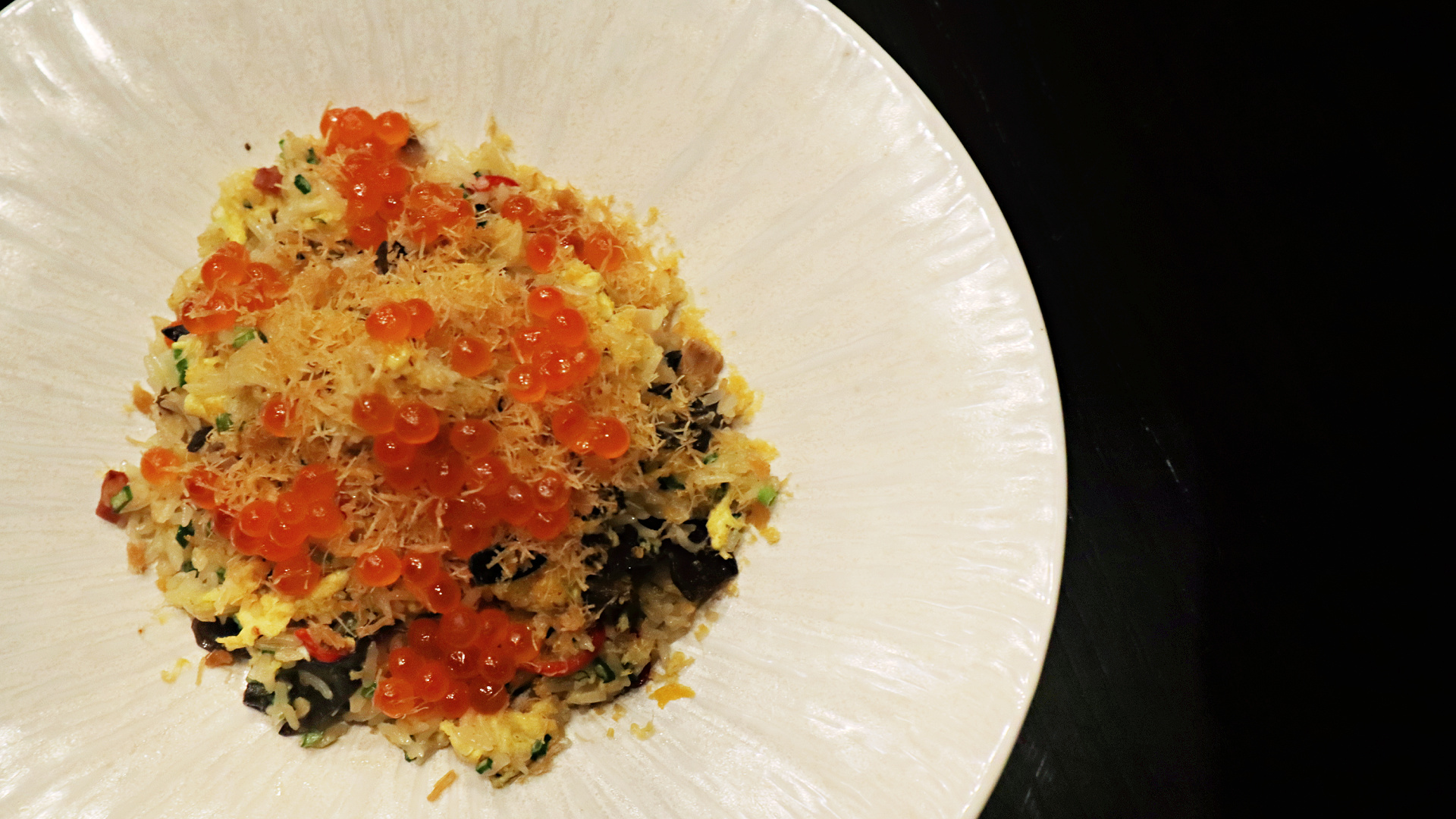
The Supreme Fried Rice with salted egg and lap cheong (Chinese sausage) can be topped with fresh salmon roe for an extra charge.

Stir Fried Gai Lan

The Stir Fried Rice Rolls are tossed with white truffle and three kinds of soy sauce.

MIMI Chinese food

The artfully-plated Hunan Chili Sea Bass House is seasoned with housemade fermented chilies, Fujian wine and flowering chive.

MIMI Chinese food

The show-stopping Four Foot Belt Noodle, true to its name, stretches out to a full four feet. It’s cut into more bite-sized pieces at the table.

mimi chinese

The sweet Sticky Rice Cake features salted egg york custard in the centre.

The Drinks

Chinese ingredients are at the heart of the cocktail menu, which includes many bevies that riff on classic drink recipes.

MIMI Chinese drinks

The Mimi Manhattan, for example, puts a spin on the traditional whisky cocktail by adding Cantonese rice wine to the usual rye and Italian vermouth combo. 

MIMI Chinese drinks

The Bet It All on Red pairs housemade ginseng bitter, red bean and ginger with reposado tequila. 

MIMI Chinese drinks

The Jungle Panda brings a Tiki-style twist to baijiu, a Chinese spirit, by blending it with rum, elderflower and Campari.

MIMI Chinese also features an impressive sake list, including barrel-aged varieties and magnum-sized bottles ideal for sharing at the table. “We wanted the funkier sakes because they’re more robust and able to hold up to the food better than sakes that are super subtle,” says Schwartz. “It’s unique to find sake like this being paired with food other than high-end omakase or Japanese food. But all through China, there are restaurants like ours that pair sake with their food.”

Contrasting with the funky sake list, the wine menu is a little more classic. “Like our food menu, the wine menu is multi-regional,” says Schwartz. Bottles span from local vintages to wines from Italy and New Zealand. “It’s more about what works with the foods regardless of where it’s coming from,” says Schwartz.

The Space

MIMI Chinese’s dark, moody space takes a cue from classic steakhouses. “We’re not a steakhouse per se, but in terms of the style of service and the formatting of the menu, we want it to feel old-school. It’s a big thing in Canadian Chinese and American Chinese food culture  — the steakhouse meets Cantonese restaurant,” says Schwartz. 

MIMI Chinese interior

There’s a neon-accented bar near the entrance, while diners can catch glimpses into a partially-open kitchen towards the rear of the dining room. With red booths popping against ink-black walls, MIMI Chinese creates an immersive experience. 

MIMI Chinese drinks

“It’s almost like a casino. There are no windows so when you walk in, you lose a sense of reality. You don’t know what day it is or what time it is,” says Schwartz. “It’s about experience and theatre and having fun when you go out to eat dinner.”

Words and photos by Jessica Huras